

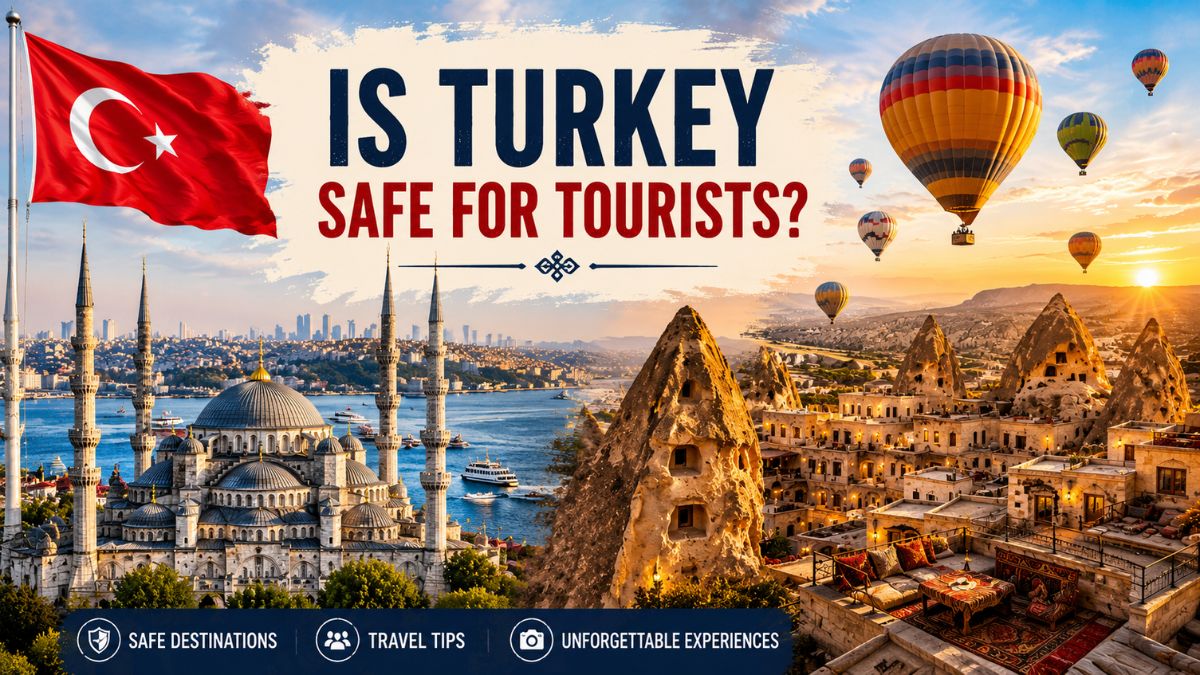
Every year, millions of people search the same question before planning their vacation: Is Turkey Safe for Tourists? It is a fair thing to wonder. Turkey sits at the crossroads of Europe and Asia, sharing borders with countries that regularly make the evening news. But the headlines and the reality on the ground are two very different things, and if you want an honest answer rather than a vague, hedged non-reply, you have come to the right place.
The short answer is yes, Turkey is generally safe for tourists, and tens of millions of visitors travel there without any problems each year. In fact, when people ask, “Is Turkey Safe for Tourists?”, the answer depends largely on where they go, how they travel, and whether they follow basic safety precautions.
But like any destination, the full picture is more nuanced than a simple yes or no. This guide will help you understand whether Turkey is safe for tourists, covering everything from regional safety and common scams to cultural norms, transportation, solo travel concerns, and practical tips that actually make a difference.
The Big Picture: How Turkey Compares to Other Popular Destinations
People ask if Turkey is safe for tourists as if Turkey were some uniquely risky outlier but statistically, that assumption does not hold up well. Turkey welcomes over 50 million international visitors a year, making it one of the most visited countries on the planet. Countries like France, Spain, and Italy, all considered completely safe by most travelers, have their own share of pickpocketing, petty crime, and occasional political tension. Turkey is no different in that sense.
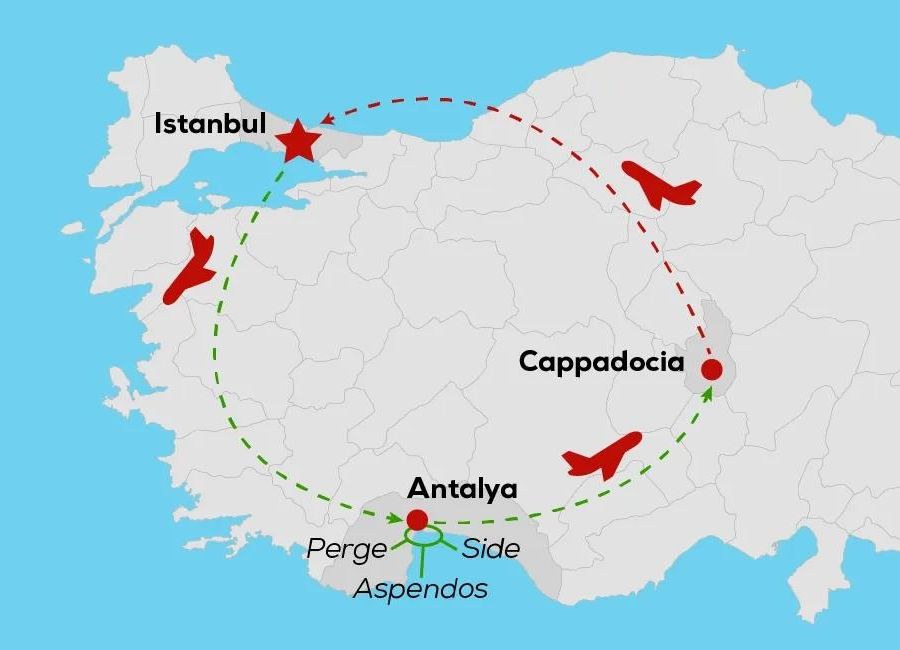
Major tourist hubs like Istanbul, Cappadocia, Pamukkale, the Aegean coast, and Antalya have well-developed tourism infrastructure and a strong incentive to keep visitors safe. Tourism is a massive part of Turkey’s economy, and local communities, businesses, and the government all understand what is at stake when something goes wrong. This is one of the key reasons why Turkey is safe for tourists visiting the country’s most popular destinations.
That said, is Turkey safe for tourists in every corner of the country? Not equally so. The southeastern regions near the Syrian and Iraqi borders carry genuine risk and are routinely flagged by foreign governments in their official travel advisories. The distinction matters.
Region by Region: Where Is Turkey Safe for Tourists?
Istanbul
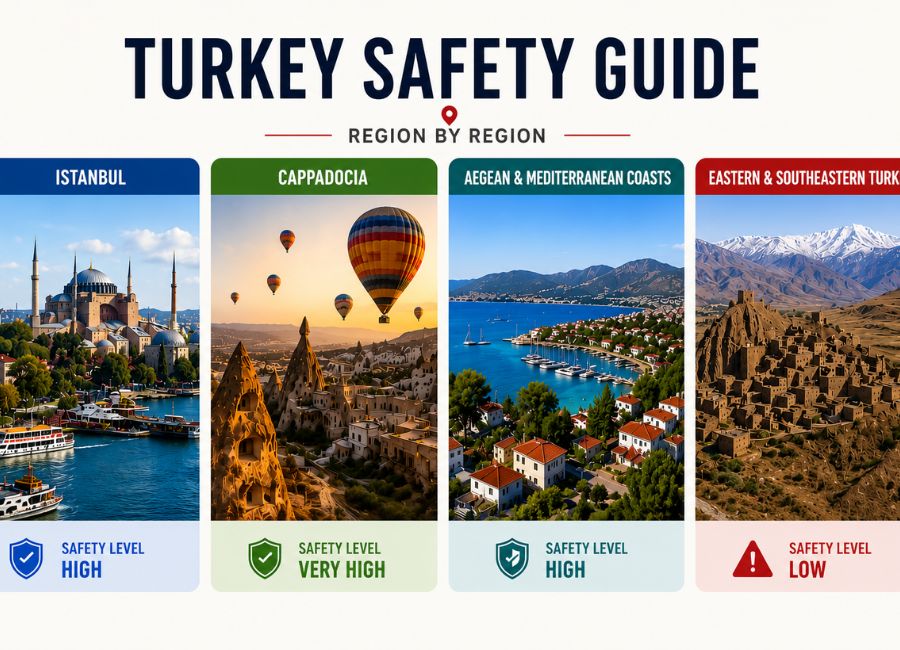
Istanbul is one of the most visited cities in the world and is broadly safe for tourists. In fact, for many travelers wondering, “Is Turkey Safe for Tourists?”, Istanbul is often the place that changes their perception. The areas around Sultanahmet, Beyoglu, Kadikoy, and Besiktas are well-patrolled, well-lit, and full of other travelers.
Petty theft and tourist scams exist more on those below but violent crime against tourists is uncommon. Most visitors leave Istanbul raving about it, not scared by it. If you are asking whether Turkey is safe for tourists, Istanbul is one of the strongest examples of the country’s visitor-friendly environment.Visitors spending a few days in the city should also explore the bestthings to do in Istanbul, from historic mosques and bazaars to Bosphorus cruises.
Cappadocia
Cappadocia with its hot air balloons, fairy chimneys, and underground cities is one of the safest and most enchanting destinations in all of Turkey. It is quiet, tourist-friendly, and almost entirely focused on the visitor economy. If you are wondering if Turkey is safe for tourists who prefer more relaxed, off-the-hustle travel, Cappadocia is your answer.
Aegean and Mediterranean Coasts
The Turquoise Coast stretching from Bodrum and Marmaris through Fethiye, Kas, and Antalya is extremely popular with European tourists and is considered very safe. Resorts here are built around tourism and families travel there every summer with no issues.
Eastern and Southeastern Turkey
This is where the picture changes. Provinces close to the Syrian and Iraqi borders areas like Sirnak, Hakkari, and parts of Diyarbakir carry elevated risk due to historical conflict, ongoing military operations, and the proximity of unstable borders. Most Western governments advise against all but essential travel to these areas. If your itinerary takes you to southeastern Turkey, research carefully and monitor your government’s official travel advisory before you go.
Common Scams and How to Avoid Them
This is probably the most practical part of understanding why Turkey is safe for tourists in day-to-day terms. Turkey does not have a violent crime problem in its main tourist areas, but it does have a well-documented scam ecosystem targeting visitors, especially in Istanbul.
The Shoe Shine Drop
A shoe shiner drops a brush near you, you pick it up, and suddenly you owe him for a full shine. The best response is simple: ignore the brush and keep walking.
The Friendly Local Bar Invitation
A friendly man on the street invites you for a drink with his friends. You end up at a bar where inflated bills and aggressive staff become your problem. Politely decline and walk away from unsolicited invitations to unknown venues.
Taxi Overcharging
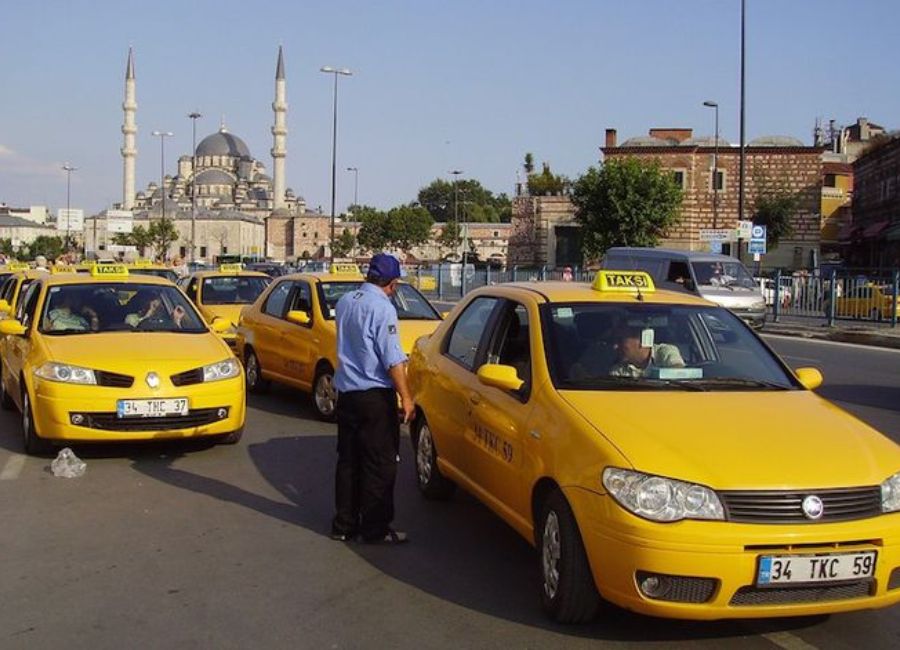
Unlicensed taxis or drivers who claim the meter is broken are common near airports and tourist hotspots. Use the BiTaksi app whenever possible or insist that the meter is running before the journey begins.
Carpet Shop Time Wasting
You may be offered tea and shown beautiful carpets in local shops. This is not dangerous just be clear and assertive if you do not intend to buy. Turkish salespeople are often skilled negotiators, but they generally respect a firm decision.
For many travelers asking, “Is Turkey Safe for Tourists?”, these scams are far more likely to be encountered than any serious safety issue. Knowing these common situations is a big part of understanding how Turkey is safe for tourists in practice: staying safe is usually about awareness and street smarts rather than personal security concerns.
Is Turkey Safe for Solo Female Travelers?
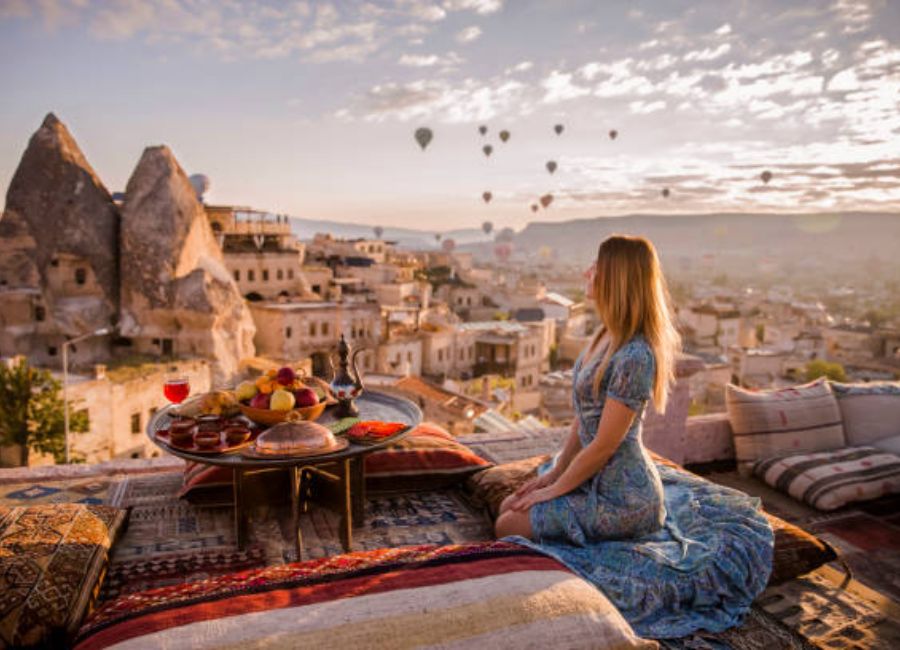
Thousands of women travel solo to Turkey every year and have wonderful experiences. But Is Turkey Safe for Tourists who are women traveling alone? The honest answer requires some nuance.
In coastal resorts, Istanbul’s international neighborhoods, and Cappadocia, solo female travelers generally report feeling comfortable. When asking Is Turkey Safe for Tourists, it is important to remember that experiences can vary by region. In more conservative inland cities and rural areas, unwanted attention can be more frequent not violent, but persistent. Dressing modestly (covering shoulders and knees when visiting mosques or more traditional neighborhoods) tends to reduce this significantly.
Practical steps that help: stay in well-reviewed accommodation, share your itinerary with someone back home, avoid walking alone late at night in unfamiliar areas, and trust your gut. The same advice that applies in any major city in the world applies in Turkey. For most visitors wondering Is Turkey Safe for Tourists, these simple precautions can make a big difference.
Overall, Is Turkey Safe for Tourists traveling alone as women? Many solo travelers have positive experiences when they stay aware of their surroundings and follow common-sense safety practices.
Health and Medical Safety for Tourists

When travelers ask Is Turkey Safe for Tourists, they often focus on crime and miss a practical category: health. Turkey has a functional healthcare system with good private hospitals in major cities like Istanbul, Ankara, and Izmir. Medical care quality can vary significantly in rural areas, so comprehensive travel insurance including medical evacuation cover is strongly recommended.
Health considerations are an important part of answering the question, Is Turkey Safe for Tourists. Tap water in Turkey is technically treated, but most locals and experienced travelers avoid drinking it directly. Stick to bottled water. Street food is generally fine. The çay (tea), simit (sesame bread rings), and fresh lahmacun are highlights of any visit but use common sense about hygiene at market stalls.
Another factor to consider when asking Is Turkey Safe for Tourists is the climate. The summer heat in southern Turkey can be intense. Choosing the best time to visit Turkey can help you avoid extreme summer temperatures and enjoy more comfortable sightseeing conditions. Dehydration and sunstroke are real risks for tourists unaccustomed to the climate, especially those doing long archaeological site tours at Ephesus or Hierapolis in July and August.
Overall, Is Turkey Safe for Tourists from a health perspective? With basic precautions regarding water, food hygiene, travel insurance, and summer heat, most visitors travel without major issues.
Transport Safety in Turkey
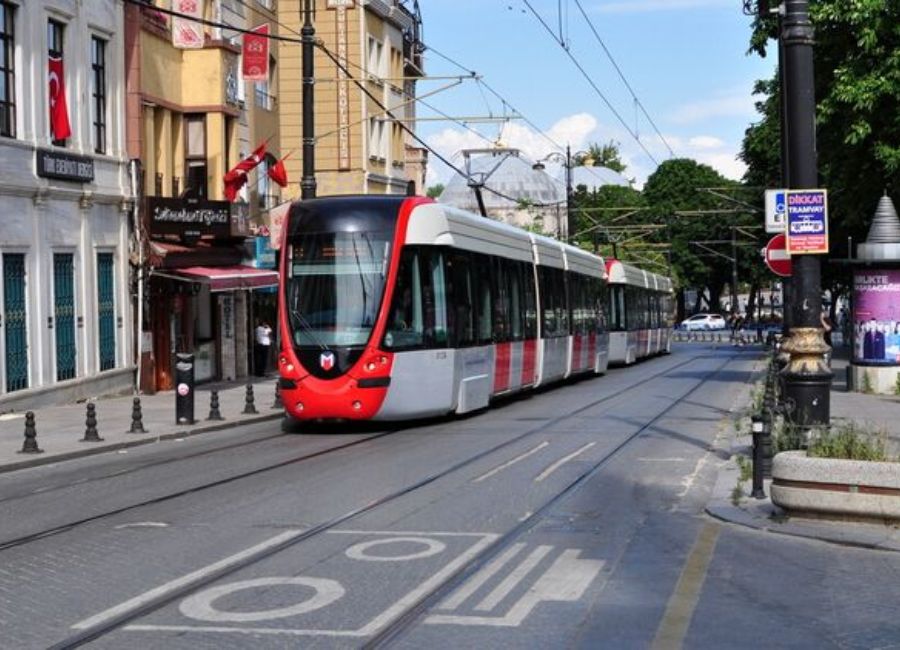
Getting around Turkey is generally straightforward. For travelers wondering Is Turkey Safe for Tourists, transportation is rarely a major concern. Domestic flights are plentiful and reasonably priced. Turkish Airlines and Pegasus Airlines both have solid safety records. Long-distance buses (from companies like Metro Turizm and Kamil Koç) are comfortable and well-used by both locals and budget travelers.
Transportation safety is an important part of answering the question, Is Turkey Safe for Tourists. Road travel is the area where caution is warranted. Turkish driving culture is assertive, overtaking on mountain roads is common, and road fatality rates are higher than in Western Europe. If you rent a car, drive defensively and avoid long night drives on unfamiliar routes.
For those asking Is Turkey Safe for Tourists in major cities, city transport in Istanbul is modern and safe. The metro, tram, and ferry network are widely used by locals and visitors alike. Use the Istanbulkart for all public transit and avoid unlicensed water taxis unless you know exactly what you are getting into.
Overall, is Turkey safe for tourists when it comes to transportation? With normal precautions on the roads and when using licensed services, most travelers move around the country safely and efficiently.
Cultural Norms That Keep You Out of Trouble
Part of the answer to Turkey being safe for tourists comes down to respecting the culture you are in. Turkey is a majority Muslim country with a secular government, and the balance between religious tradition and modern cosmopolitan life looks different depending on where you are.
Key cultural points worth knowing:
• Remove shoes before entering mosques and cover your head (women) and shoulders and knees (all genders).
• Avoid public displays of affection in conservative neighborhoods or smaller towns.
• During Ramadan, eating, drinking, or smoking in public during daylight hours in traditional areas may draw disapproval though this is rarely enforced against tourists.
• Criticizing the Turkish state, Atatürk, or the Turkish flag in public is technically illegal and has led to charges against foreigners in rare cases. Keep political opinions private.
• Bargaining is normal in bazaars and expected but aggressive haggling in regular shops is considered rude.
None of these make Turkey unsafe; they just make you a more aware and respectful visitor, which tends to make every trip smoother.
What Government Travel Advisories Actually Say
If you have been searching if Turkey is safe for tourists and landed on your government’s official travel advisory page, you probably found language that sounds alarming. It is worth knowing how to read these documents properly.
Most Western governments in the UK, US, Canada, Australia use a tiered warning system. Turkey as a whole typically sits at a level that says something like “exercise increased caution” or “be vigilant.” This is the same level applied to France, Belgium, and many other popular European destinations. The more serious warnings “avoid all travel” or “do not travel” apply specifically to border areas near Syria and Iraq, not to Istanbul or the coastline.
Read the fine print. The parts that say avoid southeastern border provinces are genuine and should be followed. The general caution language that applies to the whole country is more routine than alarming.
Practical Safety Tips Before You Travel
Here are the things that matter when answering is Turkey safe for tourists from a personal preparation standpoint:
• Buy comprehensive travel insurance that covers medical emergencies and trip cancellation.
• Register your trip with your country’s embassy or foreign ministry and most offer free registration services.
• Save the local emergency number (112 in Turkey) and the address of your nearest embassy in your phone.
• Use a money belt or anti-theft bag in crowded areas like the Grand Bazaar and Taksim Square.
• Avoid exchanging money with street vendors, use ATMs from major banks or exchange offices in well-lit commercial areas.
• Download offline maps (Maps.me or Google Maps offline) in case you lose data connection.
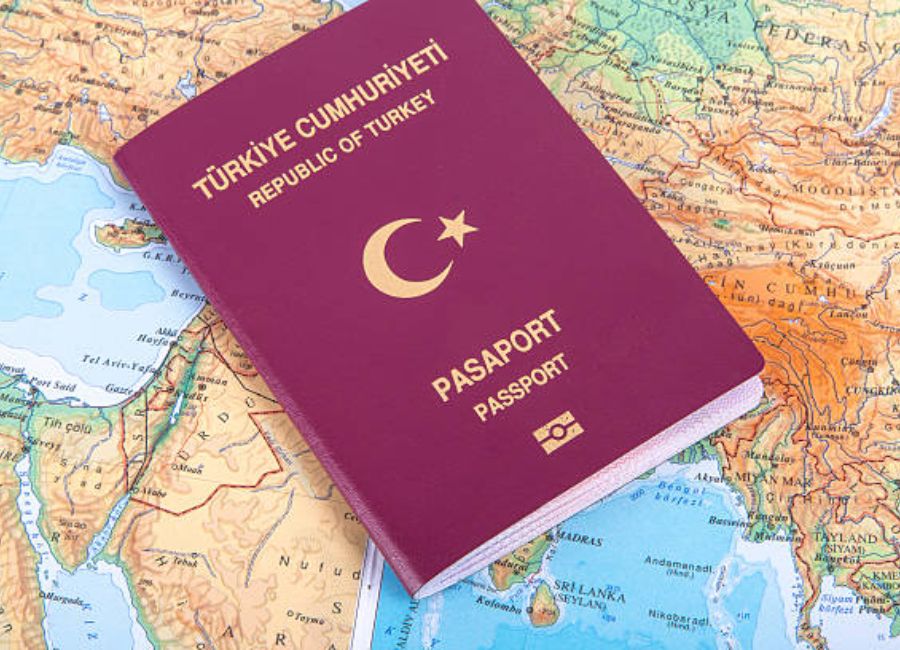
• Keep digital copies of your passport, travel insurance, and visa in cloud storage.
Conclusion
So, Is Turkey Safe for Tourists? For the overwhelming majority of visitors going to Istanbul, the coast, Cappadocia, or other major tourist destinations, the answer is a confident yes. Turkey is a country of extraordinary food, breathtaking landscapes, rich history, and genuinely warm hospitality. The people who have been there tend to go back.
Is Turkey Safe for Tourists in the same way a completely stable, conflict-free country might be? No and it would be dishonest to pretend otherwise. The southeastern region carries real risk. Political tensions occasionally flare. Scams targeting visitors are common in some cities. But these are manageable realities, not reasons to cancel your trip.
Travel with awareness, do your homework on your specific regions, respect local customs, get good insurance, and you will most likely return home with nothing but great memories and a serious craving for Turkish breakfast. These simple steps can make a big difference when considering Is Turkey Safe for Tourists.
Ultimately, Is Turkey Safe for Tourists? Yes and it is also one of the most rewarding destinations you can choose. Go with your eyes open, and enjoy every moment.
FAQs
1. Is Turkey safe for tourists right now in 2025?
Yes, for the vast majority of destinations that tourists visit Istanbul, Cappadocia, the Aegean and Mediterranean coasts Turkey is safe for tourists in 2025. Millions visit each year without incident. The exceptions remain the southeastern border provinces near Syria and Iraq, which should be avoided per most government advisories.
2. Is Turkey safe for tourists who are traveling alone?
Solo travel in Turkey is very common. Solo female travelers should be aware that unwanted attention can occur in more conservative or rural areas, but violent crime against tourists is rare. The main rule is the same one that applies anywhere: stay aware of your surroundings, trust your instincts, and stick to well-reviewed accommodation.
3. Is Turkey safe for tourists from Western countries specifically?
Yes. Tourists from the US, UK, Europe, Canada, and Australia all visit Turkey regularly and are generally well-received. Western tourists are a core part of the Turkish tourism economy. There is no systemic anti-Western sentiment in tourist areas. Political tensions between governments occasionally affect the climate, but they rarely translate to ground-level hostility toward individual travelers.
4. What are the biggest risks for tourists in Turkey?
The most common issues tourists encounter in Turkey are: petty theft and pickpocketing in crowded areas, tourist scams (especially in Istanbul), taxi overcharging, and road accidents if renting a car. These are manageable with basic awareness. Serious crimes against tourists: robbery, assault, kidnapping is rare and not representative of the typical tourist experience.
5. Do I need travel insurance for Turkey?
Yes, absolutely. While Turkey is safe for tourists in most regions, travel insurance is essential for any international trip and particularly for a destination as geographically varied as Turkey. Look for coverage that includes medical treatment, emergency evacuation, trip cancellation, and personal liability. Healthcare quality varies widely between cities and rural areas, so evacuation cover is not a luxury, it is a sensible precaution.
Is Turkey safe for tourists? Yes and it is also one of the most rewarding destinations you can choose. Go with your eyes open, and enjoy every moment.