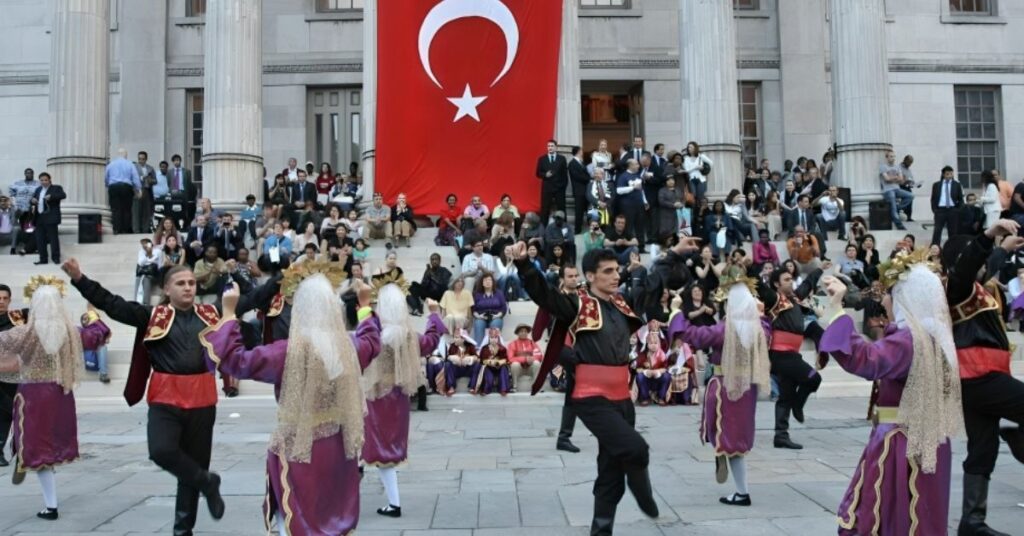
The Culture in Turkish society is one of the most dynamic and verifiably layered in the world. Mixing Eastern conventions with Western innovation, Turkish culture stands as a living image of concordance, differing qualities, and versatility. It’s not a fair personality , it’s a way of life established in neighborliness, craftsmanship, nourishment, and family values.
Spanning the intersection of Europe and Asia, Turkey’s one of a kind geology has affected its individuals, dialect, religion, and way of life. From the old Hittites to the forceful Footrest Domain, each period has cleared out a check on what we presently call Turkish culture. Understanding this intriguing mix makes a difference as we see why Turkish conventions and advanced ways of life proceed to motivate millions around the globe.
The Historical Foundations of Turkish Culture
A Legacy of Civilizations
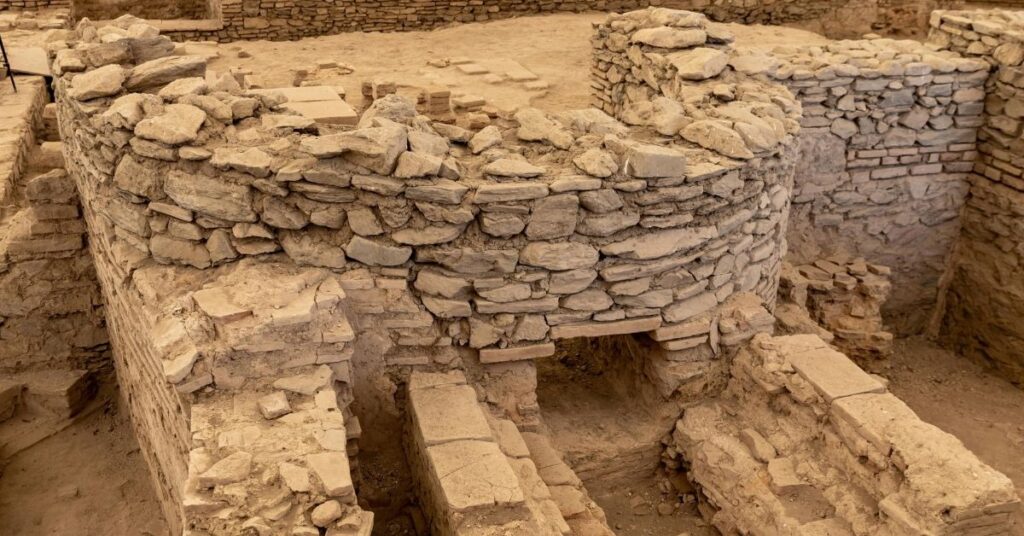
The story of Culture in Turkish heritage begins with an intersection of civilizations. Anatolia, the land where Turkey now stands, has been home to the Greeks, Romans, Byzantines, and Ottomans. Each left their influence on architecture, religion, language, and art.
The Ottoman Empire, in particular, shaped Turkish identity through centuries of expansion and innovation. From its intricate mosques to culinary evolution, the Ottoman influence is still visible in modern Turkish society and culture. Istanbul, with its skyline of domes and minarets, remains a living museum of this glorious past.
Modern Reforms and National Identity
Following the establishment of the Republic of Turkey in 1923, Mustafa Kemal Atatürk introduced modern reforms that redefined Turkish traditions. The shift from the Ottoman script to the Latin alphabet symbolized progress while preserving the Turkish language as a national treasure.
Today, Turkish identity proudly reflects both its Ottoman heritage and the modern democratic spirit of its people , a perfect harmony between past and present.
Turkish Language : The Voice of a Nation
The Turkish language is more than a tool for communication; it’s the soul of Turkish identity. As a unifying force, it connects people across diverse regions and backgrounds.
Derived from the Turkic family, the Turkish language has absorbed influences from Arabic, Persian, and French. Its melodic rhythm and vowel harmony give it a distinct charm that reflects the culture in Turkish expression.
Common greetings like “Merhaba” (Hello), “Güle güle” (Goodbye), and “Afiyet olsun” (Enjoy your meal) reveal the warmth and kindness of Turkish hospitality traditions. Whether spoken in bustling Istanbul or quiet Anatolian villages, Turkish carries centuries of cultural wisdom.
Family and Social Etiquette:The Heart of Turkish Values

Family Bonds and Respect
Family remains the cornerstone of Turkish values. In the Turkish lifestyle, respect for elders and close family ties are essential. Multi-generational households are common, where grandparents play an active role in raising children.
Social interactions emphasize sincerity and emotional warmth. A typical Turkish family gathering includes laughter, storytelling, and, of course, endless cups of tea. This deep sense of belonging represents the essence of Turkish traditions: unity, care, and respect.
Social Etiquette and Hospitality
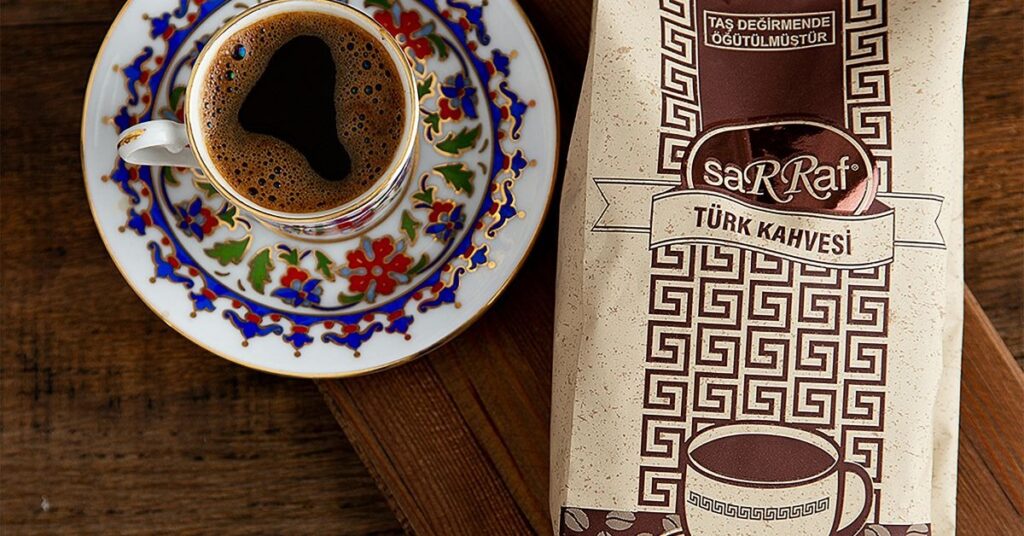
Turkish hospitality is legendary. Guests are considered a blessing, and serving them tea or Turkish coffee is a sacred ritual. Removing shoes before entering a home and offering food generously reflect Turkish customs of politeness and warmth.
These gestures are more than manners; they’re a reflection of Turkish cultural heritage passed down for generations. Whether you’re a tourist or a business guest, you’ll experience the sincerity that defines the Turkish people.
Cuisine :The Flavor of Turkish Heritage
When it comes to Culture in Turkish life, food plays a starring role. Turkish cuisine blends Mediterranean freshness with Middle Eastern spice and Balkan comfort.
Popular Dishes and Dining Traditions
- Kebabs: Each region adds its unique touch, from spicy Adana kebabs to tender Urfa versions.
- Mezes : Appetizers like hummus, ezme, and haydari served with warm bread.
- Baklava : Layers of pastry, nuts, and honey are a sweet legacy of Ottoman kitchens.
- Turkish Tea and Coffee : Integral to daily life, symbolizing friendship and connection.
Eating in Turkey is a social event, not a task. Conversations flow easily, and meals can last for hours. This dining culture demonstrates how Turkish traditions preserve unity and joy through shared experiences.
Religion, Art, and Festivals in Turkish Culture
Faith and Freedom
Islam is the predominant faith in Turkey, influencing daily life and social ethics. Yet, the country’s secular structure ensures freedom of belief for all citizens. This balance gives Turkish society a unique identity spiritually rich yet modern in outlook.
Festivals such as Ramazan Bayramı (Eid al-Fitr) and Kurban Bayramı (Eid al-Adha) bring families together, fostering compassion and generosity. Similarly, national holidays like Republic Day celebrate unity and progress at the core of Turkish values.
Art, Music, and Cultural Expression
Art is deeply rooted in Turkish culture. From Ottoman calligraphy and miniature paintings to modern cinema and pop music, Turkey’s creativity reflects its historical depth.
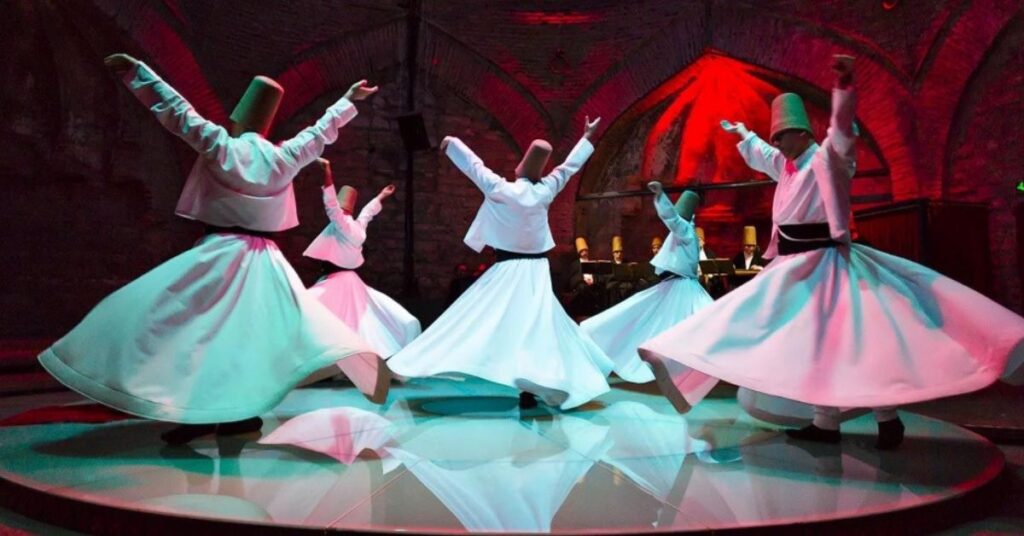
Traditional Turkish music and dance, such as the Whirling Dervishes or folk “Halay,” express both spirituality and joy. Modern Turkish artists continue to blend Western techniques with native storytelling, a beautiful example of Turkish cultural fusion.
Modern Turkish Lifestyle: Bridging Tradition and Innovation
In the 21st century, modern Turkey continues to evolve while staying true to its roots. Cities like Istanbul and Ankara are centers of technology, fashion, and design yet they remain anchored in Turkish cultural heritage.
Contemporary Turkish fashion and trends often merge traditional fabrics with modern silhouettes. Meanwhile, Turkish cinema, known globally through popular TV dramas (“Dizi”), portrays everyday life, family values, and emotional intensity offering the world an authentic look into Turkish society and culture.
Turkey’s commitment to global cultural exchange, through organizations like the Yunus Emre Institute, promotes its art, language, and Turkish hospitality worldwide.
The Global Influence of Turkish Culture
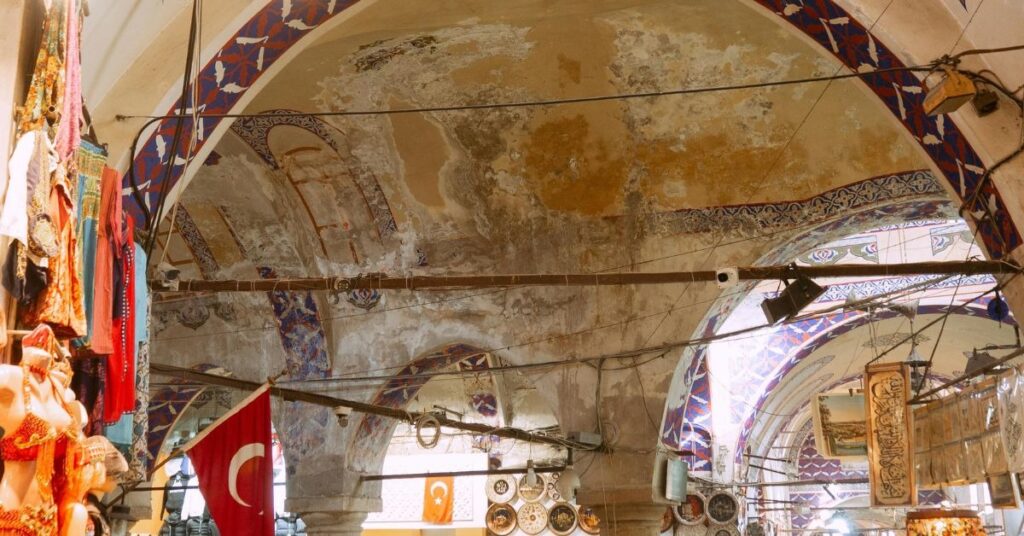
The beauty of Culture in Turkish life is its universality. Turkish cuisine is celebrated worldwide; Turkish coffee is recognized by UNESCO as an intangible cultural heritage; and Turkish hospitality continues to set global standards for warmth and generosity.
Millions of tourists visit Turkey each year, drawn not only by its scenic landscapes but by its people’s genuine kindness. From bustling bazaars to quiet coastal towns, Turkish lifestyle remains a beacon of balance between innovation and tradition, individuality and community.
Conclusion: The Living Spirit of Turkish Culture
The Culture in Turkish experience is alive not confined to history books or museums. It thrives in the laughter of families, the aroma of tea, and the melodies of Turkish music.
Understanding Turkish traditions, values, and customs means understanding the heart of Turkey itself. This culture, with its deep roots and open arms, continues to connect East and West in a timeless embrace.
To explore more about Turkish heritage, visit [Insert Internal Link Here] and discover how the Culture in Turkish spirit continues to inspire the world.
People Also Known
1. What is unique about Turkish culture?
Turkish culture uniquely blends Eastern and Western influences, combining Islamic traditions with modern European lifestyles.
2. Why is hospitality important in Turkey?
Hospitality is a symbol of respect and kindness in Turkish society, reflecting the belief that “a guest is sent by God.”
3. What are some famous Turkish foods?
Kebabs, baklava, dolma, simit, and Turkish tea are some of the most iconic dishes enjoyed across Turkey.
4. How does religion influence Turkish culture?
Islam shapes daily customs, holidays, and values, while the country’s secular system promotes religious freedom and cultural diversity.
5. What festivals are celebrated in Turkey?
Major festivals include Ramadan Bayram, Kurban Bayram, Republic Day, and the Whirling Dervishes Festival.
6. Is Turkish culture modern or traditional?
It’s a harmonious mix deeply rooted in tradition yet adaptive to modern trends, making Turkey one of the most culturally diverse nations in the world.
0 Comments