
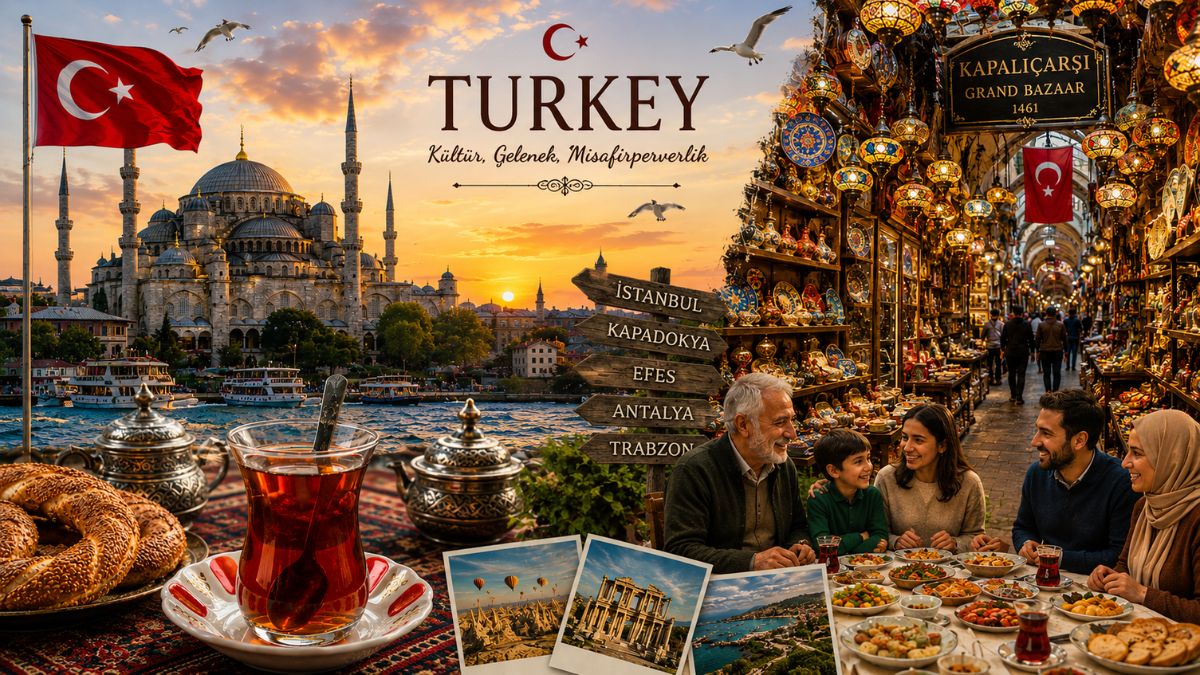
When people talk about culture in Turkish society, they are referring to one of the richest, most layered, and most resilient cultural identities on earth. Turkey sits at the crossroads of Europe and Asia not just geographically, but spiritually and historically. This unique position has given birth to a culture that is simultaneously ancient and modern, deeply rooted yet constantly evolving.
The culture in Turkish life is not a relic of the past. It is alive in every cup of tea poured for a guest, in every family gathering that stretches past midnight, in every mosque call echoing across a hillside city. To understand Turkey, you must understand its culture and that journey begins thousands of years ago.
Historical Foundations of Culture in Turkish Heritage
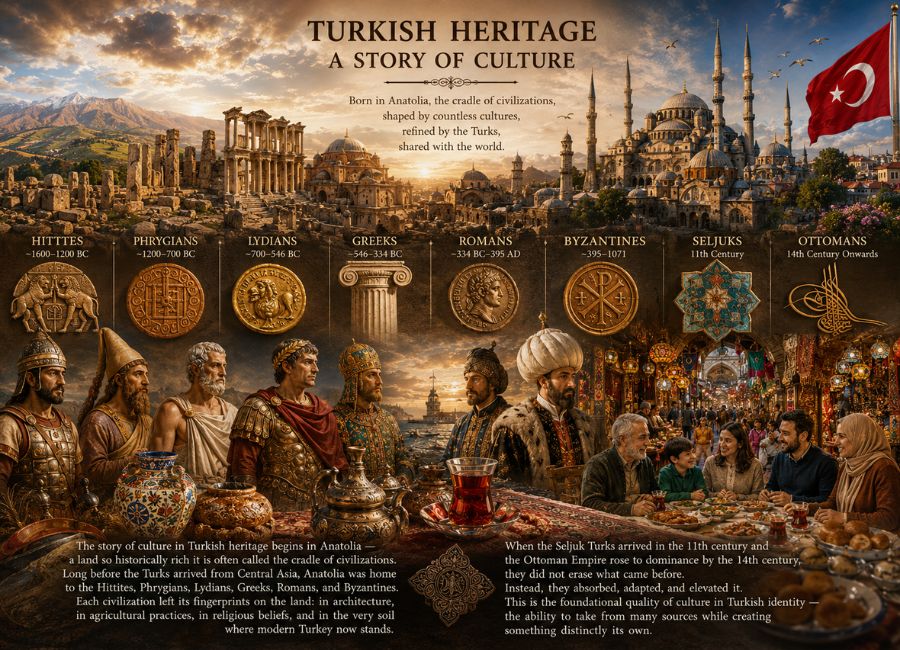
The story of culture in Turkish heritage begins in Anatolia a land so historically rich it is often called the cradle of civilizations. Long before the Turks arrived from Central Asia, Anatolia was home to the Hittites, Phrygians, Lydians, Greeks, Romans, and Byzantines. Each civilization left its fingerprints on the land: in architecture, in agricultural practices, in religious beliefs, and in the very soil where modern Turkey now stands.
When the Seljuk Turks arrived in the 11th century and the Ottoman Empire rose to dominance by the 14th century, they did not erase what came before. Instead, they absorbed, adapted, and elevated it. This is the foundational quality of culture in Turkish identity — the ability to take from many sources while creating something distinctly its own.
The Ottoman Empire’s Lasting Influence
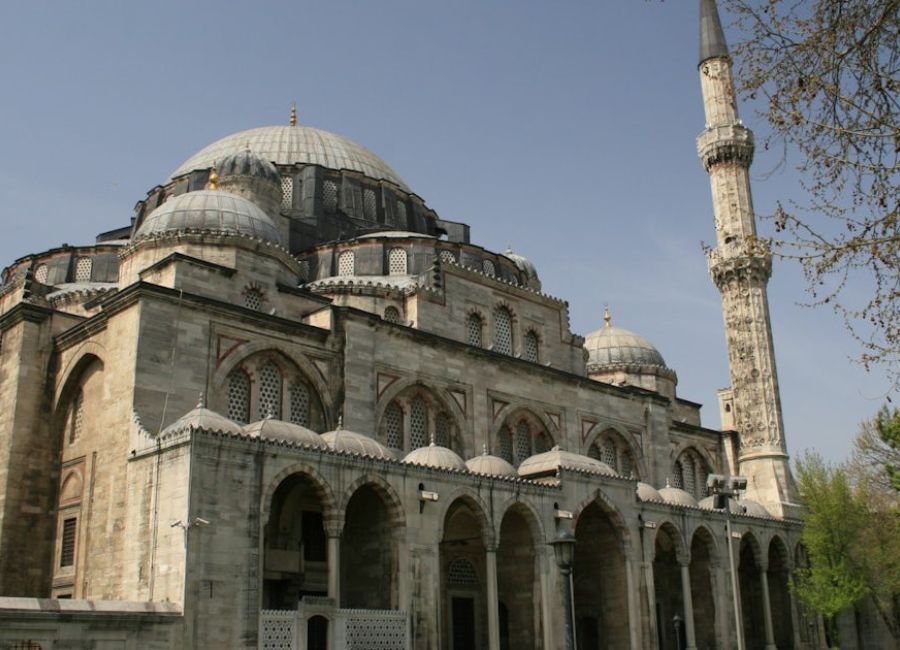
No discussion of culture in Turkish life can ignore the Ottoman Empire, which ruled for more than six centuries and shaped nearly every aspect of Turkish identity — from its cuisine and architecture to its sense of hospitality and social hierarchy. Ottoman culture was itself a blend: Persian aesthetics, Arab scholarship, Byzantine grandeur, and Central Asian traditions all merged under one roof.
Istanbul formerly Constantinople remains the most powerful symbol of this heritage. Walking through its streets means passing from Byzantine mosaics to Ottoman domes to Art Nouveau buildings to gleaming modern skyscrapers. The city does not choose between its layers it celebrates all of them. That spirit of layered identity is the heart of culture in Turkish expression.
Atatürk’s Reforms and the Modern Turkish Identity
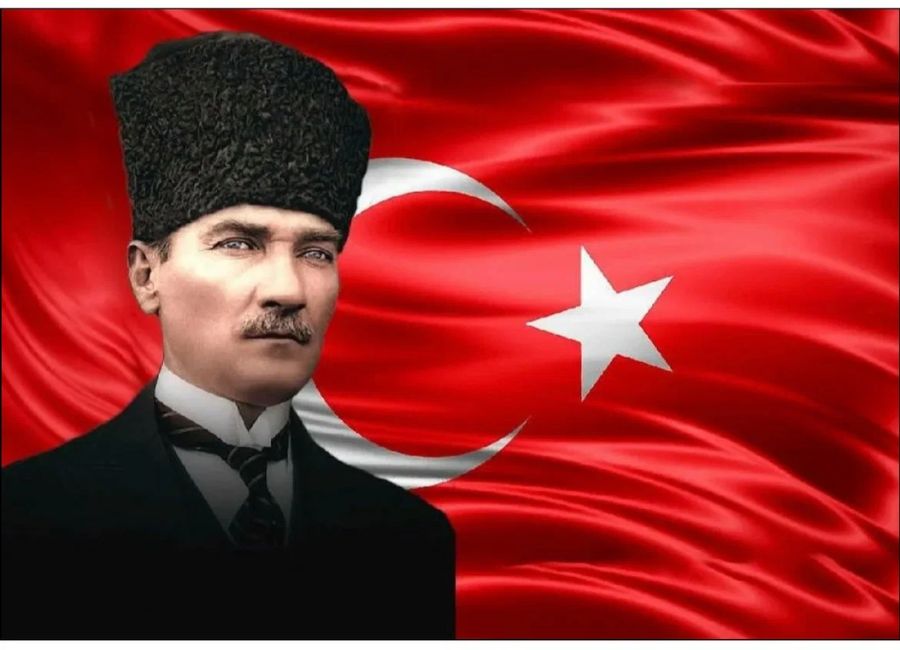
In 1923, Mustafa Kemal Atatürk founded the Republic of Turkey and launched a sweeping set of cultural and political reforms that transformed the nation almost overnight. The Ottoman script was replaced with the Latin alphabet. Women gained the right to vote before many Western countries. Education was secularized. Western clothing replaced traditional dress in public institutions.
These reforms reshaped culture in Turkish society, creating a new kind of Turk: educated, secular, nationally proud, yet still deeply connected to centuries-old values. Today, the tension and harmony between this modern republican identity and older Islamic and Ottoman traditions continues to define cultural life in Turkey.
The Turkish Language: Soul of a Nation
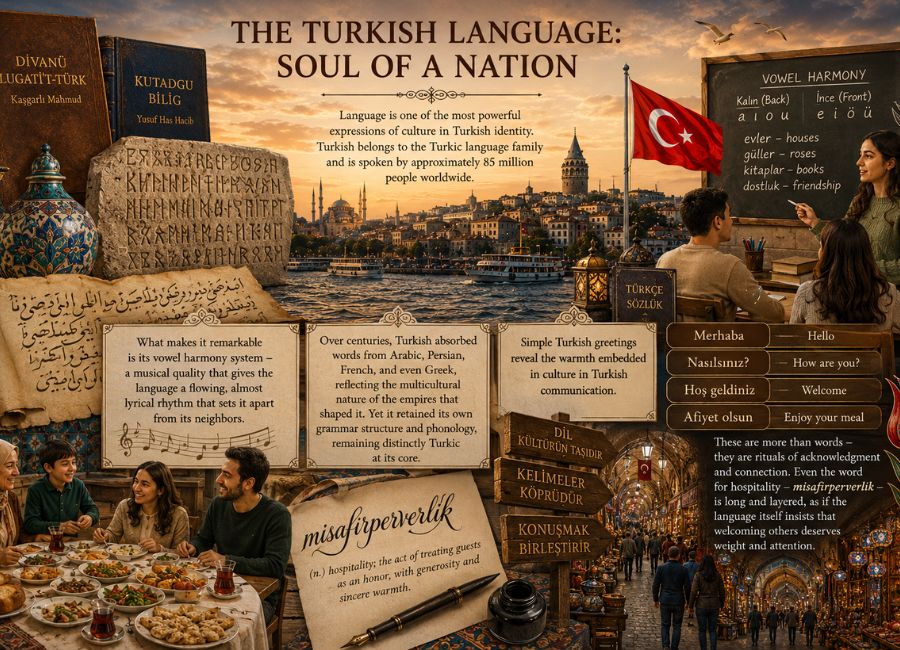
Language is one of the most powerful expressions of culture in Turkish identity. Turkish belongs to the Turkic language family and is spoken by approximately 85 million people worldwide. What makes it remarkable is its vowel harmony system — a musical quality that gives the language a flowing, almost lyrical rhythm that sets it apart from its neighbors.
Over centuries, Turkish absorbed words from Arabic, Persian, French, and even Greek, reflecting the multicultural nature of the empires that shaped it. Yet it retained its own grammar structure and phonology, remaining distinctly Turkic at its core.
Simple Turkish greetings reveal the warmth embedded in culture in Turkish communication. “Merhaba” (Hello), “Nasılsınız?” (How are you?), “Hoş geldiniz” (Welcome), and “Afiyet olsun” (Enjoy your meal) are more than words they are rituals of acknowledgment and connection. Even the word for hospitality “misafirperverlik” — is long and layered, as if the language itself insists that welcoming others deserves weight and attention.
Family Values and Social Etiquette in Turkish Culture
The Family as the Core Unit
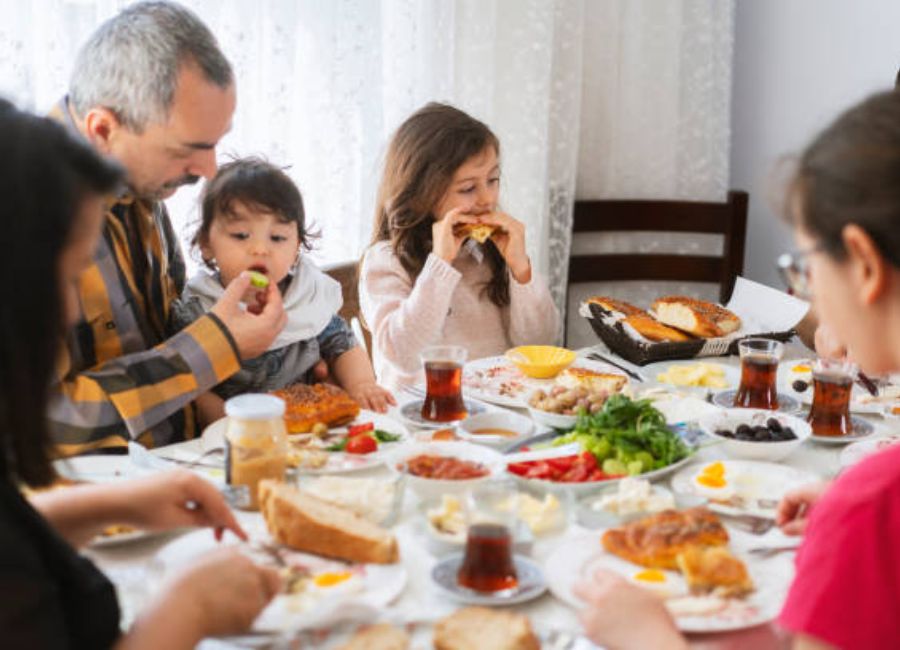
If there is one institution that defines culture in Turkish life more than any other, it is the family. Turkish society is built around strong, multi-generational family bonds. Grandparents, parents, and children often share not just a home but a daily life cooking together, making decisions together, celebrating and grieving together.
Respect for elders is a foundational value. Children are expected to kiss the hand of elderly relatives as a sign of deep respect a custom that reflects the reverence for age and wisdom embedded in culture in Turkish tradition. Parents sacrifice enormously for children, and in return, children are expected to care for aging parents. This reciprocal bond creates a social safety net rooted in love rather than law.
Hospitality: A Sacred Duty
Turkish hospitality is not an exaggeration, it is a deeply held cultural obligation. There is a famous Turkish saying: “Misafir on dakika geç gelir, on yıl erken” a guest arrives ten minutes late but is remembered ten years early. Guests are welcomed like gifts from God. Refusing to accept tea or food in a Turkish home can be perceived as a slight and uncomfortable awkwardness that hosts work hard to avoid by pressing again and again.
Culture in Turkish hospitality includes specific customs: shoes are removed at the door, the best seat is offered to the guest, food is presented generously even when resources are limited, and conversation is given freely and warmly. These are not performances they reflect a genuine belief that human connection matters above all else.
Social Etiquette Worth Knowing
For anyone visiting or working with Turks, understanding culture in Turkish etiquette can make a significant difference. Some key practices:
• Always greet the eldest person in the room first age commands respect.
• Avoid pointing the sole of your foot toward someone; it is considered disrespectful.
• Accept tea when offered; declining can feel dismissive.
• Dress modestly when visiting mosques or religious sites.
• Expect conversations to feel personal Turks may ask about your family, income, or marital status not intrusively, but out of genuine interest.
Turkish Cuisine: The Flavor of Culture in Turkish Life
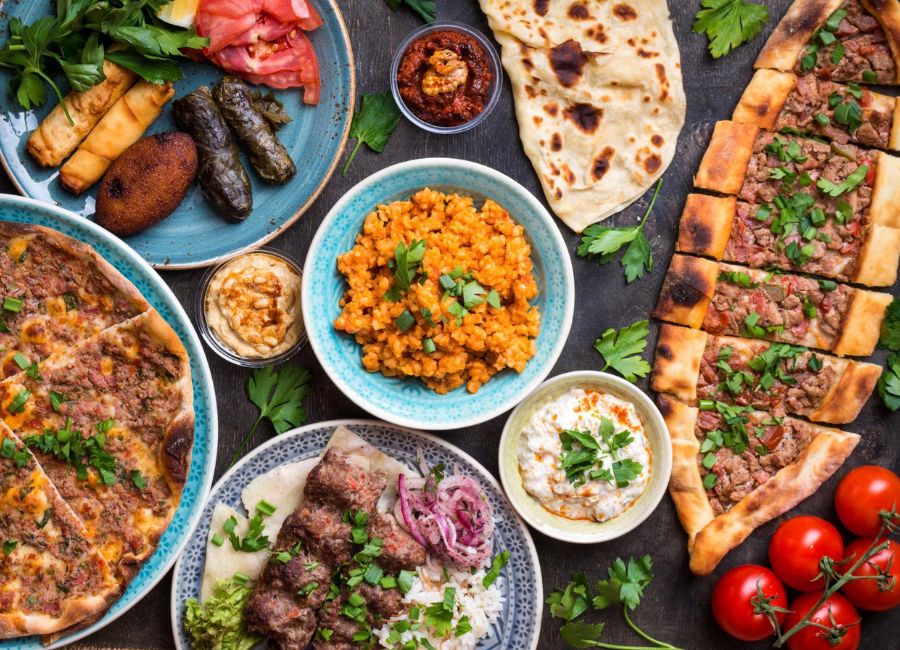
Food is not just sustenance in Turkey it is a language, a love language at that. Culture in Turkish cuisine is an extraordinary fusion of Mediterranean freshness, Middle Eastern spice, Central Asian heartiness, and Balkan comfort. The result is a culinary tradition so rich and diverse that it has influenced cooking across three continents.
Signature Dishes That Tell a Story
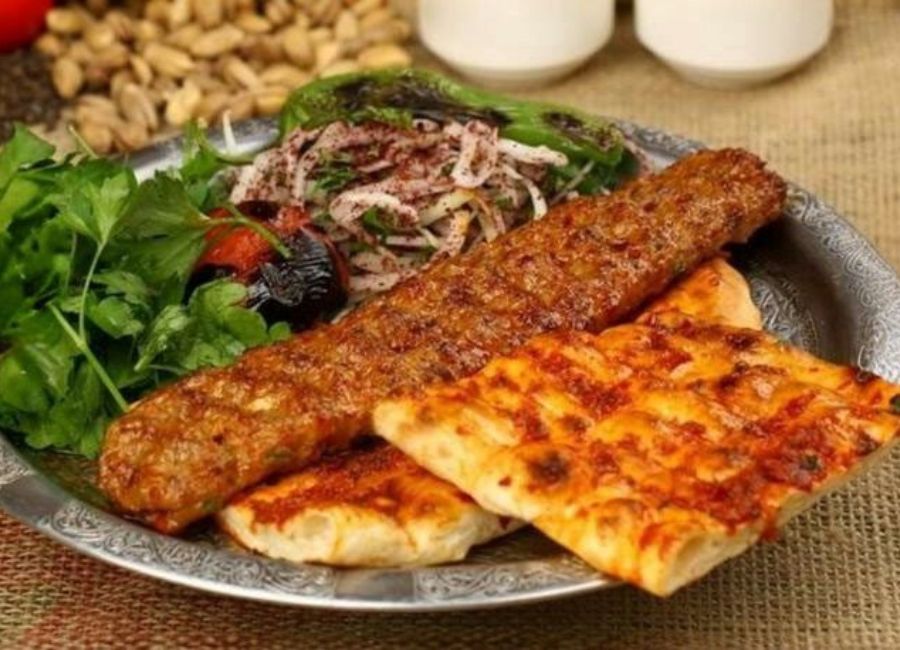
Every Turkish dish has a history. Kebabs are not a single food, they are a universe. The spicy Adana kebab of southern Turkey reflects the region’s fiery climate and bold character. The tender Iskender kebab of Bursa, drenched in tomato sauce and browned butter over pita, was invented in the 19th century by a local chef and has never left the menu since.
Meze culture, a spread of small dishes served before a main meal, is central to culture in Turkish dining. From creamy haydari (yogurt with herbs) to smoky patlican ezmesi (roasted eggplant dip) to fresh börek (stuffed pastry), a Turkish meze table is a celebration in itself. Add a bottle of raki Turkey’s anise-flavored national spirit and a table of friends, and you have an evening that can easily last until sunrise.
Baklava deserves its own paragraph. This iconic dessert layers of paper-thin filo pastry, crushed pistachios or walnuts, and honey syrup is a direct inheritance from Ottoman palace kitchens. Different cities claim the best version: Gaziantep’s pistachio baklava is so prized that it holds a Protected Geographical Indication from the European Union.
Tea and Coffee: The Rituals of Connection
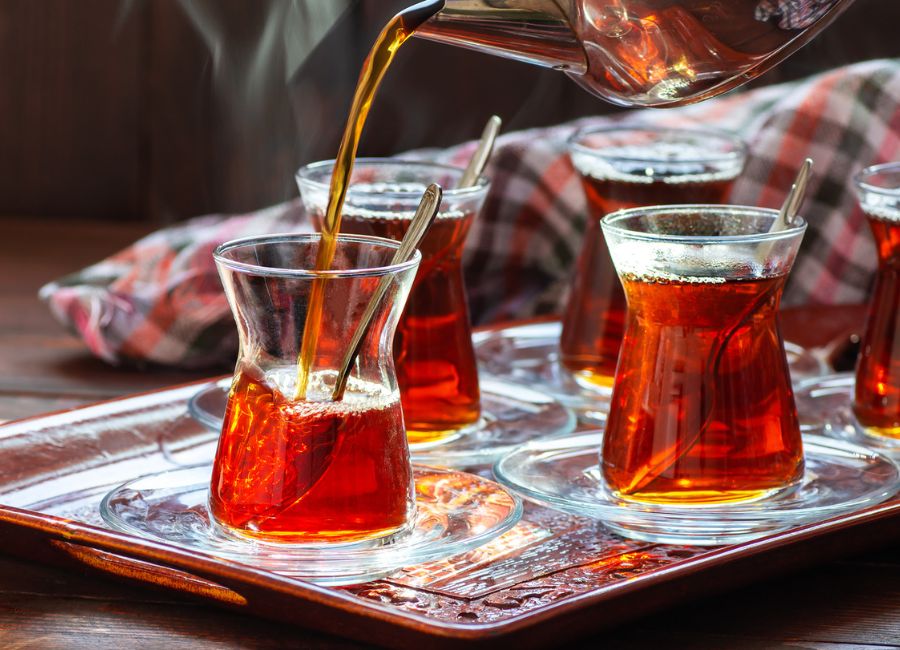
No account of culture in Turkish life is complete without mentioning tea. Turkey is one of the world’s largest consumers of tea per capita. Çay black tea brewed in a double-stacked kettle and served in small tulip-shaped glasses is the social glue of Turkish life. Business deals are struck over tea. Friendships are built over tea. Mornings begin, afternoons continue, and evenings end with tea.
Turkish coffee is equally significant. Thick, strong, and served with a glass of water, Turkish coffee is brewed in a small copper pot called a cezve. UNESCO recognized Turkish coffee as an Intangible Cultural Heritage in 2013 a testament to its deep cultural meaning. In older traditions, a woman’s Turkish coffee-making skills were even assessed by suitors during courtship. Today, coffee remains a symbol of intimacy and slowing down.
Religion, Art, and Festivals: Expressions of Culture in Turkish Life
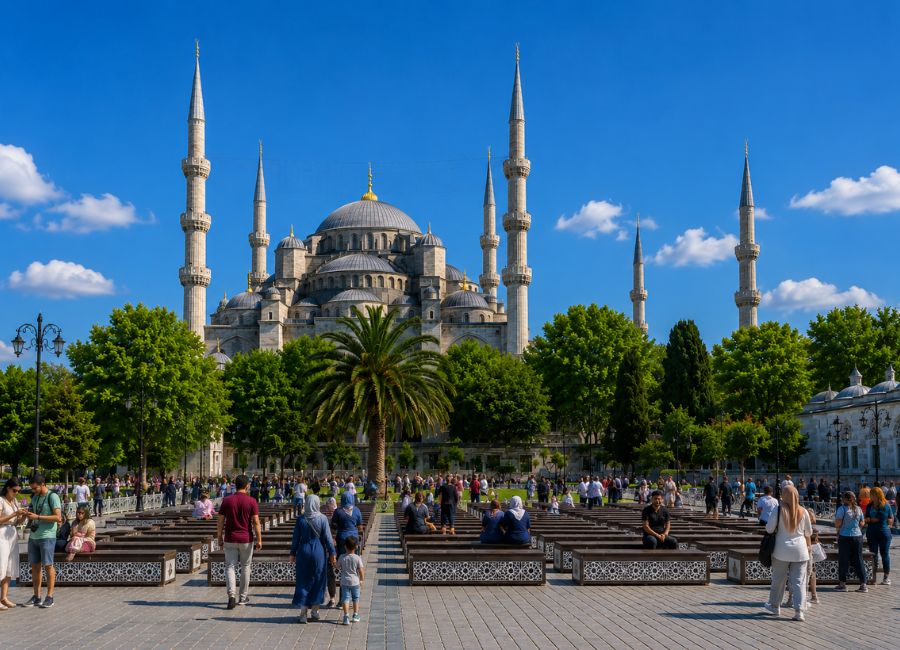
The majority of Turks are Muslim, and Islam profoundly shapes culture in Turkish daily life — from the call to prayer that echoes five times a day across every city to the fasting of Ramadan, the generosity of Eid, and the architecture of thousands of mosques. Faith is not merely practiced; it is embedded in the rhythms of the day.
Yet Turkey is constitutionally secular, and this secularism has produced a unique religious culture. Many Turks practice a personal, private faith while fully engaging with modern life. Women in headscarves and women in swimsuits share the same beaches. This diversity within Islam — shaped by Atatürk’s reforms and Turkey’s cosmopolitan history — is itself a defining feature of culture in Turkish society.
Festivals and National Celebrations
Festivals are vivid expressions of culture in Turkish values. The most significant religious celebrations are Ramazan Bayramı (Eid al-Fitr) when families reunite, children receive gifts, and elders are visited and Kurban Bayramı (Eid al-Adha), when animal sacrifice and communal sharing symbolize devotion and generosity.
National holidays carry equal weight. Republic Day on October 29th marks the founding of modern Turkey with parades, fireworks, and a collective sense of pride. April 23rd is National Sovereignty and Children’s Day, a unique Turkish holiday that Atatürk dedicated to the children of the world. These celebrations connect generations and reinforce the sense of shared identity at the core of culture in Turkish life.
Art, Music, and the Whirling Dervishes
Artistic expression is deeply woven into culture in Turkish heritage. Ottoman miniature painting, calligraphy, tile-making (particularly the distinctive blue-and-white Iznik tiles), and carpet weaving are art forms that have been practiced for centuries and continue to be valued today.
Traditional Turkish music spans from the classical Ottoman makam system to regional folk music played on the saz (a long-necked lute) and davul (drum). The Sema ceremony of the Mevlevi Order, the spinning ritual of the Whirling Dervishes, is one of the most visually striking and spiritually profound practices in culture in Turkish religious life, also recognized by UNESCO as an Intangible Cultural Heritage.
Modern Turkish Lifestyle: Where Tradition Meets Innovation
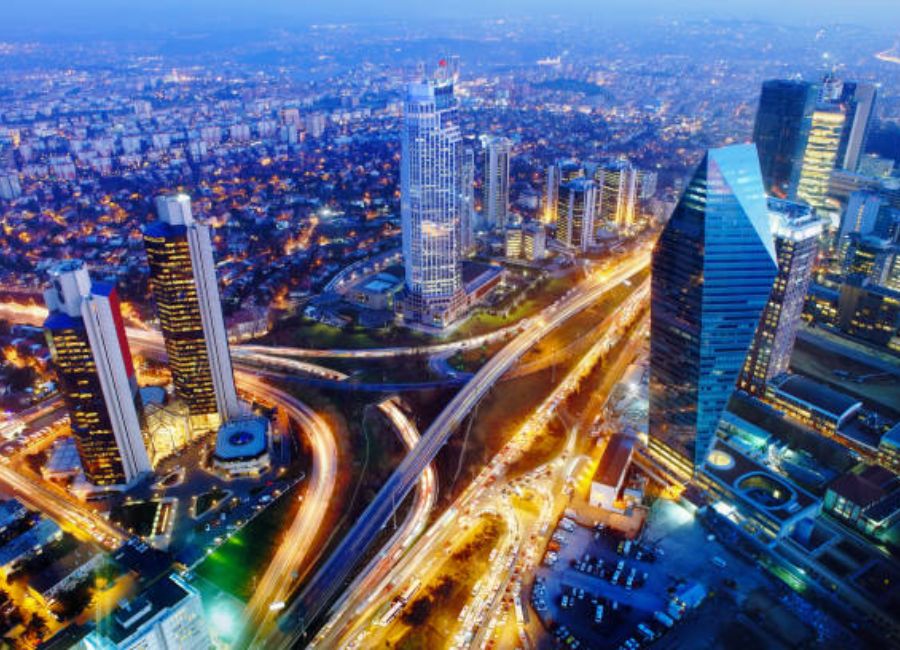
The 21st century has brought significant changes to culture in Turkish daily life, yet the changes have been more evolutionary than revolutionary. Turkey’s major cities Istanbul, Ankara, Izmir, Bursa are dynamic, modern metropolises with thriving tech sectors, world-class universities, international fashion, and vibrant night scenes.
Yet even in the most cosmopolitan Istanbul neighborhood, you will find a tea house full of men playing backgammon, a family-run lokanta serving the same recipes for three generations, and a mosque full on Friday afternoons. The coexistence of the old and new is not a contradiction in culture in Turkish urban life, it is the point.
Turkish Television and Global Cultural Reach
One of the most remarkable recent developments in culture in Turkish global presence is the explosion of Turkish television dramas known as “dizi.” Shows like Dirilis: Ertugrul, Kara Sevda, and Magnificent Century have attracted hundreds of millions of viewers across the Arab world, the Balkans, Latin America, South Asia, and beyond.
These dramas export more than entertainment; they carry Turkish values, settings, fashion, music, and food to global audiences. The result has been a massive increase in tourism to Turkey and a growing global fascination with culture in Turkish tradition. Many viewers report learning to make Turkish dishes, study the Turkish language, or plan trips to Istanbul after watching these shows.
Fashion, Design, and Creative Industries
Culture in Turkish fashion is another arena where tradition and modernity merge. Turkish designers increasingly blend traditional Anatolian patterns, colors, and fabrics with contemporary silhouettes. Istanbul Fashion Week has grown into a significant regional platform. Meanwhile, Turkey remains one of the world’s largest textile manufacturers, contributing to global fashion supply chains while developing a strong domestic style identity.
The Global Footprint of Culture in Turkish Tradition
Culture in Turkish life has always extended beyond Turkey’s borders, but in recent decades that reach has accelerated dramatically. Turkish cuisine can be found on streets from Berlin to Buenos Aires. Turkish coffee ceremonies are practiced from Cairo to Seoul. Turkish carpets hang in homes across Europe and North America.
The Yunus Emre Institute Turkey’s state-sponsored cultural organization operates in more than 50 countries, offering Turkish language courses, cultural events, and art exhibitions. This soft power initiative reflects Turkey’s understanding that culture in Turkish life is one of its most valuable exports.
Tourism data tells the same story. Turkey consistently ranks among the world’s top ten most-visited countries, attracting over 50 million visitors annually in peak years. Tourists come for the beaches and ruins but they stay for the people. The warmth, the food, the stories, and the sense of being genuinely welcomed: these are the gifts that culture in Turkish hospitality gives to every visitor.
Conclusion
What makes culture in Turkish society so compelling is that it refuses to be frozen in time. It does not exist only in museums or history books. It lives in the sound of the ezan drifting across a city at dawn. It lives in the smell of simit fresh from a street cart. It lives in a grandmother’s hands rolling out börek dough the same way her own grandmother did.
Culture in Turkish experience is a continuous conversation between the past and the present between the Ottoman calligrapher and the Istanbul street artist, between the village tea house and the rooftop cocktail bar, between the Quranic recitation and the pop song on the radio. Turkey does not resolve these tensions. It embraces them, and in doing so, creates one of the world’s most dynamic and enduring cultures.
Whether you are a traveler, a researcher, a business professional, or simply a curious soul, understanding culture in Turkish life will enrich every interaction you have with Turkey and its people. This culture, with its deep roots and open arms, truly connects East and West and has been doing so for thousands of years.
FAQs
1. What makes culture in Turkish society unique?
Culture in Turkish society blends European and Asian traditions with a rich history and modern lifestyle.
2. Why is hospitality important in culture in Turkish life?
Hospitality is a core part of culture in Turkish life. Guests are welcomed warmly and treated with great respect.
3. What are the most popular foods in culture in Turkish cuisine?
Popular foods include kebabs, baklava, dolma, simit, lahmacun, Turkish tea, and Turkish coffee.
4. How does religion influence culture in Turkish daily life?
Religion shapes many traditions, holidays, and family values, while Turkey remains a secular country.
5. What festivals are celebrated in culture in Turkish tradition?
Major festivals include Ramadan Bayram, Kurban Bayram, Republic Day, and Children’s Day.
6. Is culture in Turkish life traditional or modern?
Culture in Turkish life combines traditional values with a modern lifestyle.