

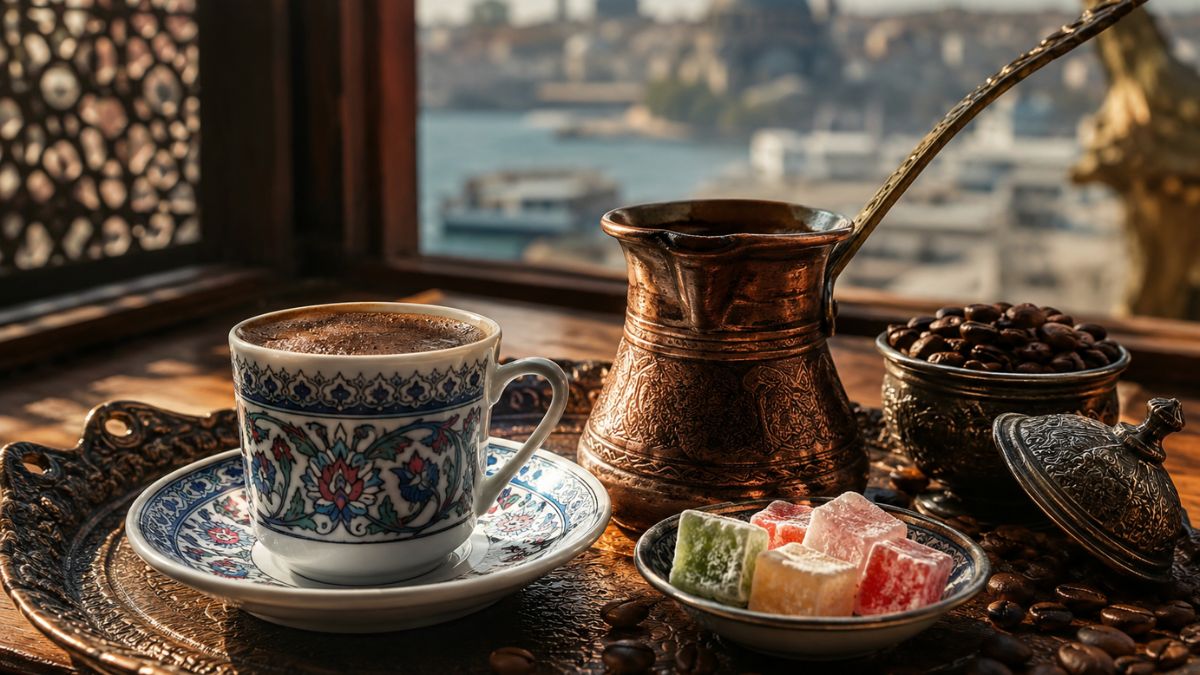
Few travel experiences blend flavor, culture, and wellness quite like a cup brewed in the old Ottoman style. Consequently, understanding the true Turkish coffee benefits has become essential reading for anyone planning a trip through Istanbul’s winding bazaars or a quiet Anatolian village. This isn’t just about caffeine. It’s about a centuries-old ritual that continues to shape social life, hospitality, and even health conversations across the region.
For travelers, discovering the Turkish coffee benefits means uncovering a layered experience: rich antioxidants, a slow-brewed ceremony, and a deep connection to local customs that few other beverages can offer. Moreover, as wellness tourism grows, more visitors are seeking out authentic coffeehouses not just for the taste, but for the health and cultural value baked into every cup.
In this guide, we’ll explore the science-backed Turkish coffee benefits, the travel experiences built around it, and practical tips for enjoying it responsibly on your next journey. Whether you’re a coffee enthusiast or a curious traveler, this article will help you appreciate why this tradition endures.
What Makes Turkish Coffee Different From Other Brews
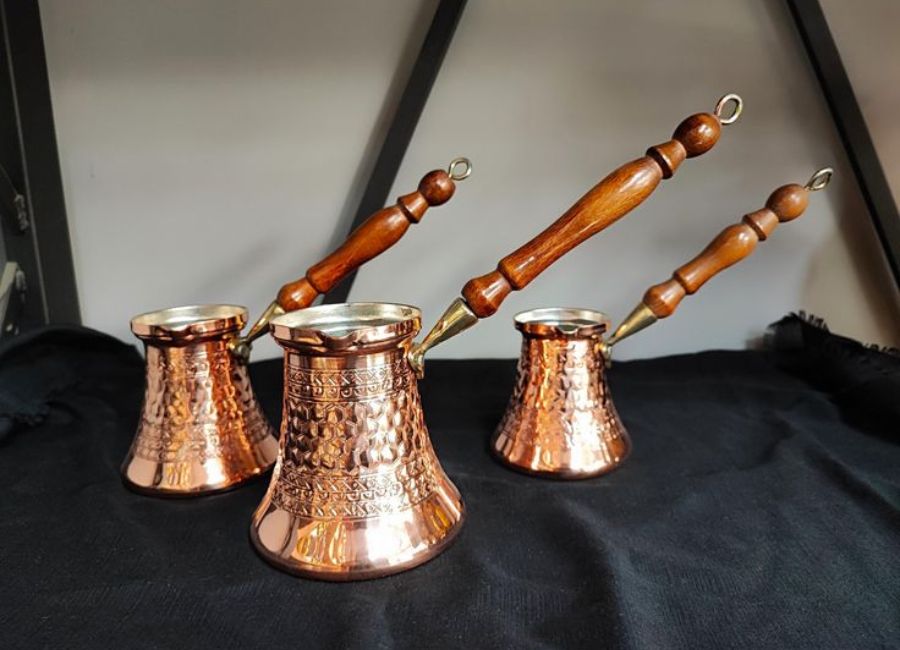
Before diving into the specific Turkish coffee benefits, it helps to understand what sets this brewing method apart. Unlike drip coffee or espresso, Turkish coffee is made by simmering finely ground beans directly in water, often with sugar, inside a small copper pot called a cezve.
As a result, the grounds remain in the cup rather than being filtered out. This unfiltered approach is central to many of the Turkish coffee benefits discussed throughout this article, since it preserves oils and compounds that filtration typically removes.
The Brewing Ritual Itself
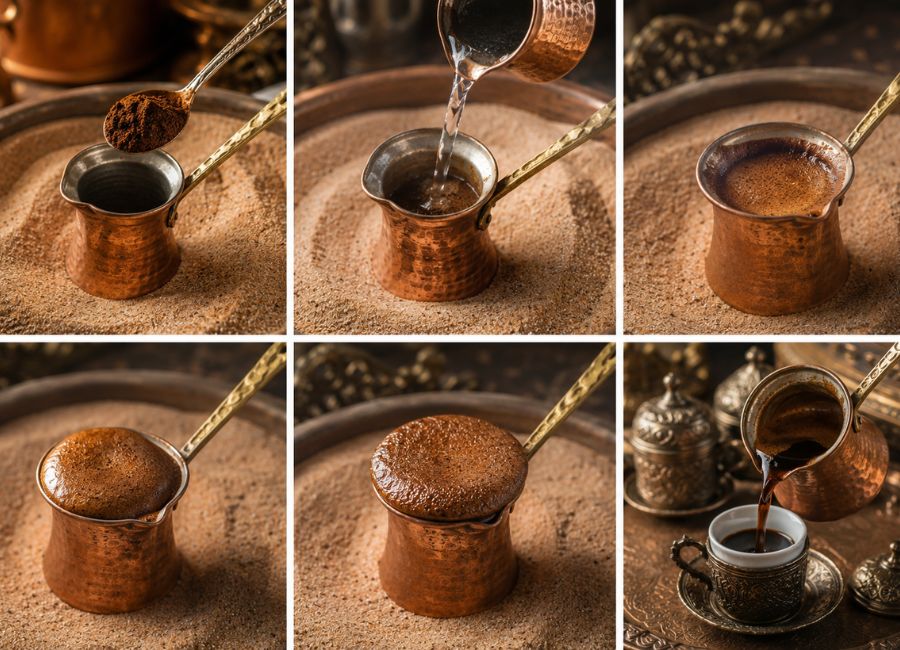
The preparation process is unhurried by design. Because the coffee is heated slowly over low flame, the ritual encourages patience, a quality that mirrors the broader travel mindset of slowing down to savor a destination.
- Finely ground coffee (finer than espresso) is combined with cold water.
- Sugar is added at this stage, depending on preference.
- The mixture is heated slowly until a foam rises to the top.
- It’s poured carefully into small cups, foam first.
This meticulous process is one reason travelers often describe drinking Turkish coffee as a cultural experience rather than a quick caffeine fix.
Top Turkish Coffee Benefits Backed by Tradition and Research

Now, let’s examine the core Turkish coffee benefits that make this beverage worth seeking out during your travels.
1. Rich Source of Antioxidants
Because the beans are unfiltered, Turkish coffee retains higher concentrations of antioxidants compared to some filtered alternatives. These compounds help the body combat oxidative stress, which is one of the most frequently cited Turkish coffee benefits among nutrition-focused travelers.
Antioxidants found in coffee, including chlorogenic acid, are associated with reduced inflammation. Therefore, travelers who enjoy a cup each morning may be supporting their overall wellness while also embracing local customs.
2. Potential Cardiovascular Support
Moderate coffee consumption, including Turkish coffee, has been linked in various studies to cardiovascular benefits when consumed in reasonable amounts. This is another important aspect of the Turkish coffee benefits conversation, though it should be balanced with individual health considerations.
However, since Turkish coffee is often unfiltered, some research suggests it may also raise certain cholesterol markers if consumed excessively. Consequently, moderation remains key, a point worth noting for travelers eager to indulge daily.
3. Enhanced Mental Alertness
Like most caffeinated beverages, Turkish coffee provides a noticeable boost in focus and alertness. For travelers navigating long days of sightseeing, this is one of the most practical Turkish coffee benefits.
Additionally, the slow sipping style, rather than gulping a large cup, may help sustain energy more evenly throughout the morning, avoiding the sharp crash associated with faster caffeine delivery methods.
4. Digestive Support After Meals
Traditionally served after meals across Turkey and neighboring regions, Turkish coffee benefits digestion in ways that align with centuries of cultural practice. The warm liquid, combined with its rich aroma, is often credited with aiding the digestive process following a hearty meal. To enjoy the full culinary experience, pair your coffee with some of Turkey’s famous Turkish dishes, which perfectly complement this traditional drink.
Furthermore, this after-dinner custom reflects a broader Mediterranean and Middle Eastern approach to dining, where beverages are intentionally paired with food for both flavor and function.
5. Social and Mental Wellbeing
Beyond the physical, one of the most understated Turkish coffee benefits is its role in social connection. Sharing a cup with friends, family, or even strangers is a deeply embedded cultural practice.
As a result, travelers who participate in this ritual often report a stronger sense of connection to the destinations they visit. This social dimension is something few other beverages replicate so effectively.
6. A Tool for Reflection and Mindfulness
Because the brewing and drinking process takes time, many people find that enjoying Turkish coffee naturally encourages mindfulness. Sipping slowly, savoring the aroma, and even reading the coffee grounds afterward (a popular fortune-telling custom) all contribute to a reflective pause in an otherwise busy travel itinerary.
Turkish Coffee and Travel: A Cultural Experience Worth Seeking Out
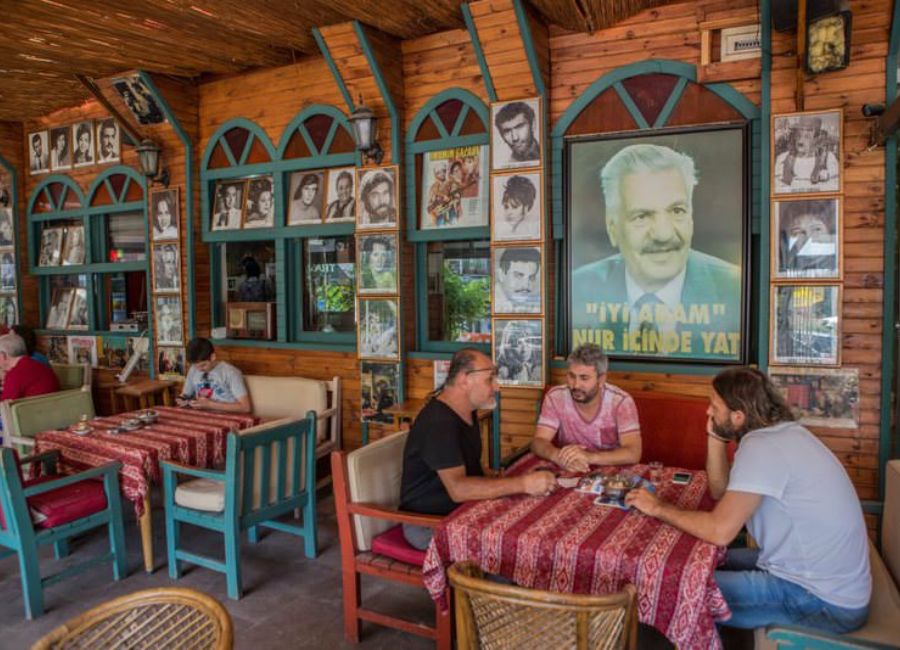
For travel enthusiasts, the Turkish coffee benefits extend well beyond the cup itself. In fact, this beverage has become a genuine tourism draw, with entire neighborhoods in cities like Istanbul, Gaziantep, and Izmir built around traditional coffeehouses.
UNESCO Recognition and Cultural Significance

Turkish coffee culture and tradition were formally recognized on UNESCO’s Representative List of the Intangible Cultural Heritage of Humanity, underscoring its importance beyond simple refreshment. This recognition highlights how the preparation, presentation, and consumption of Turkish coffee represent a living tradition passed down through generations.
Subsequently, many travel itineraries now include dedicated coffee tours, allowing visitors to:
- Watch coffee roasted and ground using traditional methods.
- Learn to prepare the beverage in an authentic cezve.
- Participate in local fortune-telling customs using coffee grounds.
- Visit historic coffeehouses dating back centuries.
Where to Experience Authentic Turkish Coffee
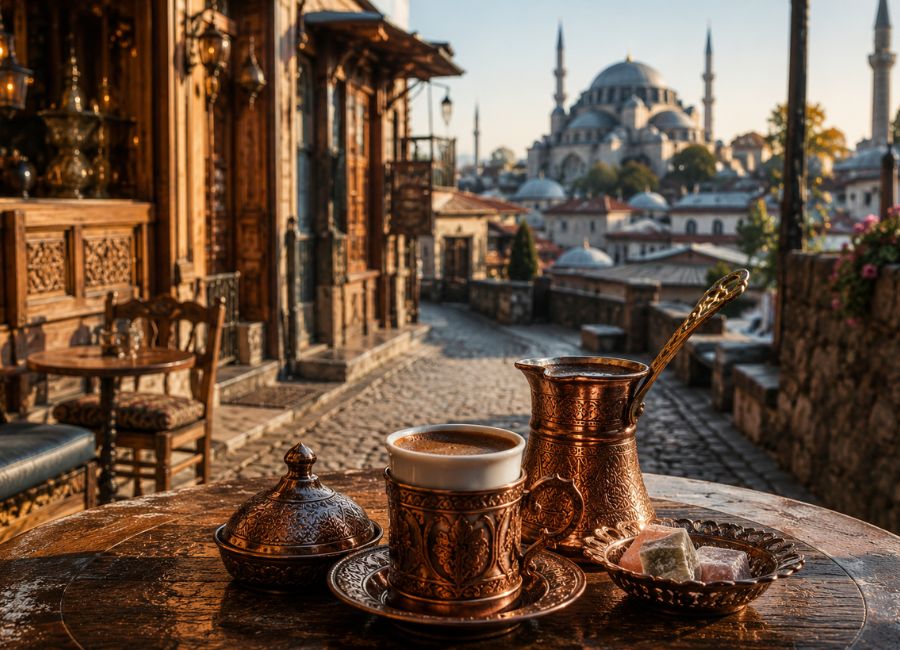
If you’re planning a trip centered around this tradition, certain destinations stand out for offering genuine experiences:
- Istanbul: Home to some of the oldest coffeehouses in the world, particularly in neighborhoods like Fatih and Beyoğlu.
- Gaziantep: Known for its rich culinary heritage, including distinctive coffee preparation styles.
- Izmir: Offers a coastal twist on the tradition, often paired with Aegean pastries.
Each destination provides a slightly different lens through which to appreciate the Turkish coffee benefits, blending regional history with shared cultural practices. If you’re planning to visit Istanbul, Gaziantep, or Izmir to experience authentic Turkish coffee, it’s also worth reading our guide on whether Turkey is safe for tourists before your trip.
How to Enjoy Turkish Coffee Responsibly While Traveling
While the Turkish coffee benefits are appealing, it’s important to consume this beverage thoughtfully, especially during travel when routines and diets often shift.
Practical Tips for Travelers
- Pace yourself. One or two small cups per day is typically sufficient to enjoy the benefits without overdoing caffeine intake.
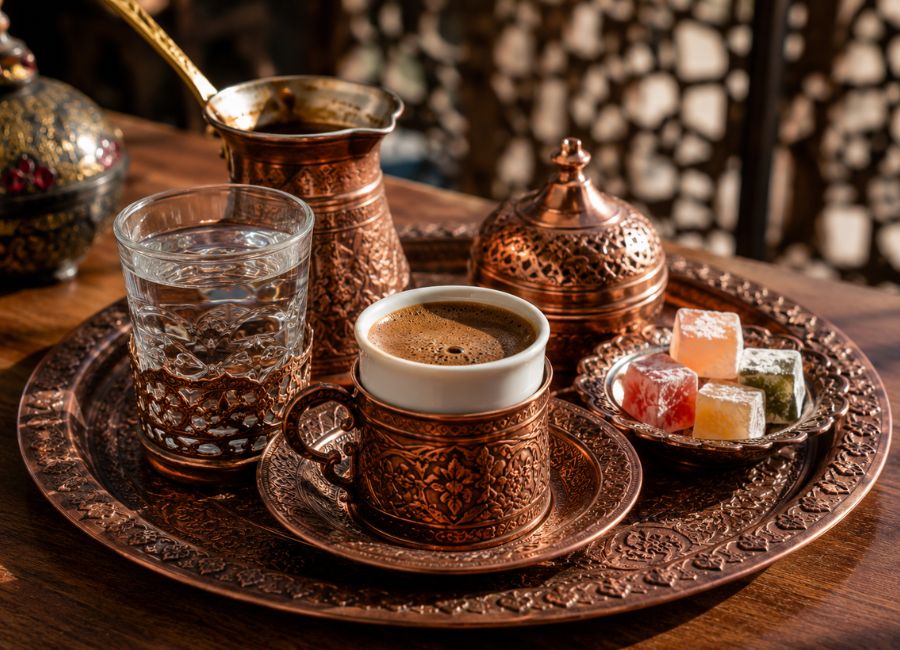
- Pair it mindfully. Traditionally served with water and sometimes Turkish delight, this pairing helps balance the strong flavor.
- Avoid drinking on an empty stomach. Since Turkish coffee is quite strong, having a light snack beforehand can prevent digestive discomfort.
- Mind the grounds. Because the coffee is unfiltered, sip slowly and stop before reaching the thick sediment at the bottom.
Who Should Be Cautious
Although the Turkish coffee benefits are notable, certain travelers should exercise extra caution. Individuals sensitive to caffeine, those with certain cardiovascular conditions, or pregnant travelers should consult a healthcare provider before making this beverage a regular part of their trip.
Nevertheless, for most healthy adults, moderate consumption fits comfortably within a balanced travel routine.
Why Turkish Coffee Deserves a Place on Every Travel Itinerary
Ultimately, the appeal of Turkish coffee benefits lies in the combination of health value, sensory richness, and cultural depth. Unlike a quick espresso shot consumed on the go, this tradition invites travelers to pause, connect, and engage with a destination on a deeper level.
Additionally, as more travelers seek meaningful, immersive experiences rather than simple sightseeing, coffee culture tourism continues to grow in popularity. Because of this, destinations known for their traditional coffeehouses are increasingly featured in curated travel guides and cultural itineraries.
A Growing Trend in Experiential Travel
Experiential travel, meaning trips built around authentic, hands-on cultural participation, has made traditions like Turkish coffee preparation especially relevant. Travelers no longer want to simply observe a culture; they want to taste, prepare, and understand it firsthand.
As a result, tour operators across Turkey now offer:
- Hands-on coffee brewing workshops.
- Guided historical tours of coffeehouse districts.
- Coffee-and-culture pairings with traditional music or storytelling.
These offerings reinforce why the Turkish coffee benefits are just as much about cultural enrichment as they are about health.
How Turkish Coffee Compares to Other Traditional Coffees Around the World

To fully appreciate the Turkish coffee benefits, it helps to see how this brewing method stacks up against other traditional coffee cultures travelers might encounter on their journeys.
Turkish Coffee vs. Espresso
Espresso is brewed quickly under pressure, producing a concentrated shot in seconds. Turkish coffee, on the other hand, is simmered slowly, allowing flavors to develop gradually. As a result, the two beverages differ significantly in texture, intensity, and the overall drinking experience, even though both pack a strong caffeine punch in a small serving.
Turkish Coffee vs. Arabic Coffee
Arabic coffee, often flavored with cardamom and served in small handleless cups, shares cultural similarities with Turkish coffee, particularly around hospitality customs. However, Turkish coffee tends to be thicker and sweeter, since sugar is typically added during brewing rather than left to the drinker’s discretion. Both traditions, nevertheless, emphasize the same values of generosity and connection that make the Turkish coffee benefits so meaningful for travelers.
Turkish Coffee vs. Filtered Coffee
Filtered coffee removes most of the natural oils and fine particles during brewing. Turkish coffee retains them, which is precisely why its flavor profile is richer and why some of its antioxidant properties remain more concentrated. Understanding this distinction helps travelers make informed choices when comparing coffee experiences across different regions. While coffee holds a special place in Turkish culture, Turkish tea is equally important in everyday life. Read our Turkish Tea Guide to discover why tea is Turkey’s most popular daily drink.
Turkish Coffee Etiquette Every Traveler Should Know
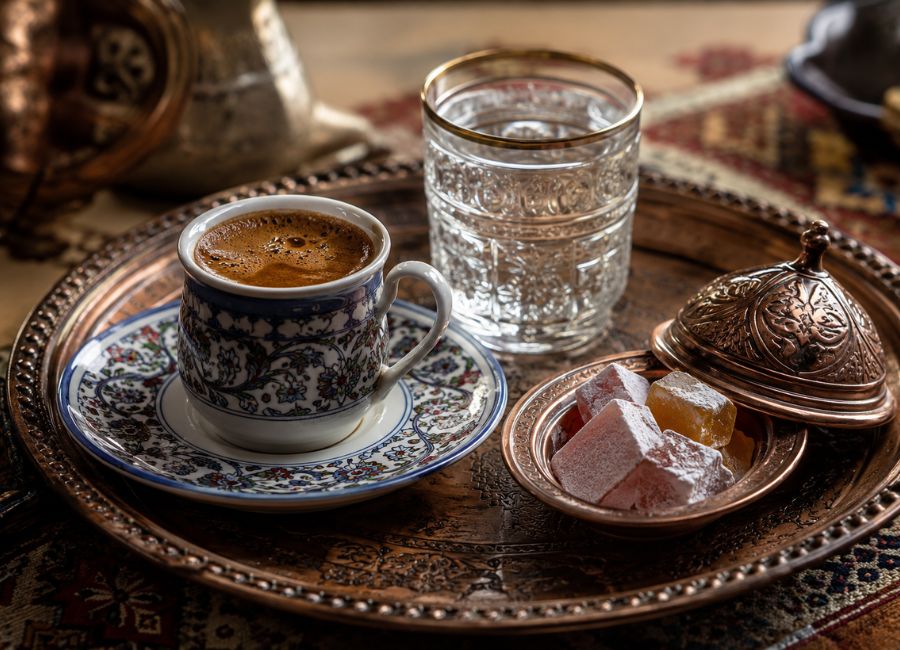
Beyond the health and cultural angles, there’s also a social etiquette surrounding this beverage that travelers should understand before visiting a local home or traditional coffeehouse. Respecting these customs not only shows cultural sensitivity but also deepens the overall experience of enjoying the Turkish coffee benefits firsthand.
Serving and Receiving Coffee
Traditionally, coffee is served to guests as a sign of hospitality, so declining it outright can sometimes be seen as impolite. Instead, travelers are encouraged to accept at least a small cup, even if they don’t finish it entirely.
The Fortune-Telling Custom
After the coffee is finished, many hosts will offer to read the patterns left by the grounds in the cup, a playful tradition known as tasseography. While it’s meant purely as light-hearted fun rather than genuine prediction, participating in this custom is a wonderful way for travelers to bond with locals.
Timing Matters
Turkish coffee is rarely rushed. It’s typically enjoyed slowly, often accompanied by conversation, making it more of a social event than a quick beverage stop. Travelers who understand this pacing will find themselves far more immersed in the local rhythm of daily life.
Common Misconceptions About Turkish Coffee Benefits
As interest in this tradition grows, several misconceptions have also emerged. Clarifying these helps travelers approach the beverage with realistic expectations.
- Misconception 1: More caffeine means more benefits. In reality, moderation is what unlocks the true Turkish coffee benefits, since excessive consumption can lead to jitteriness or sleep disruption.
- Misconception 2: It’s the same as espresso, just stronger. While both are concentrated, the brewing method, texture, and cultural context differ substantially.
- Misconception 3: The grounds should always be consumed. In fact, drinking the thick sediment at the bottom is generally discouraged and can cause digestive discomfort.
- Misconception 4: It’s unhealthy because it’s unfiltered. While moderation is advised, many of the antioxidant-related Turkish coffee benefits actually stem from this exact unfiltered preparation style.
Addressing these misconceptions ensures travelers can enjoy the tradition responsibly, without unnecessary worry or exaggerated expectations.
Conclusion
In summary, the Turkish coffee benefits go far beyond a simple caffeine boost. From antioxidant-rich brewing methods to a centuries-old social ritual recognized by UNESCO, this beverage offers travelers a rare combination of wellness value and cultural immersion. Beyond the taste itself, it represents a window into hospitality, patience, and shared connection that few other travel experiences can match.
Whether you’re sipping a cup in a historic Istanbul coffeehouse or learning to brew it yourself during a guided workshop, the experience reflects something deeper than a trend. It’s a living tradition worth understanding and respecting. Therefore, next time you’re planning a trip through Turkey or a neighboring region, make time to slow down, share a cup, and experience these benefits firsthand. Even a single cup, shared with the right company, can leave a lasting impression long after the trip itself has ended.
Ready to plan your next journey? Consider building an itinerary around authentic coffeehouses, cultural workshops, and local guides who can walk you through this remarkable tradition, because the best travel experiences are often found at the bottom of a small, unfiltered cup of freshly brewed Turkish coffee.
FAQs
Is Turkish coffee stronger than regular coffee?
Yes, it’s more concentrated since it’s unfiltered and finely ground, though cup sizes are much smaller, so total caffeine intake stays comparable.
How many cups can I safely drink per day?
Most healthy adults can enjoy one to two small cups daily and still experience the Turkish coffee benefits without excess caffeine.
Does Turkish coffee raise cholesterol?
Because it’s unfiltered, frequent heavy consumption may affect cholesterol markers in some people, so moderation is recommended.
Can I drink it on an empty stomach?
It’s best avoided, as the strong brew can cause digestive discomfort; pairing it with a light snack is advisable.
Where can travelers try authentic Turkish coffee?
Istanbul, Gaziantep, and Izmir all offer traditional coffeehouses and cultural workshops centered on this heritage.
Is Turkish coffee suitable for beginners who don’t like strong coffee?
It can be an adjustment at first, since the flavor is bold and the texture is thicker than filtered coffee. However, ordering it with extra sugar, known locally as şekerli, can make it more approachable for newcomers while still allowing them to experience the core Turkish coffee benefits.
What’s the best time of day to drink it while traveling?
Many locals enjoy it in the morning or after meals, particularly lunch and dinner. Avoiding it too close to bedtime is generally recommended, since its caffeine content can affect sleep quality for sensitive individuals.
Do I need special equipment to make it at home after traveling?
A small cezve pot and finely ground coffee are really all that’s required. Many travelers purchase these items directly from local markets, allowing them to recreate the ritual and continue enjoying the Turkish coffee benefits long after their trip ends.