

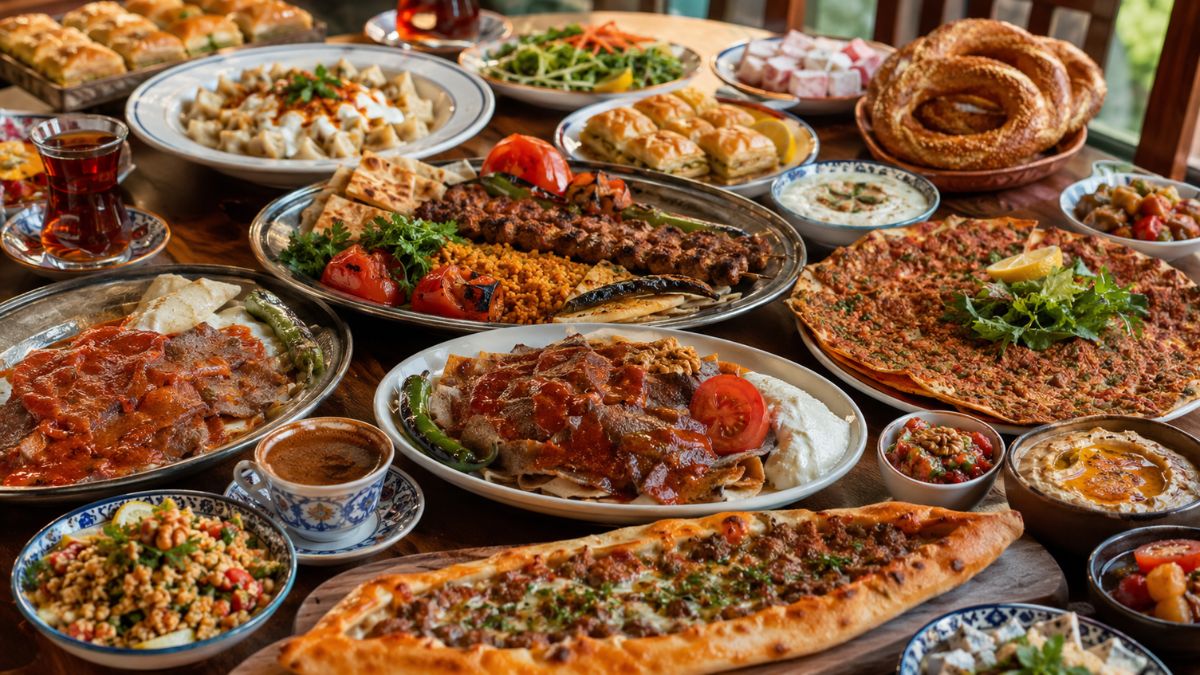
Turkey sits at the crossroads of Europe and Asia, and this unique geographic position has shaped one of the most diverse and flavorful cuisines in the world. When people talk about global food culture, famous Turkish dishes almost always come up in the conversation, and for good reason. Centuries of Ottoman history, trade routes, and regional traditions have combined to create a cuisine that is bold, aromatic, and deeply satisfying. In this article, we will explore the most famous Turkish dishes, their origins, ingredients, and why they continue to win hearts across the globe.
Why Turkish Cuisine Deserves Global Recognition
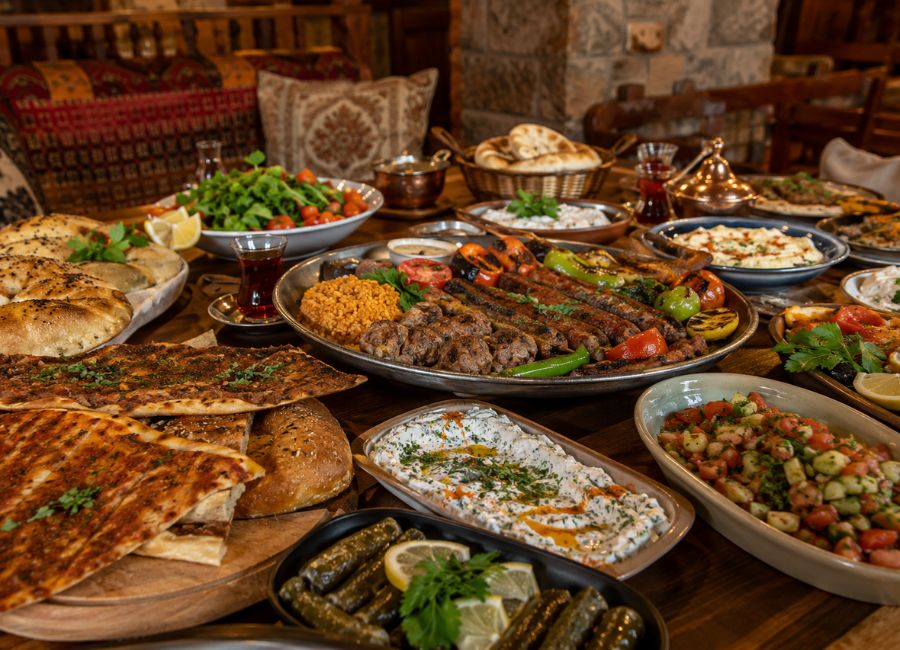
Before diving into the list of famous Turkish dishes, it’s worth understanding why Turkish food has earned such a strong reputation. Turkish cuisine is not a single style of cooking; it is a blend of Central Asian, Middle Eastern, Mediterranean, and Balkan influences. This mix gives famous Turkish dishes their unmistakable character, combining grilled meats, fresh vegetables, yogurt-based sauces, and fragrant spices in ways that few other cuisines manage to achieve.
Turkish chefs take pride in using fresh, seasonal ingredients, and this dedication to quality is one of the main reasons famous Turkish dishes taste so authentic no matter where in the world they are prepared. Whether you are sitting in a small street-side eatery in Istanbul or a fine dining restaurant in Ankara, the flavors remain rooted in tradition.
1. Kebabs: The Backbone of Famous Turkish Dishes
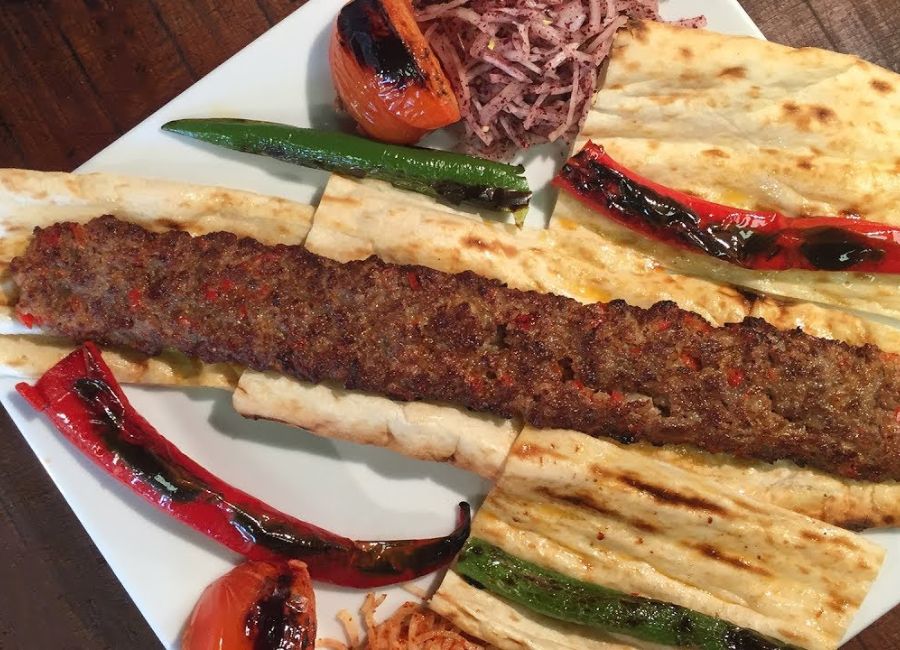
No discussion of famous Turkish dishes is complete without mentioning kebabs. The word “kebab” itself often brings Turkey to mind, and rightly so. There are countless varieties, but a few stand out as true classics.
Adana Kebab is a spicy minced meat kebab named after the city of Adana in southern Turkey. It is made from hand-chopped lamb mixed with red pepper and grilled over charcoal on wide skewers. The smoky flavor combined with the heat of the spices makes it one of the most famous Turkish dishes served in restaurants worldwide.
Shish Kebab (Şiş Kebap) is perhaps the most internationally recognized of all famous Turkish dishes. Cubes of marinated meat, usually lamb or chicken, are skewered with vegetables and grilled to perfection. The simplicity of this dish is exactly what makes it so beloved.
Iskender Kebab takes things a step further by layering thin slices of doner meat over pieces of bread, then topping it with tomato sauce, melted butter, and yogurt. This dish originated in Bursa and remains one of the richest and most indulgent famous Turkish dishes you can order.
2. Meze: Small Plates, Big Flavor
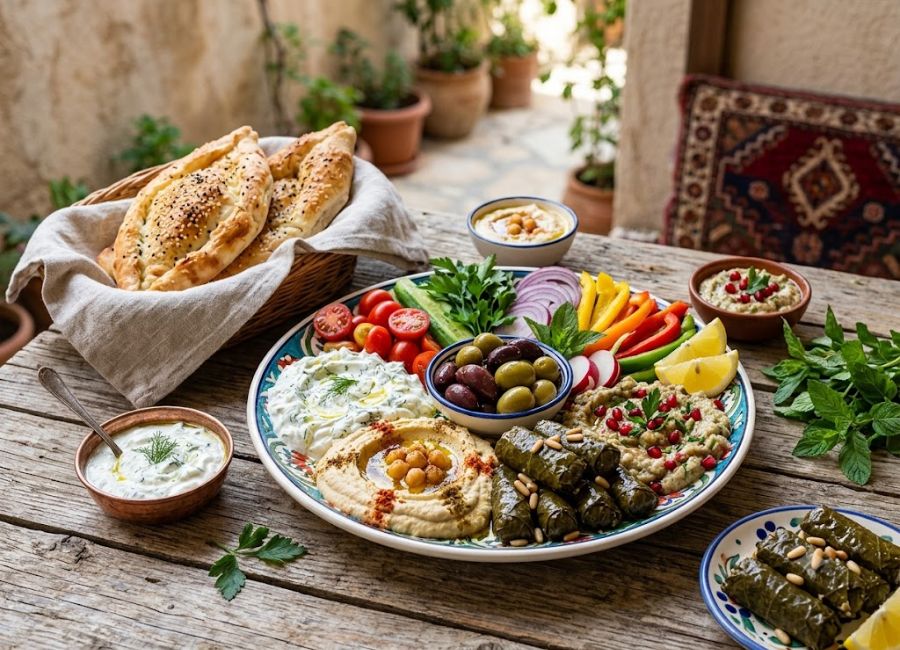
Turkish meals often begin with meze, a selection of small dishes served before the main course. Meze plates are essential to Turkish dining because they showcase the variety and creativity of Turkish cooking in bite-sized portions.
Common meze items include hummus, baba ganoush, dolma (stuffed grape leaves), and haydari (a thick yogurt dip with garlic and herbs). These appetizers are typically enjoyed with warm bread and are a staple at any gathering. Meze culture reflects the social nature of Turkish dining, where sharing food is just as important as the dishes themselves.
3. Pide: The Turkish Flatbread

Pide is often described as Turkish-style pizza, though it has its own distinct identity. This boat-shaped flatbread is topped with cheese, minced meat, spinach, or eggs, then baked in a stone oven until the edges turn golden and crispy. Pide holds a special place in Turkish cuisine because it represents comfort food at its finest, popular with families and street vendors alike.
Different regions of Turkey have their own take on pide, with the Black Sea region famous for its cheese-and-butter version, while other areas prefer minced meat or vegetable toppings. Regardless of the variation, pide remains one of the most ordered items in casual dining settings.
4. Lahmacun: Turkey’s Thin-Crust Delight
Lahmacun is another dish that frequently appears on lists of top Turkish specialties. Sometimes called Turkish pizza, lahmacun is a thin, crispy dough topped with minced meat, onions, tomatoes, and a blend of spices. Unlike pide, lahmacun is thinner and crispier, and it is traditionally rolled up with fresh parsley, lettuce, and a squeeze of lemon before eating.
This dish is affordable, quick to prepare, and packed with flavor, which explains why it has become a favorite street food not just in Turkey but in many countries with Turkish communities. Its popularity abroad has helped cement its place among the most exported famous Turkish dishes.
5. Manti: Turkish Dumplings
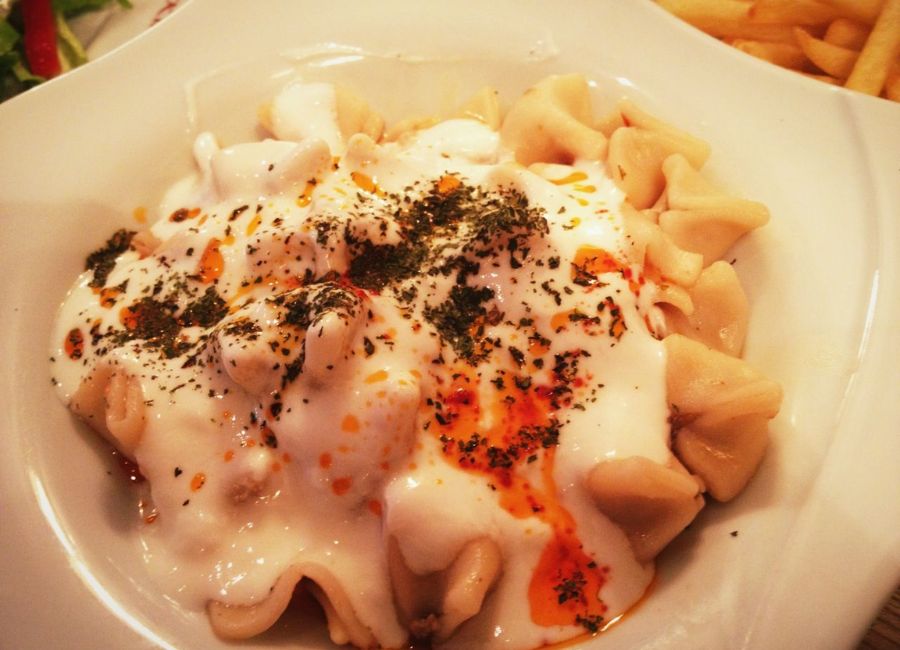
Manti is often compared to ravioli or dumplings found in other cuisines, but the Turkish version has its own signature style. Small dumplings filled with seasoned minced meat are boiled and then topped with garlic yogurt sauce, melted butter, and a sprinkle of dried mint or red pepper flakes.
Making manti is a labor-intensive process, often done by hand in family kitchens, which adds to its cultural significance. Among Turkey’s culinary treasures, manti stands out as a dish tied closely to tradition, hospitality, and generational recipes passed down through families.
6. Börek: Layers of Flaky Perfection
Börek is a pastry dish made from thin sheets of dough called yufka, layered with fillings such as cheese, spinach, or minced meat, then baked or fried until golden and crispy. This dish is enjoyed at breakfast, as a snack, or as part of a larger meal.
Börek’s versatility is part of why it remains one of the most consistently popular dishes across generations. Whether it’s a simple cheese börek from a bakery or an elaborate homemade version, this pastry never fails to satisfy.
7. Çorba: Turkish Soups
Soup plays an important role in Turkish dining culture, and several soups have earned their place among famous Turkish dishes. Lentil soup (Mercimek Çorbası) is perhaps the most iconic, made with red lentils, onions, and a touch of cumin, often finished with a squeeze of lemon.
Tripe soup (İşkembe Çorbası) is another well-known option, especially popular as a late-night meal after a long evening out. While it may not appeal to every palate, its cultural significance in Turkey cannot be overstated, making it a notable entry among the dishes enjoyed daily by locals.
8. Baklava: The Sweet Ending

When people think of Turkish desserts, baklava is usually the first name that comes to mind. This dessert is made from layers of thin pastry filled with chopped nuts, sweetened with syrup or honey. Baklava is arguably one of the most famous Turkish dishes in the dessert category, recognized and loved far beyond Turkey’s borders.
Gaziantep, a city in southeastern Turkey, is particularly renowned for producing the finest baklava, using pistachios sourced from the surrounding region. The precision required to layer the dough and achieve the perfect crunch is what separates great baklava from an average one.
9. Turkish Delight (Lokum)
Turkish Delight, known locally as lokum, is a soft, chewy candy often flavored with rosewater, lemon, or pomegranate, and dusted with powdered sugar. This treat has been enjoyed for centuries and remains one of the most exported sweets in the confectionery world.
Turkish Delight makes an excellent gift and is commonly found in bazaars across Istanbul, where vendors offer a wide range of flavors and nut combinations. Its cultural symbolism as a gesture of hospitality adds another layer of meaning to this simple sweet.
10. Künefe: A Cheese Dessert Like No Other
Künefe is a warm dessert made from shredded phyllo dough, layered with cheese, and soaked in sweet syrup. Served hot, often with a scoop of ice cream on the side, künefe combines the richness of melted cheese with the sweetness of syrup in a way that surprises first-time tasters.
Originating from the city of Hatay, künefe has grown into one of the most requested desserts in Turkish menus, particularly during Ramadan and other festive occasions.
11. Simit: Turkey’s Street Food Staple
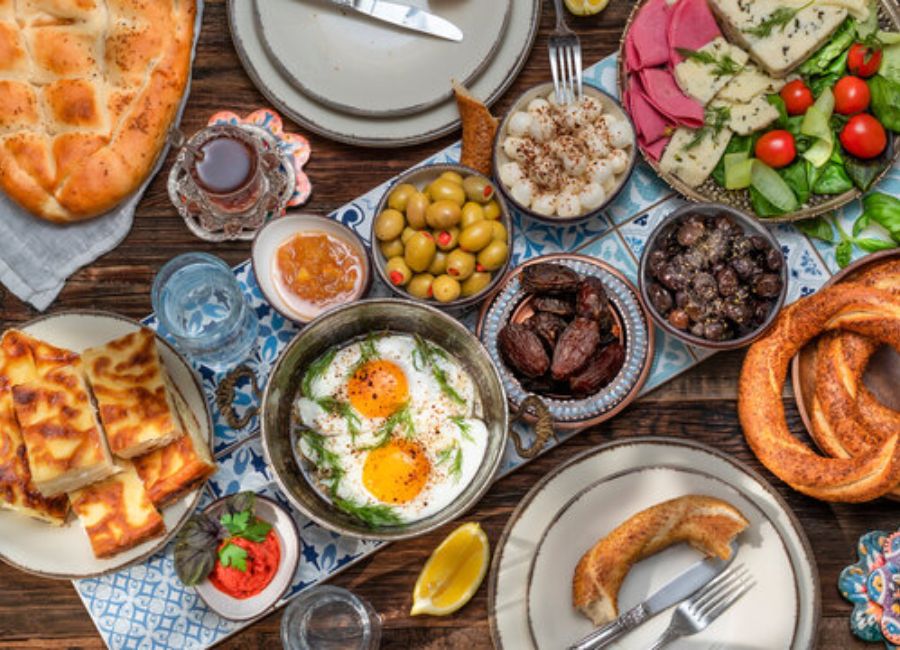
Simit is a circular bread coated in sesame seeds, often compared to a bagel but with its own distinct crunch and flavor. Sold by street vendors across Turkey, simit is typically eaten for breakfast alongside tea, cheese, or jam.
While it may seem like a simple bread, simit’s widespread popularity and cultural presence make it one of the most recognizable breads tied to everyday life rather than special occasions.
12. Turkish Tea and Coffee Culture
No list of famous Turkish dishes would be complete without mentioning beverages. Turkish tea (çay) is served in small tulip-shaped glasses and is a central part of daily social life. Turkish coffee, on the other hand, is thick, strong, and traditionally served with a piece of Turkish Delight on the side.
Turkish coffee even has UNESCO recognition as part of the country’s intangible cultural heritage, further proving how deeply food and drink are woven into Turkish identity alongside other beloved regional specialties.
13. Dolma: Stuffed Vegetables and Grape Leaves
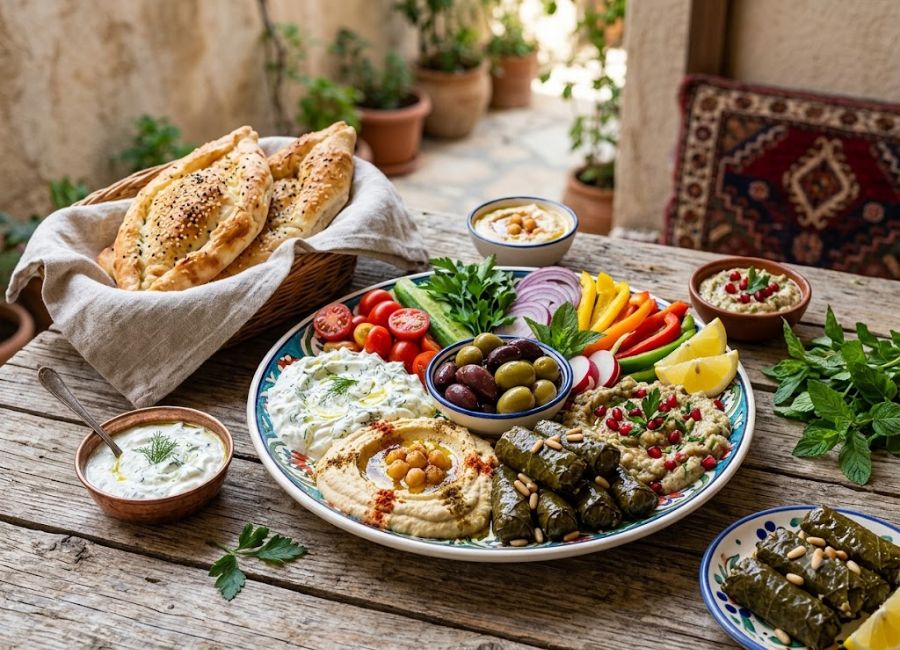
Dolma refers to a group of dishes where grape leaves or vegetables like peppers, tomatoes, and zucchini are stuffed with rice, herbs, and sometimes minced meat. The rice-only version is often served cold as part of a meze spread, while the meat-filled version is served warm as a main course.
This dish requires patience, since each leaf or vegetable is stuffed by hand. Dolma remains a staple at family gatherings and is one of the dishes most associated with home cooking in Turkey.
14. Kısır: A Refreshing Bulgur Salad
Kısır is a cold salad made from fine bulgur wheat mixed with tomato paste, lemon juice, olive oil, and fresh herbs like parsley and mint. Pomegranate molasses is often added for a tangy sweetness that balances the dish.
This salad is light, healthy, and commonly served as part of a meze spread or as a side dish. Kısır shows the lighter, vegetable-forward side of Turkish cooking.
15. Testi Kebabı: Pottery Kebab
Testi kebabı is a unique dish where meat and vegetables are cooked slowly inside a sealed clay pot. The pot is often cracked open at the table, releasing a burst of steam and aroma before serving.
This dramatic presentation makes testi kebabı a favorite at restaurants in Cappadocia, where the dish is believed to have originated. The slow cooking process inside the clay pot gives the meat a tender texture and rich, concentrated flavor.
Regional Variations Worth Exploring
Turkey is a large country, and its cuisine varies significantly by region. The Aegean region favors olive oil-based dishes and fresh vegetables, while the eastern regions lean toward heavier meat dishes and dairy products. The Black Sea coast is known for its corn-based dishes and anchovy recipes, adding even more diversity to the already impressive catalog of national favorites.
Exploring these regional differences gives food lovers a deeper appreciation for how geography and history have shaped Turkey’s culinary identity.
How to Experience Famous Turkish Dishes Outside Turkey
With the growing popularity of Turkish restaurants worldwide, it has become easier than ever to try famous Turkish dishes without traveling to Turkey. If you are planning a food-focused trip, following a well-planned Turkey itinerary can help you experience these authentic dishes in different regions of the country. Many major cities now have dedicated Turkish restaurants offering kebabs, meze platters, and desserts like baklava and künefe.
For those who want an authentic experience, seeking out family-run Turkish restaurants often yields the most genuine results, as recipes passed down through generations tend to preserve the true essence of these recipes better than mass-produced versions.
The Role of Spices and Herbs in Famous Turkish Dishes
One reason famous Turkish dishes taste so distinctive is the careful use of spices and herbs. Cumin, sumac, dried mint, red pepper flakes, and paprika appear again and again across Turkish cooking, adding depth without overpowering the natural taste of the ingredients. Sumac, in particular, gives a tangy, lemony note that pairs beautifully with grilled meats and salads, while dried mint is sprinkled over soups and yogurt dishes for a refreshing finish.
Garlic and yogurt also deserve special mention, since they form the base of countless sauces served alongside classics like manti and iskender kebab. The balance between creamy, tangy yogurt and warm, earthy spices is a hallmark of Turkish cooking, and it’s this balance that keeps people coming back for more.
Olive oil is another defining ingredient, especially in dishes from the Aegean coast. Vegetables cooked slowly in olive oil, known as zeytinyağlı dishes, offer a lighter counterpart to the heavier meat-based dishes found elsewhere in the country. Stuffed peppers, green beans, and artichokes prepared this way show a different, more delicate side of Turkish cuisine that still deserves recognition alongside the more widely known dishes.
Turkish Breakfast: A Feast on Its Own
A traditional Turkish breakfast, or kahvaltı, is an experience in itself and deserves mention when talking about the country’s culinary identity. A typical spread includes cheese, olives, tomatoes, cucumbers, honey, jam, clotted cream (kaymak), and freshly baked bread, all served with hot tea. This style of breakfast is meant to be leisurely, often stretching over an hour or more with family or friends.
Menemen, a dish made from eggs scrambled with tomatoes, peppers, and spices, is another breakfast favorite that regularly appears on morning menus across the country. It’s simple, filling, and endlessly customizable depending on regional preferences and personal taste.
The Cultural Importance of Hospitality in Turkish Dining
Food in Turkey is never just about eating; it’s about connection. Guests are frequently offered more food than they can finish, and refusing a second helping can sometimes be seen as impolite. This generosity is deeply tied to how meals are prepared and served, with large portions and shared plates encouraging conversation and togetherness at the table.
Weddings, religious holidays, and family gatherings all revolve around elaborate spreads featuring multiple famous Turkish dishes, from savory börek to sweet baklava. Understanding this cultural context adds another dimension to appreciating why these dishes have remained so beloved for centuries.
Tips for Cooking Famous Turkish Dishes at Home
For those inspired to recreate famous Turkish dishes in their own kitchen, a few basics can make a big difference. Investing in good quality olive oil, fresh herbs, and proper spices like sumac and Aleppo pepper will elevate even simple recipes. Yogurt should be full-fat and strained when possible, since this thicker consistency is closer to what’s traditionally used in Turkey.
Patience also matters. Dishes like manti and baklava require careful, sometimes time-consuming preparation, but the results are well worth the effort. Starting with simpler recipes like menemen or lentil soup can help build confidence before moving on to more elaborate famous Turkish dishes such as iskender kebab or künefe.
Conclusion
Turkish cuisine offers something for everyone, from smoky grilled meats to delicate pastries and rich desserts. The famous Turkish dishes discussed in this article represent just a fraction of what Turkey has to offer, but they provide an excellent starting point for anyone eager to explore this incredible culinary tradition.
Whether you are drawn to the smoky richness of kebabs, the comforting warmth of soups, or the indulgent sweetness of baklava and künefe, famous Turkish dishes have a way of leaving a lasting impression on anyone who tries them. As global interest in authentic, flavorful food continues to grow, it’s no surprise that Turkish cuisine, with its famous Turkish dishes at the forefront, continues to earn admiration from food lovers around the world.
FAQs
What is the most famous Turkish dish?
Kebabs, especially Adana and Iskender kebab, are often considered the most famous Turkish dishes internationally, though baklava rivals them in recognition on the dessert side.
Are Turkish dishes spicy?
Not all famous Turkish dishes are spicy. While Adana kebab carries some heat from red pepper, many dishes rely more on herbs like mint and cumin than on chili-based spice.
What should vegetarians try?
Vegetarians can enjoy several famous Turkish dishes such as stuffed vegetables cooked in olive oil, lentil soup, and various meze plates like hummus and dolma made without meat filling.
Is Turkish food similar to Greek or Middle Eastern food?
There are overlaps due to shared history, but famous Turkish dishes have their own distinct preparation methods, spice combinations, and presentation styles that set them apart from neighboring cuisines.