

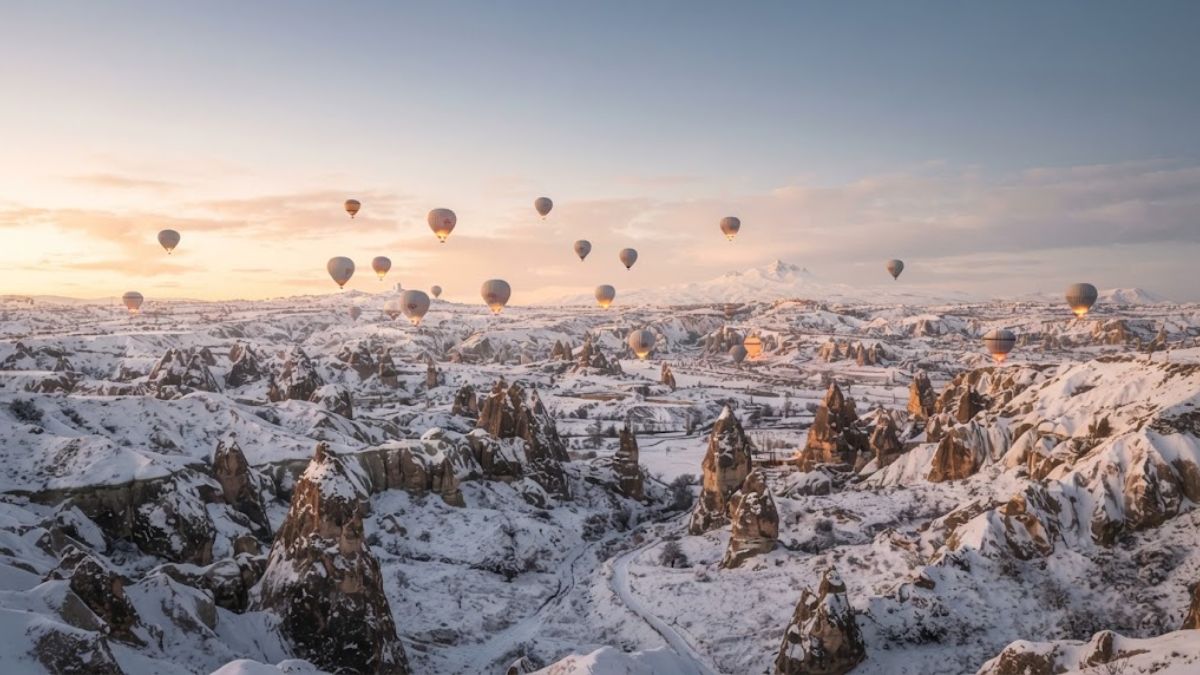
15 Best Things to Do in Turkey in Winter: this guide covers exactly that, from where to go and what to see to what the weather actually feels like and how to plan the trip realistically. Turkey looks completely different once the crowds leave and the temperature drops. Istanbul’s streets are quieter, hot air balloons still fly over snow-covered Cappadocia on calm mornings, and hotel prices across the country come down.
This isn’t a generic list copied from a dozen other blogs. Every one of these 15 best things to do in Turkey in winter is something you can actually build a day around, with notes on timing, cost expectations, and who each experience suits best.
What Winter in Turkey Actually Feels Like
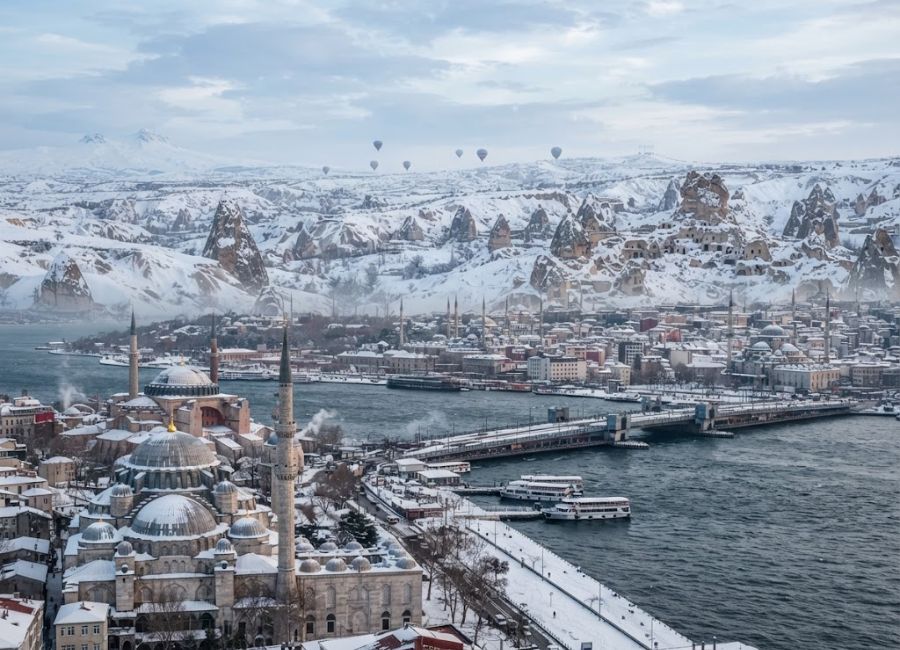
Turkey is a big country, and winter doesn’t look the same everywhere. Understanding this before you book flights will save you from packing the wrong clothes or picking the wrong city.
Istanbul and the coastal cities (Izmir, Antalya, Bodrum): Mild and damp rather than freezing. Istanbul usually sits between 4°C and 10°C (39°F to 50°F) in December and January, with regular rain and the occasional light snow flurry. Antalya and the southern coast stay noticeably warmer, sometimes reaching the mid-teens (Celsius) on sunny days.
Cappadocia: This is where winter feels real. Nights regularly drop below freezing, and snow is common from December through February. It’s also when the region looks its most photogenic, with the fairy chimneys dusted in white.
Ankara and Central Anatolia: Cold and dry, with temperatures often close to or below 0°C (32°F). Snow is frequent here too.
Eastern Anatolia (Erzurum, Kars): This is proper winter, with heavy snowfall, sub-zero temperatures, and this is where Turkey’s ski resorts operate.
Because the range is so wide, part of planning a winter trip to Turkey is deciding which version of winter you want: mild and rainy on the coast, or crisp and snowy inland. Most travelers doing the classic route of Istanbul plus Cappadocia will experience both within the same week, which is exactly why packing correctly matters more than people expect.
Daylight is also shorter than most visitors plan for. Sunset in Istanbul in December comes as early as 5 p.m., so if you’re building an itinerary around this list of 15 best things to do in Turkey in winter, it helps to schedule outdoor sightseeing earlier in the day and save museums, hammams, or dinners for the evening.
For planning your trip around weather and crowds, check the best time to go to Turkey.
What to Wear in Turkey During Winter
Layering is the key idea, since indoor spaces are heated but you’ll be walking outdoors a fair amount.
- A warm, waterproof coat (Istanbul rain is frequent)
- Thermal base layers if you’re heading to Cappadocia, Ankara, or the east
- Comfortable, waterproof walking shoes with good grip, since cobblestones get slippery when wet or icy
- A scarf, gloves, and a hat, especially for early morning balloon rides or mountain areas
- A daypack for layers you’ll take off once inside heated museums or restaurants
If your trip includes both Istanbul and Cappadocia, pack for the colder location and adjust down rather than the other way around. It’s a lot easier to carry a jacket you don’t end up needing in Antalya than to search for a thermal layer in a small Cappadocia town at 9 p.m.
15 Best Things to Do in Turkey in Winter
Here is the main list of the 15 best things to do in Turkey in winter, grouped roughly by region so you can plan a route rather than jumping around the map. Each one includes a note on timing or logistics so you know how to actually fit it into a trip.
1. Watch (or Ride) a Hot Air Balloon Over Cappadocia
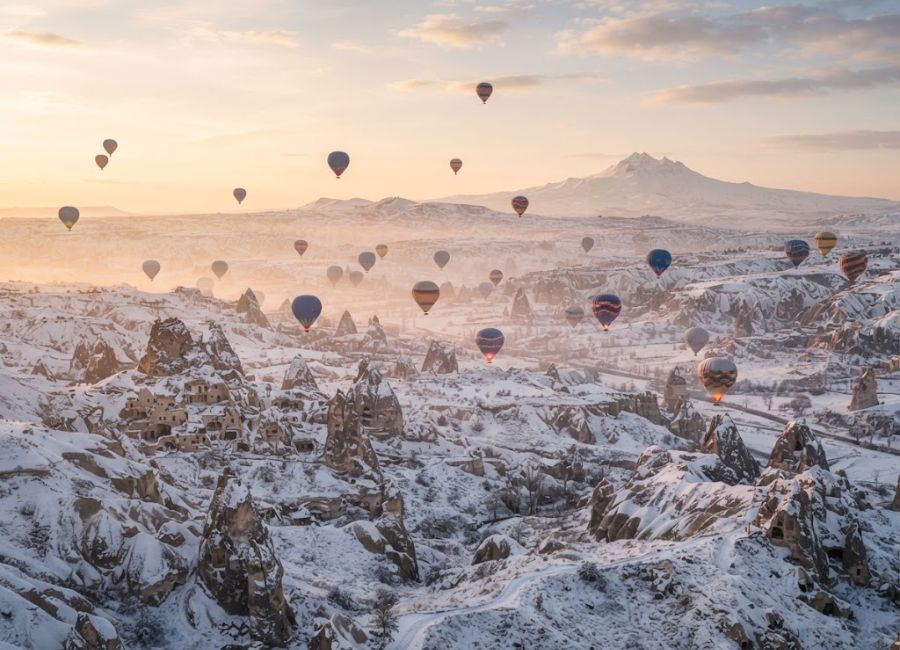
Winter mornings in Cappadocia are often clearer and calmer than summer ones, which actually makes balloon flights more reliable in terms of visibility, even though flights get cancelled more often due to wind. Seeing dozens of balloons rise over snow-covered valleys at sunrise is one of the most photographed moments in the country, and it’s usually the single image people associate with Cappadocia in the first place.
Flights are typically booked the night before, once operators can check the next morning’s forecast, so avoid locking in a fixed departure time from home. Book with flexibility in your schedule, since operators may reschedule if conditions aren’t safe, and give yourself at least two mornings in the region in case the first attempt gets postponed.
2. Explore Istanbul’s Historic Peninsula Without the Crowds
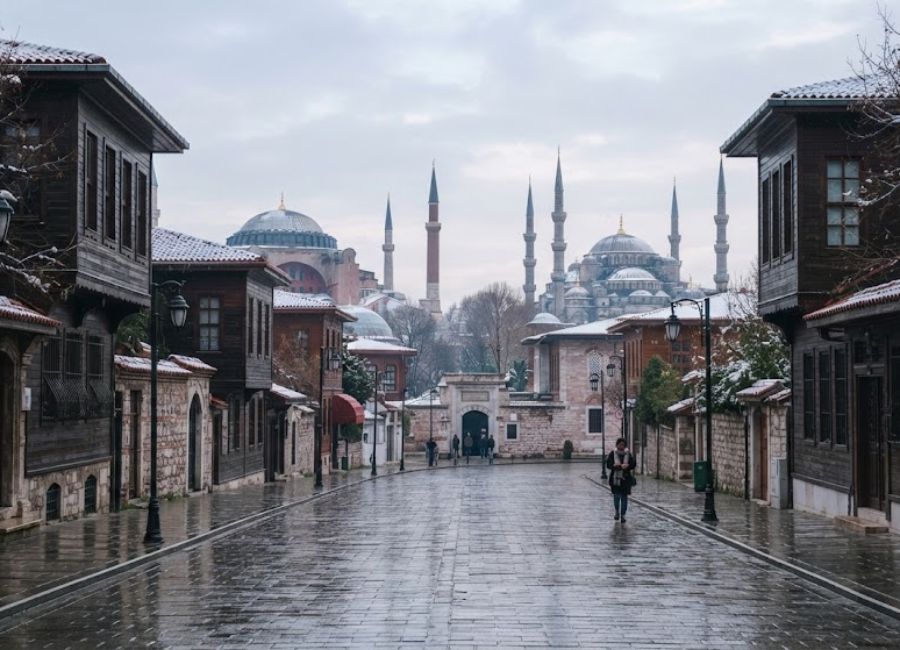
The Hagia Sophia, the Blue Mosque, and Topkapi Palace are all in walking distance of each other, and winter means you can actually take a photo without fifty people in the frame. Lines are shorter, and guided tours are easier to book last minute rather than weeks in advance, which matters if your schedule changes once you’re already there.
Give yourself a full day for this area alone. The Hagia Sophia and Blue Mosque each take under an hour to see properly, but Topkapi Palace, with its treasury and harem sections, is worth two to three hours on its own, and it’s one of the better indoor options when winter rain sets in.
Explore Hagia Sophia, the Blue Mosque, and Topkapi Palace, then discover more things to do in Istanbul during your winter visit.
3. Warm Up Inside the Grand Bazaar and Spice Bazaar
Both are covered and heated, making them ideal on a rainy Istanbul afternoon. Beyond shopping, they’re worth visiting just to see the architecture and try Turkish delight, dried fruit, and spices from local vendors.
4. Visit a Traditional Turkish Hammam
A hot bath and scrub treatment feels a lot better in winter than in July. Historic hammams like Cağaloğlu or Süleymaniye in Istanbul date back centuries and offer a genuinely warming, relaxing break between sightseeing days.
5. Take a Bosphorus Ferry Ride
The public ferry between the European and Asian sides of Istanbul costs very little and gives you skyline views of mosques and palaces along the water. In winter, the ferries are less crowded, and the misty, moody weather often makes for better photos than a clear summer day.
6. Go Underground in Cappadocia’s Cave Cities
Derinkuyu and Kaymaklı are underground cities that stay at a fairly stable temperature year-round, which makes them a comfortable activity on a cold day above ground. They were used historically as refuges during invasions, and walking through the narrow tunnels and ventilation shafts gives a real sense of how entire communities once lived below the surface for extended periods.
Derinkuyu is the larger and more impressive of the two, but it also involves more stooping and narrow passages, so it isn’t the easiest option for anyone with mobility concerns or mild claustrophobia. Kaymaklı is a gentler alternative if you’d rather see the concept without the tightest sections.
If you have more time, explore other things to do in Cappadocia as well.
7. Ski at Uludağ, Palandöken, or Erciyes
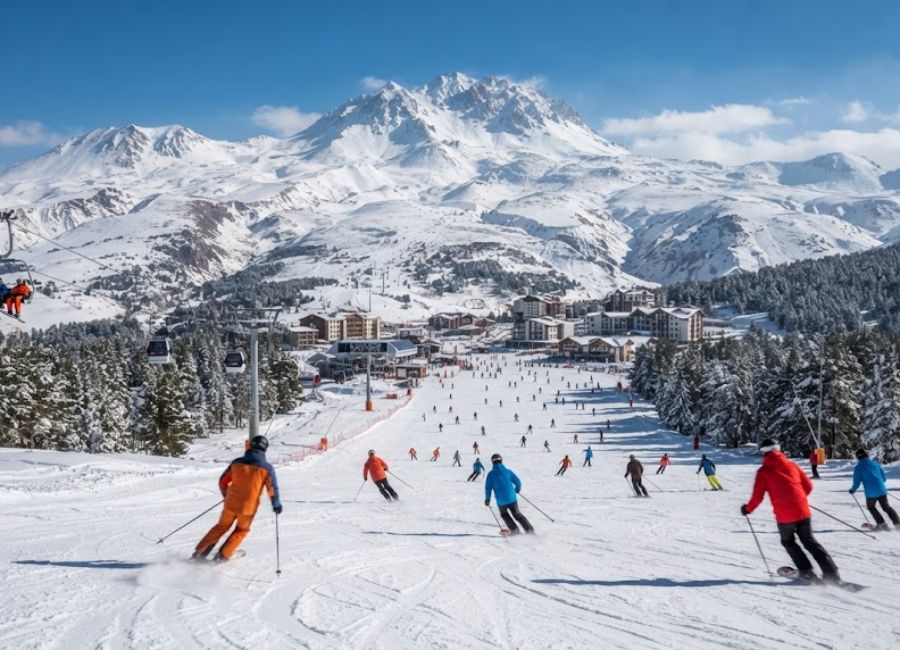
Turkey has legitimate ski resorts, and they’re far less known internationally than European alternatives, which usually means lower prices for lift passes and accommodation. Uludağ, near Bursa, is the most accessible from Istanbul. Palandöken near Erzurum and Erciyes near Kayseri suit travelers looking for longer, more serious runs.
8. Walk Through Göreme Open-Air Museum in the Snow
This UNESCO site holds rock-cut churches with faded Byzantine frescoes. Visiting after a light snowfall adds a layer of atmosphere that summer crowds and heat don’t allow for.
9. Try Cappadocia’s Pottery Towns
Avanos, a short drive from Göreme, is known for pottery made from clay along the Kızılırmak River. Many workshops let you sit down and try the wheel yourself, which works well as an indoor activity when it’s too cold to walk around outside.
10. Soak in the Thermal Pools of Pamukkale
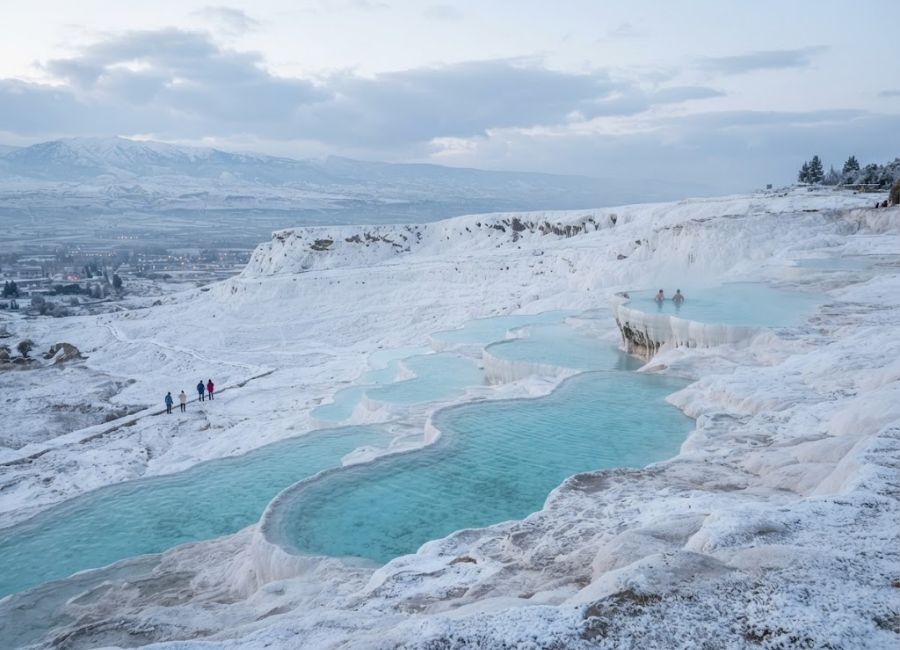
Pamukkale’s white travertine terraces are filled with warm mineral water year-round, and winter is arguably the best time to visit since the site can get uncomfortably crowded and hot in summer. The contrast of stepping into warm water while the air around you is cold is part of the appeal, and the site is far less crowded, which makes it easier to get the terraces without dozens of other visitors in frame.
Nearby Hierapolis, the ancient Roman spa city built around the same thermal springs, is included in the same entry ticket and is worth the extra hour of walking if you’re already there.
11. Eat Seasonal Turkish Winter Food
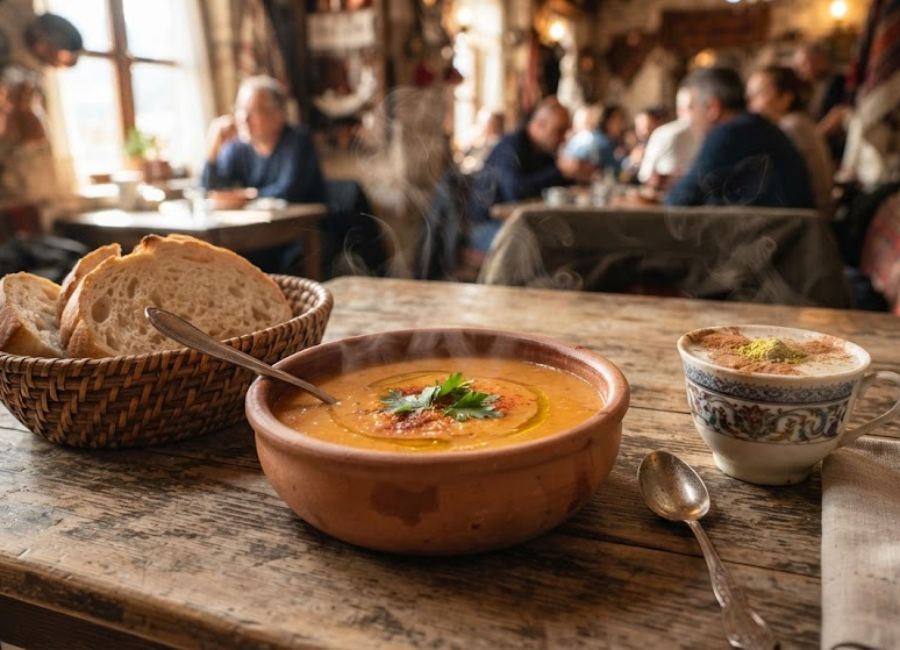
Turkish cuisine has dishes built specifically for cold weather: mercimek çorbası (red lentil soup), kelle paça (a slow-cooked meat soup), and hot salep, a warm drink made from orchid root and cinnamon, sold on street corners in Istanbul. Trying these isn’t just a food experience; it’s part of understanding how locals actually get through winter. You can also try more traditional Turkish dishes during your winter trip.
12. Visit Ephesus With Fewer Tourists
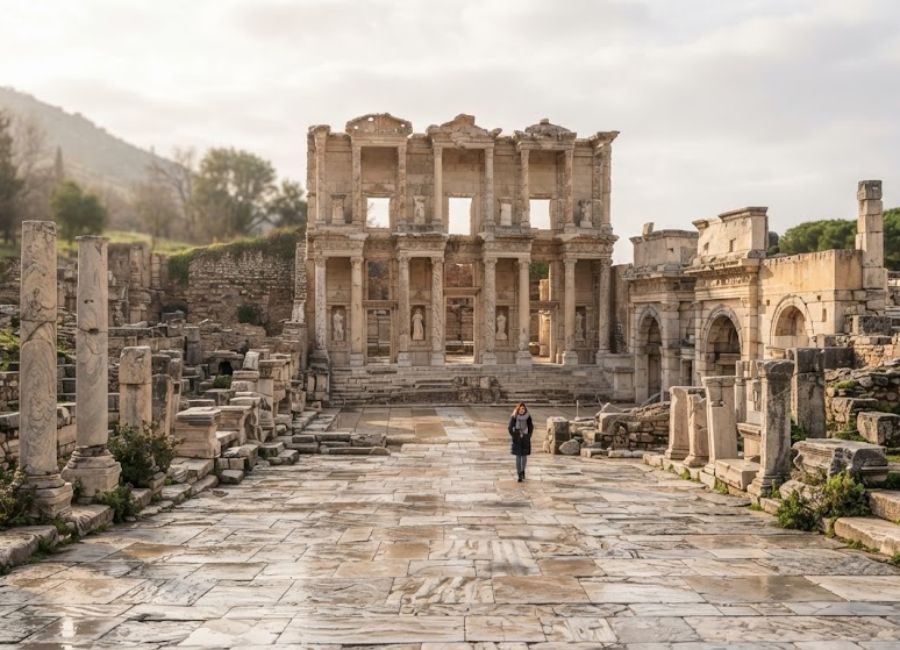
Ephesus, one of the best-preserved ancient cities in the Mediterranean, gets extremely hot and crowded in summer. Winter temperatures on the Aegean coast are mild enough to walk the ruins comfortably, and tour groups are noticeably smaller.
13. Explore Antalya’s Old Town (Kaleiçi)
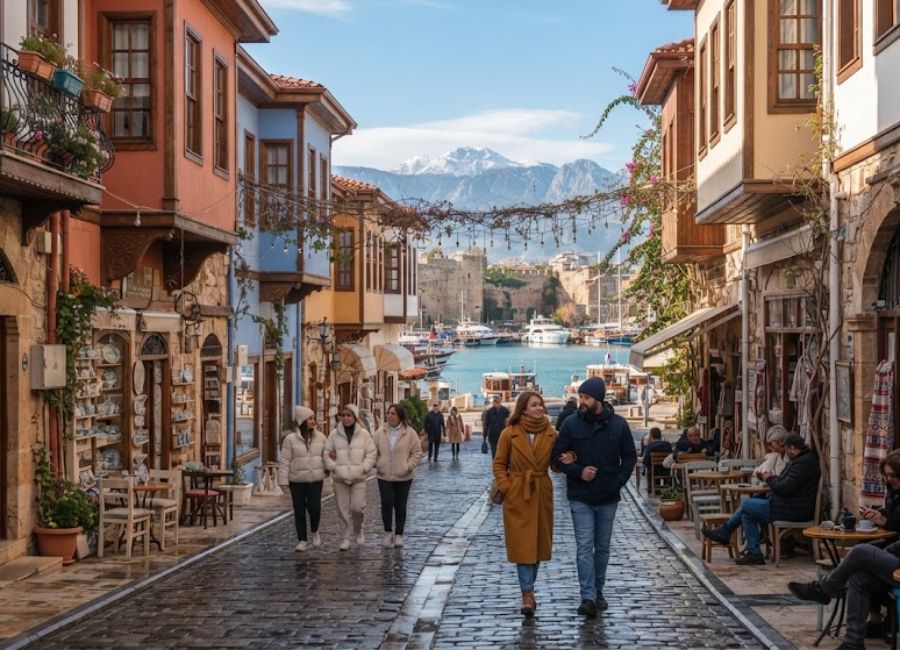
Antalya stays mild through winter, making it a good base if you want some warmth without leaving Turkey. Kaleiçi’s narrow Ottoman-era streets, harbor views, and small cafés are pleasant to wander without the summer heat.
14. See the Whirling Dervishes in Konya
Konya is the home of the Mevlevi order, and watching a Sema ceremony (the whirling dervish ritual) is a cultural experience unrelated to weather, which makes it a solid option regardless of how cold it is outside. Performances are typically held indoors.
15. Visit a Christmas Market or Winter Festival in Istanbul
In recent years, Istanbul has started hosting seasonal markets and winter light displays in areas like Nişantaşı and along Istiklal Street. These aren’t as large as European Christmas markets, but they add a festive layer to an evening walk and are worth checking for current dates before your trip.
How to Fit These Into a Realistic Itinerary
If you only have a week, trying to cover the whole country isn’t realistic, and it isn’t necessary to enjoy this list of 15 best things to do in Turkey in winter. A simple, workable structure looks like this:
- Days 1–3: Istanbul. Cover the historic peninsula, the bazaars, a hammam visit, and a Bosphorus ferry ride. This is also where you’ll adjust to the time zone and get used to the colder, wetter weather.
- Days 4–6: Cappadocia. Fly from Istanbul to Kayseri or Nevşehir (roughly an hour and a half in the air). Use this block for the balloon flight attempt, the underground cities, Göreme, and a pottery workshop in Avanos.
- Day 7 (optional add-on): Pamukkale or Antalya. If you have extra days, flying south for warmer weather and the travertine terraces is a good way to close out the trip on a milder note. For a more detailed route, see this 7-day Turkey itinerary.
Travelers with two weeks can extend this to include Ephesus, Konya, or a ski trip to Uludağ or Palandöken, depending on whether the coast or the mountains interest you more.
Getting Around Turkey in Winter
Domestic flights connect Istanbul to Cappadocia (Kayseri or Nevşehir airports), Antalya, Izmir, and the east fairly cheaply and are the most practical way to cover long distances in a short trip. Buses are comfortable and widely used between cities, though mountain routes (especially toward Kars or Erzurum) can be affected by snow and delayed, so build in a buffer day if you’re connecting onward to a flight. If you’re driving yourself in Cappadocia or the east, check whether your rental includes winter tires, since regulations and road conditions vary by region and season, and some rural roads may close temporarily after heavy snowfall.
Costs and Practical Planning Notes
Budget is one of the biggest reasons people search for 15 best things to do in Turkey in winter in the first place. Winter is Turkey’s low season for tourism, which generally means lower hotel rates, especially for Cappadocia’s cave hotels that charge a premium in spring and summer. That said, some things to keep in mind:
- Hot air balloon flights can be cancelled or delayed for wind, more often in winter than in summer, so avoid scheduling your only balloon flight on your last morning.
- Some outdoor attractions, boat tours, and rural sites reduce their hours or close entirely in the off-season, so check current opening times before finalizing your itinerary.
- Prices for flights, hotels, and entry tickets change from year to year, so treat any specific numbers you find online, including in this article, as a rough guide rather than a fixed figure, and confirm current rates closer to your travel dates.
Who Should Visit Turkey in Winter
Not every traveler will enjoy this list of 15 best things to do in Turkey in winter equally, so it helps to be honest about what kind of trip you want before booking.
Good fit if you:
- Want lower prices on flights and hotels
- Prefer fewer tourists at major sites like Hagia Sophia or Ephesus
- Don’t mind cold weather or occasional snow in exchange for atmosphere
- Are interested in skiing, which isn’t an option in warmer months
Maybe reconsider if you:
- Are traveling specifically for beach time (the Aegean and Mediterranean coasts are too cold for swimming)
- Have limited mobility on icy or wet cobblestone streets, common in Istanbul’s old town and Cappadocia’s uneven paths
- Want to guarantee a hot air balloon flight on a fixed date, since winter weather cancellations are more frequent
Final Thoughts
Working through this list of 15 best things to do in Turkey in winter should make one thing clear: a winter trip to Turkey isn’t a compromise version of a summer trip. It’s a genuinely different experience, from snow-dusted Cappadocia valleys to quiet walks through Istanbul’s old city. If you plan around the weather instead of against it, pack the right layers, and stay flexible with outdoor activities like ballooning, you’ll get a trip that feels less rushed and considerably cheaper than the same itinerary in July.
FAQs
- Is Turkey worth visiting in winter?
Yes, fewer crowds, lower prices, and Cappadocia looks stunning under snow. - Do hot air balloons fly in Cappadocia during winter?
Yes, weather permitting. Book early in your trip in case of wind delays. - What is the coldest part of Turkey in winter?
Eastern Anatolia (Erzurum, Kars), followed by Cappadocia and Ankara. Coasts stay milder. - Can you swim in Turkey in winter?
Sea swimming isn’t practical, but Pamukkale’s thermal pools stay warm year-round. - What should I pack for a winter trip to Turkey?
Layers: a waterproof coat, thermal base layers, grippy shoes, and a hat, scarf, and gloves.