

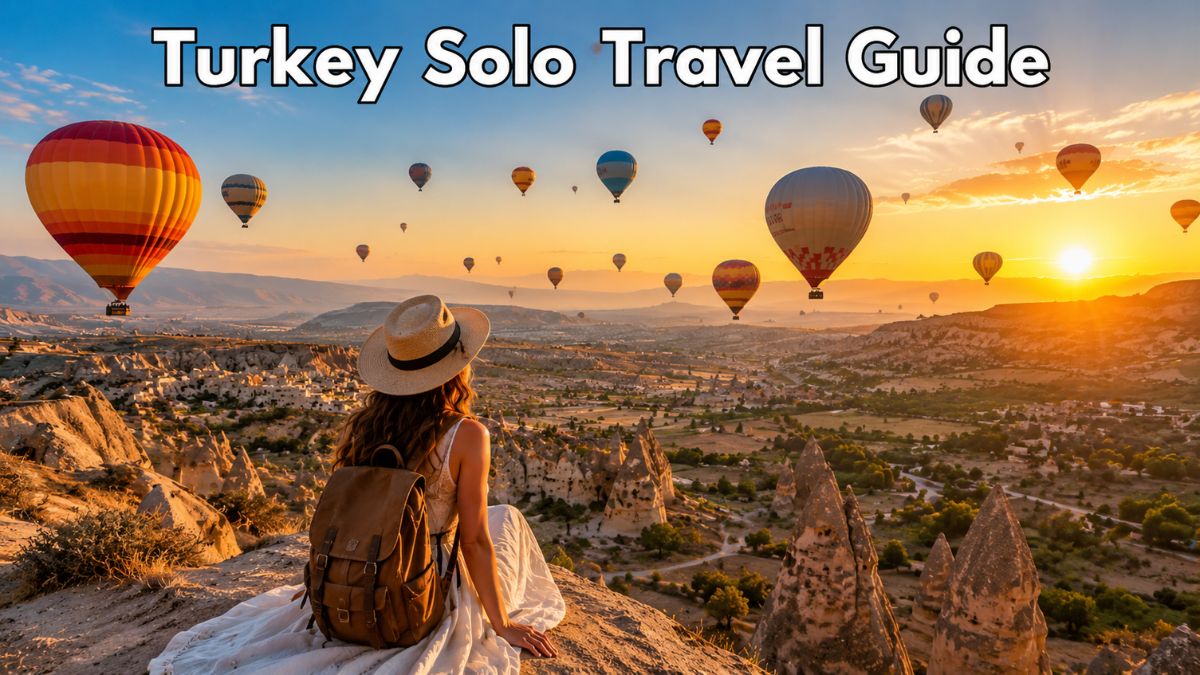
Planning a Turkey solo travel guide trip can feel exciting and scary at the same time. You are stepping into a country full of history, food, and friendly people. But you also want to stay safe, save money, and enjoy every moment. This complete Turkey solo travel guide will walk you through everything you need to know before you go.
Whether you are a woman traveling alone, a backpacker on a budget, or someone who just wants freedom on the road, this guide is made for you. Let’s dive into the best Turkey solo travel guide tips, tricks, and honest advice.
Why Choose Turkey for Solo Travel?
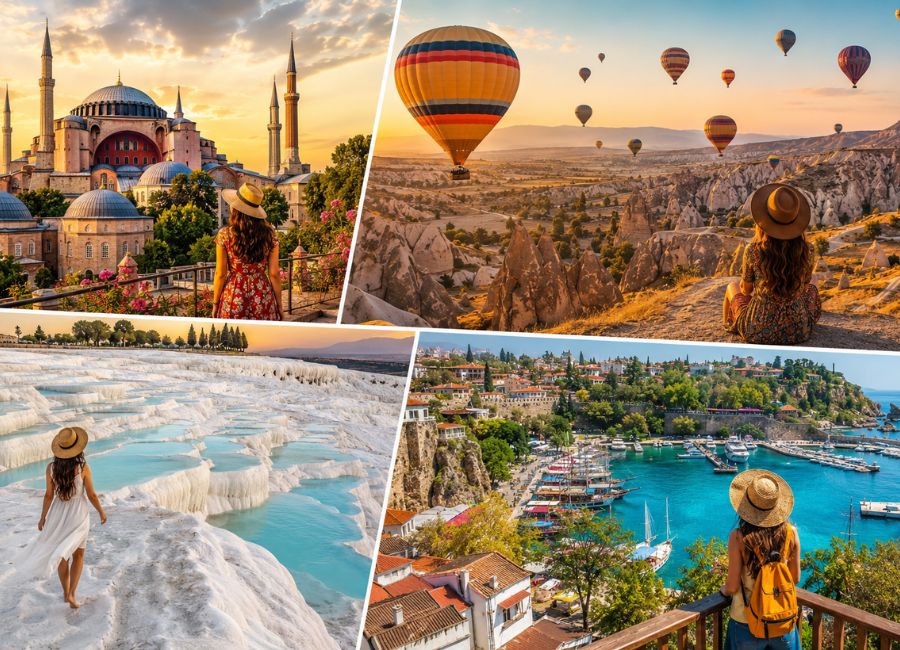
Turkey sits between Europe and Asia, which makes it a unique mix of cultures. This is one of the biggest reasons people search for a Turkey solo travel guide before booking their flight.
Solo travelers love Turkey because prices stay affordable compared to Western Europe, and locals are genuinely friendly toward tourists. Public transport between cities is easy to figure out, even if you don’t speak Turkish. The country also offers a rare mix of beaches, mountains, and ancient ruins, along with halal food options almost everywhere you go.
Turkey is not just Istanbul. It has coastal towns, desert landscapes, and hidden villages. A good Turkey solo travel guide should cover all these sides of the country, not just the famous spots.
Best Time to Visit Turkey Alone
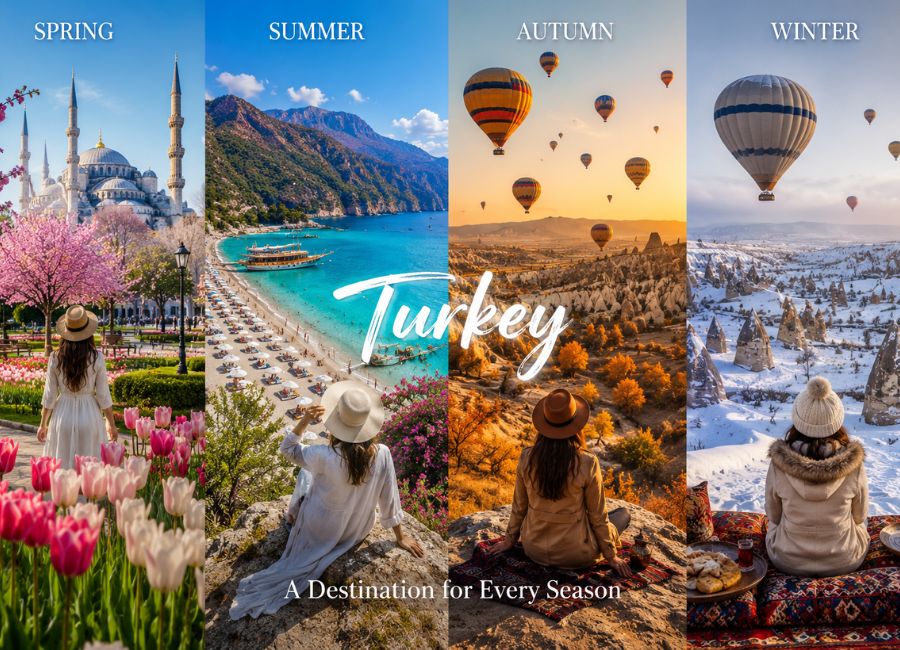
Timing matters a lot when you travel solo. The weather changes a lot across regions, so this part of the Turkey solo travel guide will help you pick the right season.
| Season | Months | Best For |
| Spring | April – May | Sightseeing, mild weather |
| Summer | June – August | Beaches, coastal towns |
| Autumn | September – October | Fewer crowds, pleasant heat |
| Winter | November – March | Budget travel, snow in Cappadocia |
If you plan to visit during the colder months, read our complete Turkey in Winter Travel Guide before booking your trip. Spring and autumn are the sweet spots for most solo travelers. The weather stays comfortable, and prices are lower than during the peak summer season.
Is Turkey Safe for Solo Travelers?
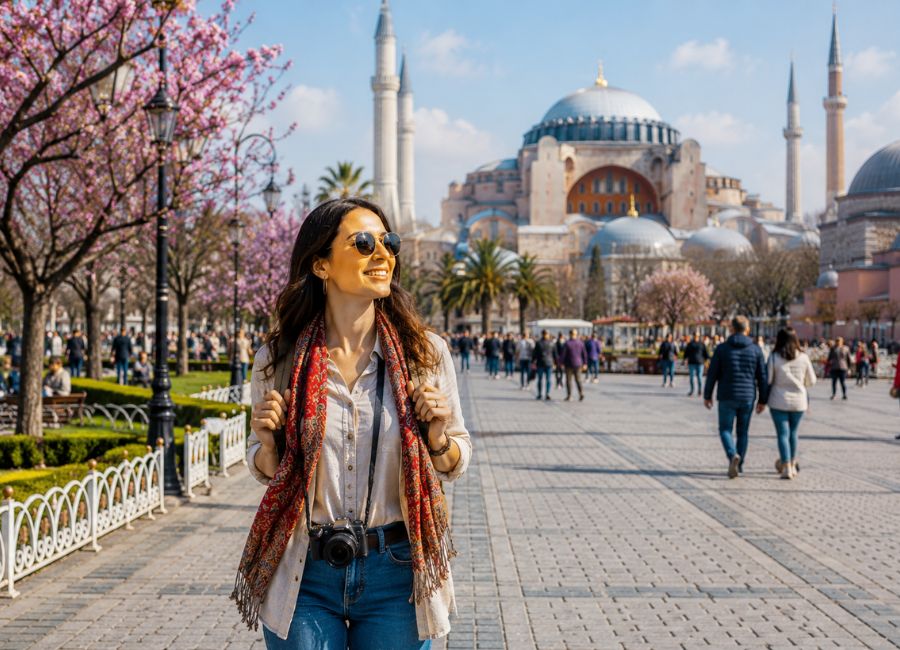
This is the number one question in almost every Turkey solo travel guide search. The honest answer is yes, Turkey is generally safe, especially in tourist cities like Istanbul, Cappadocia, and Antalya.
Still, a few basic habits go a long way. Avoid walking alone late at night in unfamiliar areas, and always keep a copy of your passport separate from the original. Stick to registered taxis or ride apps like Uber and BiTaksi instead of random cars, and dress modestly near mosques and rural areas out of respect. Most importantly, trust your gut feeling if anything ever feels off.
Solo female travelers often report feeling safe in Turkey, but common sense always helps. This part of the Turkey solo travel guide applies to everyone, male or female.
Turkey Visa Guide for Solo Travelers
Before flying, check your visa requirements. Many nationalities can get an e-Visa online in minutes. This step is a must in any serious Turkey solo travel guide.
The process is simple: visit the official Turkish e-Visa website, enter your passport details, pay the visa fee online, then download and print your e-Visa so you can carry it with your passport at the airport.
Always double-check requirements based on your home country before booking flights.
Budget Breakdown for Solo Travel in Turkey
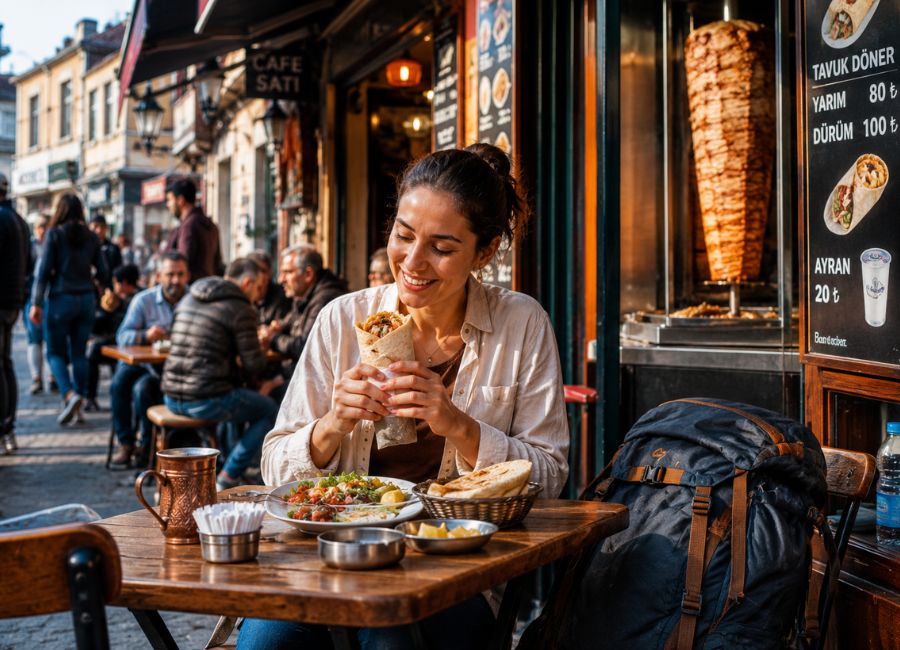
Money planning is a huge part of any Turkey solo travel guide. Turkey is budget-friendly compared to most European countries, but costs vary by city.
| Expense | Budget (USD/day) | Mid-Range (USD/day) |
| Accommodation | $10 – $20 | $30 – $50 |
| Food | $8 – $15 | $20 – $30 |
| Local Transport | $3 – $6 | $8 – $12 |
| Activities | $5 – $15 | $20 – $40 |
| Total | $26 – $56 | $78 – $132 |
Solo travelers can easily manage a trip on $30-40 a day if they stay in hostels and eat local food. This budget-friendly nature is one reason so many people choose Turkey for solo travel.
Top Places to Visit on Your Turkey Solo Trip
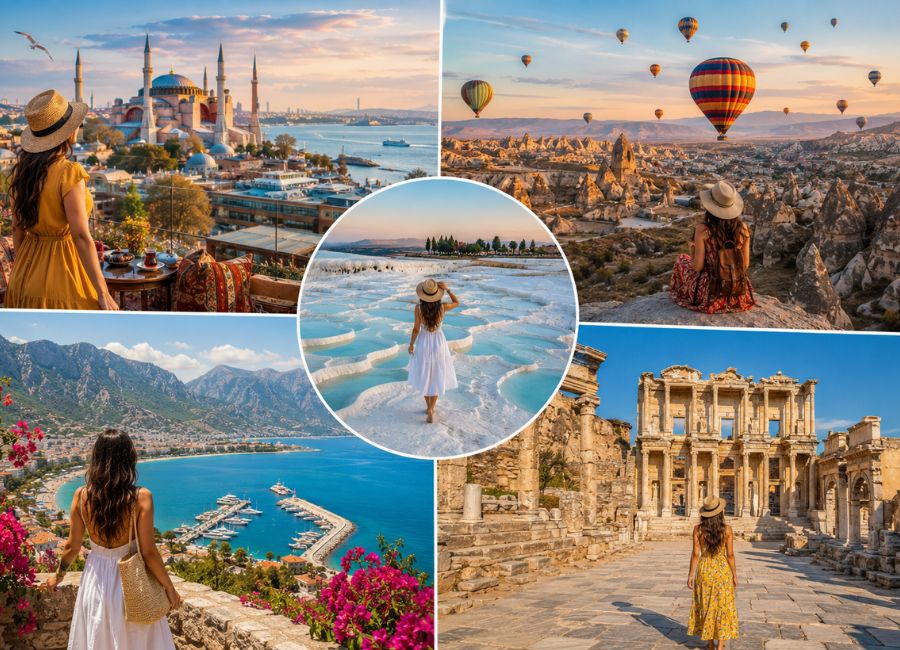
No Turkey solo travel guide is complete without a list of must-see places. Here are the top spots every solo traveler should add to their list.
Istanbul
The heart of Turkey. Explore the Hagia Sophia, Blue Mosque, and Grand Bazaar. If you’re visiting the city for the first time, check out our Things to Do in Turkey Istanbul guide. Great for first-time solo travelers because of easy transport and English-speaking locals.
Cappadocia
Famous for hot air balloon rides and fairy chimney rock formations. A dream destination for photos and peaceful solo mornings.
Antalya
A coastal city perfect for beach lovers. Great nightlife and budget hostels make it popular among backpackers doing solo travel in Turkey.
Pamukkale
Known for white mineral terraces and ancient thermal pools. A relaxing stop on any solo travel route.
Ephesus
One of the best-preserved ancient cities in the world. History lovers should not skip this spot.
Sample 7-Day Solo Travel Itinerary in Turkey
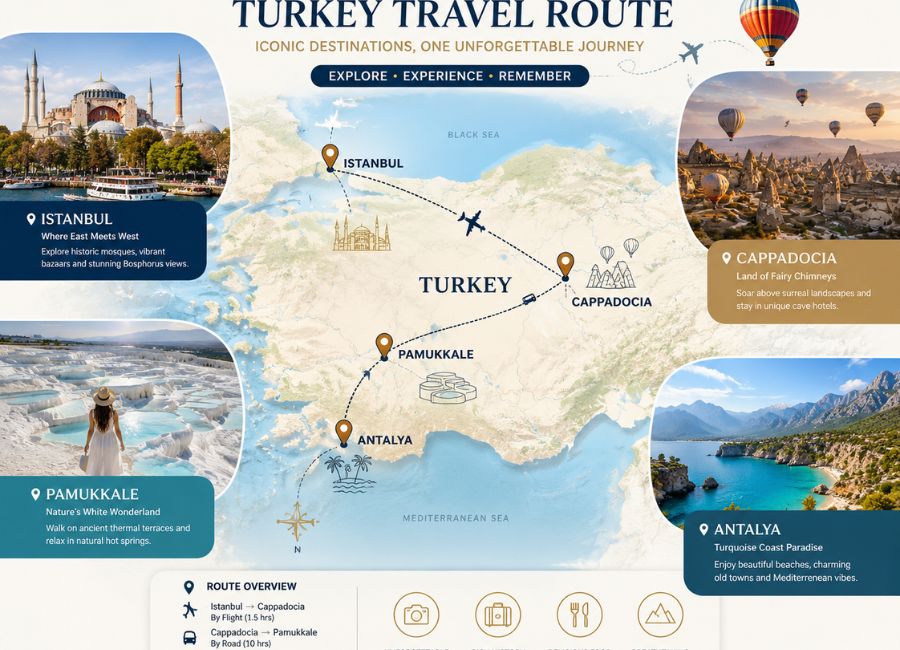
Planning your route saves time and money. You can also follow our Turkey Itinerary 7 Days for a well planned route covering Turkey’s top destinations. A simple itinerary many solo travelers follow starts with three days in Istanbul to explore the old city, markets, and mosques, followed by two days in Cappadocia for the balloon ride and cave hotels. From there, spend day six in Pamukkale enjoying the thermal pools and ruins, then wrap up day seven in Antalya with some beach relaxation before flying home.
This route works well because transport links between these cities are simple and cheap, making it ideal for anyone following a Turkey solo travel guide. If you have extra days, consider adding a stop in Ephesus or extending your stay in Antalya, since both destinations fit naturally into most solo travel schedules without disrupting the overall flow of your Turkey solo travel guide trip.
How to Get Around Turkey as a Solo Traveler

Transportation is easy once you understand the system. Turkey has a strong network of buses, trains, and domestic flights. Buses are the cheapest option and connect almost every city, while domestic flights are fast and affordable between major hubs. Trains offer a comfortable ride mainly between big cities, and trams or metro lines make getting around Istanbul simple. For short local trips, the dolmus, a shared minibus, is a budget-friendly favorite among locals and tourists alike.
Most solo backpackers rely on overnight buses to save on hotel costs while covering long distances.
Where to Stay: Accommodation Tips
Choosing the right place to stay matters a lot for solo comfort and safety. Hostels are the top pick for social solo travelers, especially ones with private lockers and female-only dorms. If you want something different, Cappadocia’s boutique cave hotels are unforgettable, while coastal towns offer plenty of budget guesthouses. Travelers who prefer more privacy can always upgrade to a mid-range hotel without breaking the bank.
Booking hostels helps solo travelers meet other tourists, which makes exploring Turkey even more fun.
Food to Try During Your Turkey Solo Trip
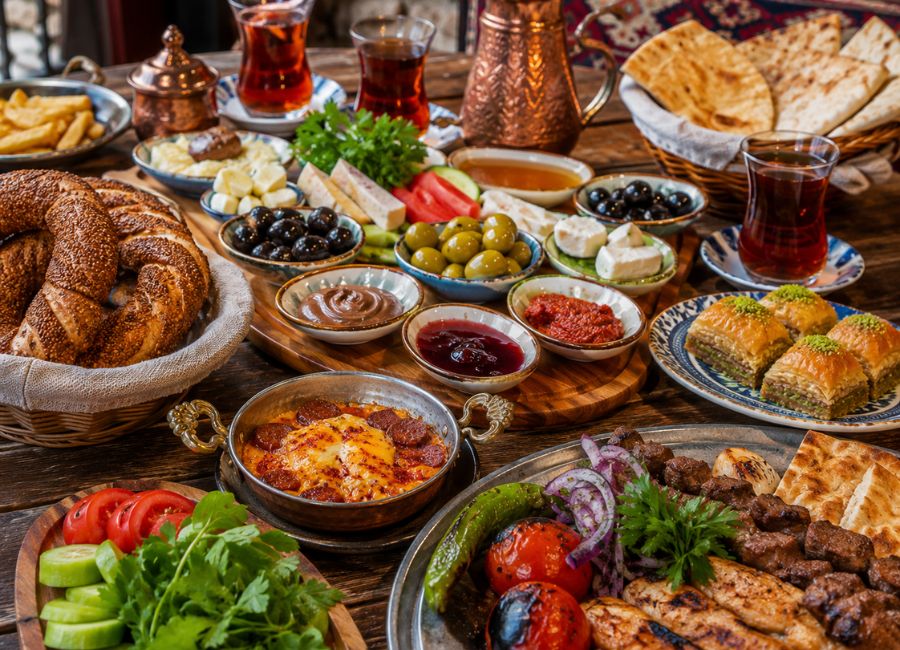
Turkish food is a highlight of any trip. Don’t leave without trying Turkish kebab and grilled meats. You can also explore our guide to the Best Turkish Kebab House for authentic local flavors. Turkish tea and coffee are practically part of the culture, and simit, a Turkish bagel, makes a perfect quick snack on the go.
Street food is cheap, tasty, and perfect for solo travelers watching their budget.
Packing List for Solo Travel in Turkey
A smart packing list makes your trip smoother. Keep it light and simple:
- Comfortable walking shoes
- Modest clothing for mosque visits
- Universal power adapter
- Portable charger
- Copy of passport and visa
- Basic first-aid kit
- Reusable water bottle
Common Mistakes Solo Travelers Make in Turkey
A few small mistakes can affect an otherwise great trip. Many first-timers forget to bargain at local markets or ignore dress codes near religious sites, which can draw unwanted attention. Others skip travel insurance to save money, overpack for what is really a simple trip, or never bother learning basic Turkish phrases.
Learning a few local words like “Merhaba” (hello) and “Teşekkürler” (thank you) can improve your experience a lot.
Internet, SIM Cards, and Staying Connected
Staying connected matters when you are traveling alone in an unfamiliar country. Most airports in Turkey have kiosks where you can buy a local SIM card within minutes of landing, and prices are far lower than roaming charges from your home network. A local SIM makes it easier to use maps, book taxis, and stay in touch with family while following your Turkey solo travel guide route.
Wi-Fi is widely available in hostels, cafes, and restaurants across major cities, so you rarely go long without a connection. Still, it helps to download offline maps before heading into rural areas like Cappadocia’s countryside or smaller coastal towns, where signal can be weaker. A reliable connection also makes solo travel safer, since you can quickly reach emergency contacts or look up directions if you get lost.
Turkish Culture and Etiquette for Solo Travelers
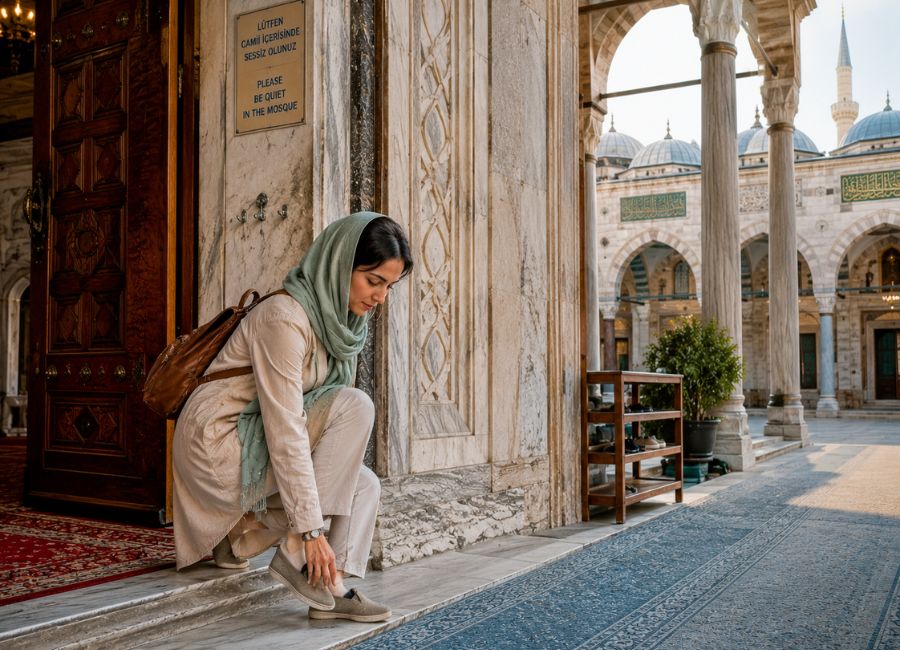
Understanding local culture makes any Turkey solo travel guide journey smoother and more respectful, and it also helps you connect with locals on a deeper level than a typical tourist visit allows. Turkish people value hospitality deeply, and it is common for strangers to invite travelers for tea or offer directions without being asked. Accepting small gestures like this is usually safe and a great way to experience genuine Turkish warmth.
Religion plays an important role in daily life, so travelers should remove their shoes before entering mosques and dress modestly when visiting religious sites. Bargaining is expected in markets and bazaars, so don’t be afraid to negotiate prices politely. Tipping around ten percent in restaurants is appreciated, though not always mandatory. Small habits like greeting people with a smile go a long way toward positive interactions during any Turkey solo travel guide journey.
Meeting Other Travelers While Solo in Turkey
One worry many people have before starting solo travel is loneliness, but Turkey makes it easy to meet people. Hostels often host communal dinners, walking tours, or rooftop gatherings where solo travelers naturally connect with each other. Popular hostels in Istanbul and Cappadocia are especially social, making them ideal bases for anyone following this Turkey solo travel guide.
Group day tours are another great way to meet people while still enjoying the freedom of independent travel. Joining a Cappadocia balloon tour group or a boat trip along the Turkish coast often leads to new friendships without locking you into a rigid schedule. Many solo travelers end up teaming up with new friends for a few days before continuing their own separate routes.
Money Matters: Cards, Cash, and Currency Tips
Turkey uses the Turkish Lira, and while cards are accepted in most cities, smaller towns and local markets often prefer cash. It is smart to carry a mix of both throughout your Turkey solo travel guide trip. ATMs are widely available in cities, but withdrawal fees can add up, so it helps to check your bank’s foreign transaction policy before you leave.
Currency exchange offices, known locally as “döviz,” often offer better rates than airport counters. Comparing a few exchange points before converting large amounts of money can save a noticeable amount over a longer trip. Keeping a small emergency cash reserve separate from your main wallet is also a smart habit for any solo traveler.
Tips for Solo Female Travelers in Turkey
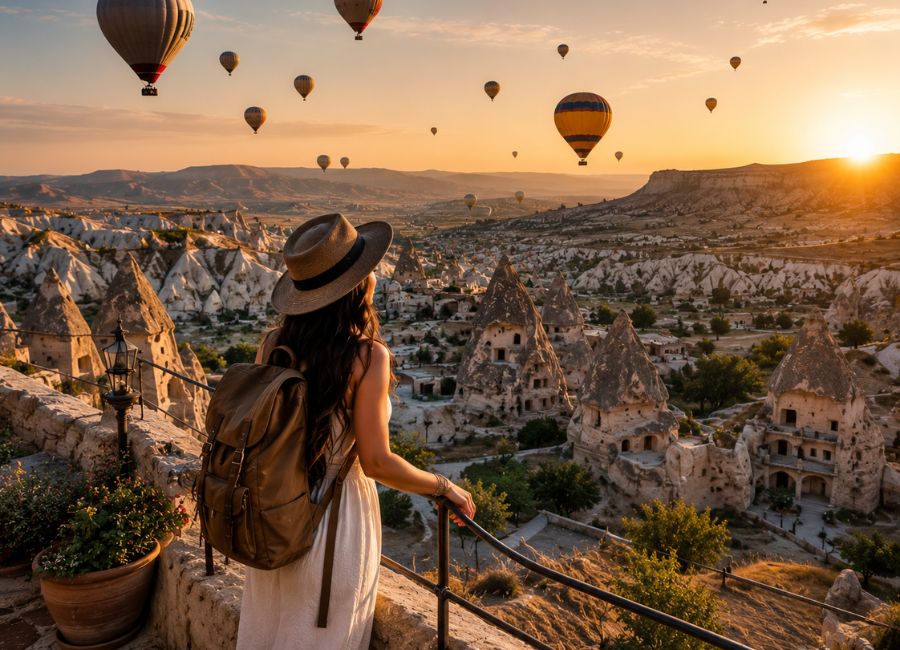
Many women travel solo in Turkey every year without problems. Staying in female-only hostel dorms when possible adds an extra layer of comfort, and dressing modestly outside major cities helps you blend in and avoid unwanted attention. It’s also wise to avoid isolated areas after dark, keep emergency contacts saved on your phone, and join group tours when exploring more rural regions.
Best Apps for Solo Travel in Turkey
A few apps can make your Turkey solo travel guide trip much easier, since good technology often makes the difference between a smooth day and a stressful one. BiTaksi and Uber are reliable for booking safe rides in major cities, while Moovit helps you figure out bus and metro routes without confusion. Google Translate, especially its offline mode and camera feature, is a lifesaver for reading menus or signs written only in Turkish.
For accommodation, Hostelworld and Booking.com remain popular among solo travelers because they show verified reviews from other guests, including solo female travelers who often leave helpful safety notes. Having these apps ready before your trip means less stress once you land and more time actually enjoying your Turkey solo travel guide experience.
Working or Studying While Traveling Solo in Turkey
Some solo travelers choose to stay longer in Turkey and combine tourism with remote work or short study programs. Coworking spaces have grown quickly in Istanbul and Antalya, offering fast internet and a community of other travelers. This lifestyle blend has become a popular extension of the classic Turkey solo travel guide experience, especially for digital nomads who want to explore slowly instead of rushing between cities.
Language schools in Istanbul also attract solo travelers who want to learn Turkish while living like a local for a few weeks. Whether you are working remotely or simply extending your stay, Turkey offers enough infrastructure to support a longer, more relaxed version of solo travel.
Final Tips Before You Go
Before ending this Turkey solo travel guide, here are a few last reminders. Buy travel insurance before departure, and save both digital and paper copies of your important documents. Keep some cash on hand, since not every place accepts cards, and download offline maps for areas with weak signal. Above all, stay flexible and leave room for spontaneous plans.
Conclusion
Turkey is one of the best countries for anyone starting their solo travel journey. From ancient cities to stunning coastlines, there is something for every type of traveler. This Turkey solo travel guide covered safety, budget, places to visit, and practical tips to help you plan with confidence.
Whether you spend a week exploring Istanbul’s old streets or a month slowly moving between the coast and Cappadocia, following the advice in this Turkey solo travel guide will help you avoid common mistakes and enjoy the journey instead of stressing over it. With a little preparation, your solo trip to Turkey can turn into one of the most memorable experiences of your life.
FAQs
1. Is Turkey good for first-time solo travelers?
Yes, Turkey is beginner-friendly because of its easy transport system, affordable prices, and welcoming locals.
2. How many days are enough for a solo trip to Turkey?
A 7 to 10 day trip is enough to cover major cities like Istanbul, Cappadocia, and Antalya comfortably.
3. Is it expensive to travel solo in Turkey?
No, Turkey is budget-friendly. Solo travelers can manage a comfortable trip on $30-50 per day.
4. Do solo travelers need to know Turkish?
Not really. English is widely understood in tourist areas, though learning basic phrases helps a lot.
5. What is the safest city in Turkey for solo travel?
Istanbul and Antalya are considered the safest and most tourist-friendly cities for solo travelers.