
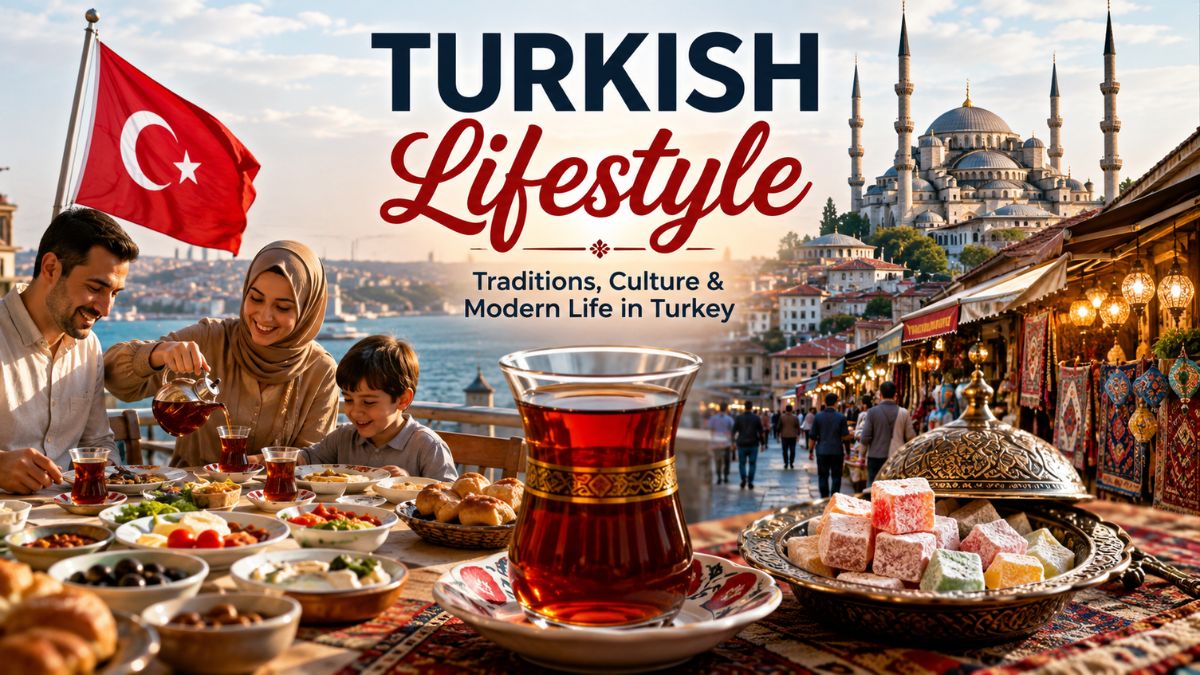
If you have ever sipped tea with a Turkish family or walked through a crowded bazaar in Istanbul, you already know that the Turkish lifestyle is something special. It blends old traditions with modern city living in a way that few countries manage so smoothly. This guide takes you through daily life in Turkey, family values, food culture, and much more, so you can understand what makes the Turkish Lifestyle so unique and welcoming.
Whether you are planning a trip to Turkey, thinking about relocating, or simply curious about Turkish culture, this article covers everything you need to know about life in Turkey today.
What Is the Turkish Lifestyle?
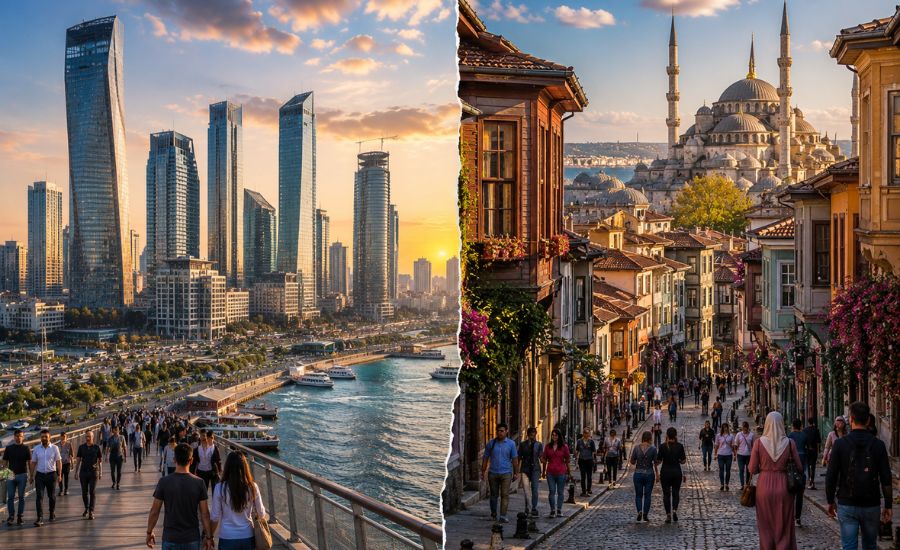
The Turkish Lifestyle is a mix of East and West. Turkey sits between Europe and Asia, and this location has shaped the way people live, eat, and think for centuries. You will find ancient customs sitting comfortably next to smartphones and shopping malls.
At its core, the Turkish Lifestyle values family, respect, and community. People greet strangers with warmth, share meals generously, and take pride in their history. Yet in cities like Istanbul, Izmir, and Ankara, you will also see a fast-paced, modern side of Turkish society that feels similar to any major European city.
Understanding the Turkish Lifestyle means understanding this balance. It is not just one thing — it changes depending on where you are, who you are with, and how traditional or modern that community happens to be.
A Typical Daily Routine in Turkey
Daily life in Turkey often starts early. Many people wake up before sunrise, especially those who follow the call to prayer, which is broadcast five times a day from local mosques.
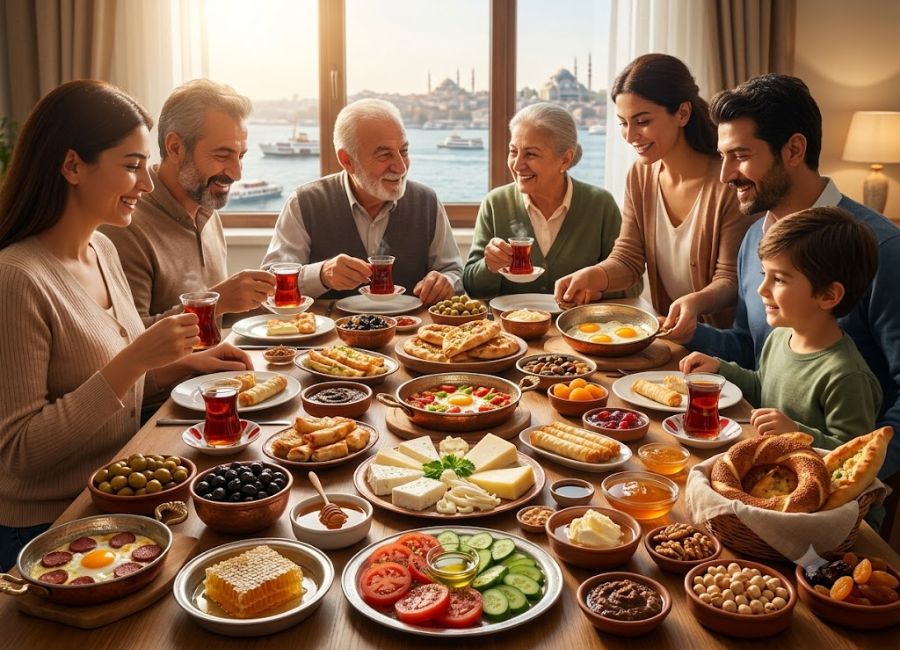
Breakfast is a big deal in Turkish culture. It is not rushed. A typical Turkish breakfast, or “kahvaltı,” includes cheese, olives, tomatoes, cucumbers, honey, jam, and fresh bread, often shared slowly with family before the day begins.
After breakfast, the day looks fairly familiar to most visitors:
- Commuting to work or school, often by bus, metro, or car
- A midday break for lunch, sometimes at home for those who live nearby
- An evening meal with family, usually later than in Western countries
- Time spent outdoors, visiting friends, or relaxing in tea gardens
This rhythm shows how daily life in Turkey balances productivity with genuine downtime.
Family Life and Social Values
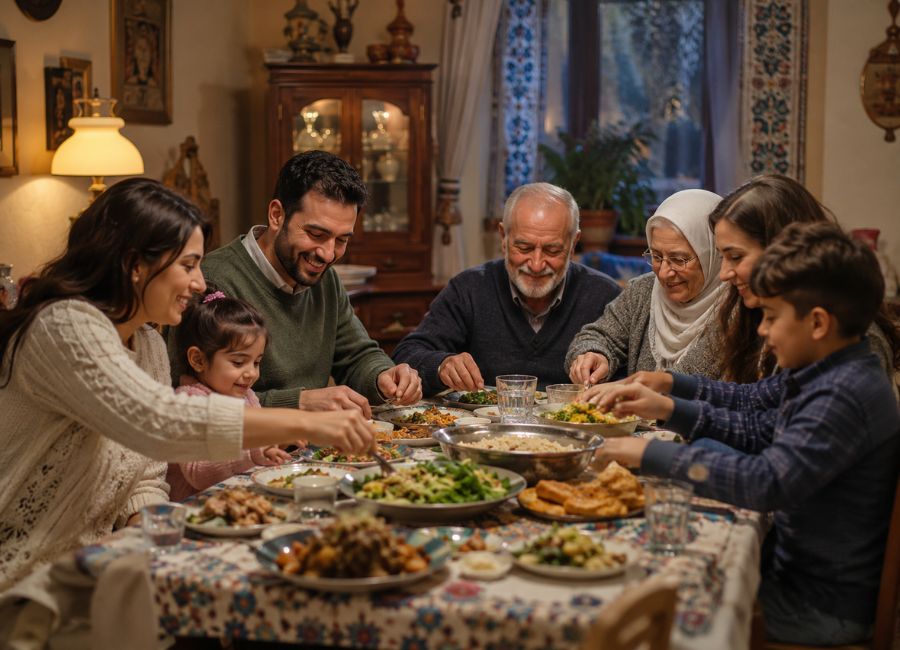
Family sits at the center of the Turkish Lifestyle. Turkish family values place a strong emphasis on respect for elders, loyalty, and staying close even after children grow up.
It is common for extended families to live near each other or even in the same building. Grandparents often help raise children, and major decisions are usually discussed as a family rather than made alone.
The Role of Respect in Turkish Family Values
Respect is not just a nice idea in Turkish society — it shapes daily behavior. Younger people are expected to greet elders first, listen carefully, and avoid interrupting during conversations.
This respect extends beyond blood relatives. Neighbors are often treated like extended family, and it is normal to check in on elderly neighbors or share food with them during holidays.
Turkish Hospitality and Traditions
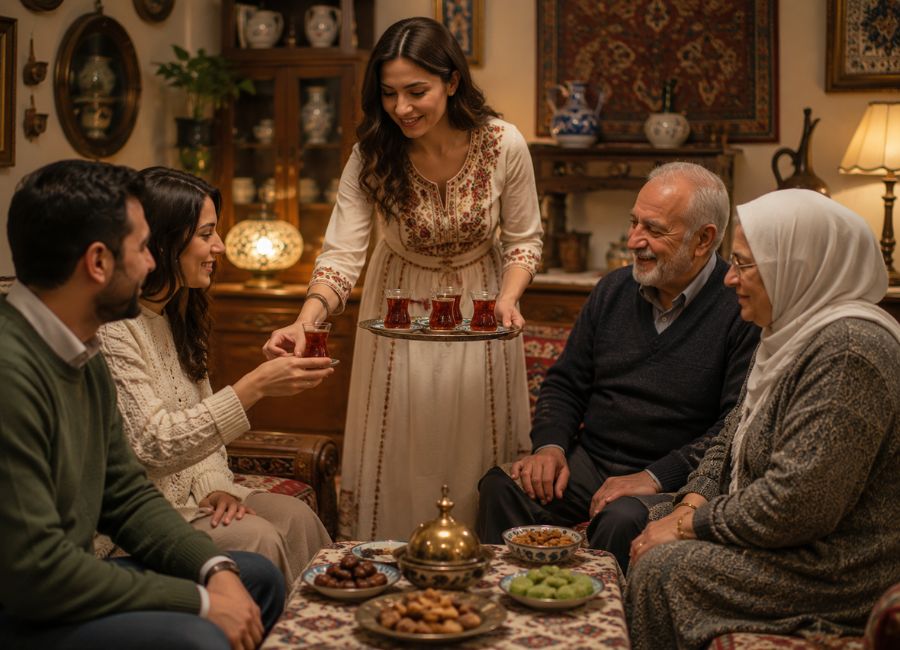
Turkish hospitality is famous around the world, and for good reason. Guests are treated with enormous generosity, often receiving more food and attention than they expected.
A well-known Turkish saying goes something like this: a guest is a gift from God. This idea still guides how people welcome visitors into their homes today.
Common signs of Turkish hospitality include:
- Offering tea or coffee within minutes of arrival
- Insisting guests eat more, even after they say they are full
- Refusing to let guests help with cooking or cleaning
- Sending guests home with leftover food
These Turkish traditions are not reserved for special occasions. They happen in everyday interactions, which is part of what makes the Turkish Lifestyle feel so warm to outsiders.
Food and Dining Culture
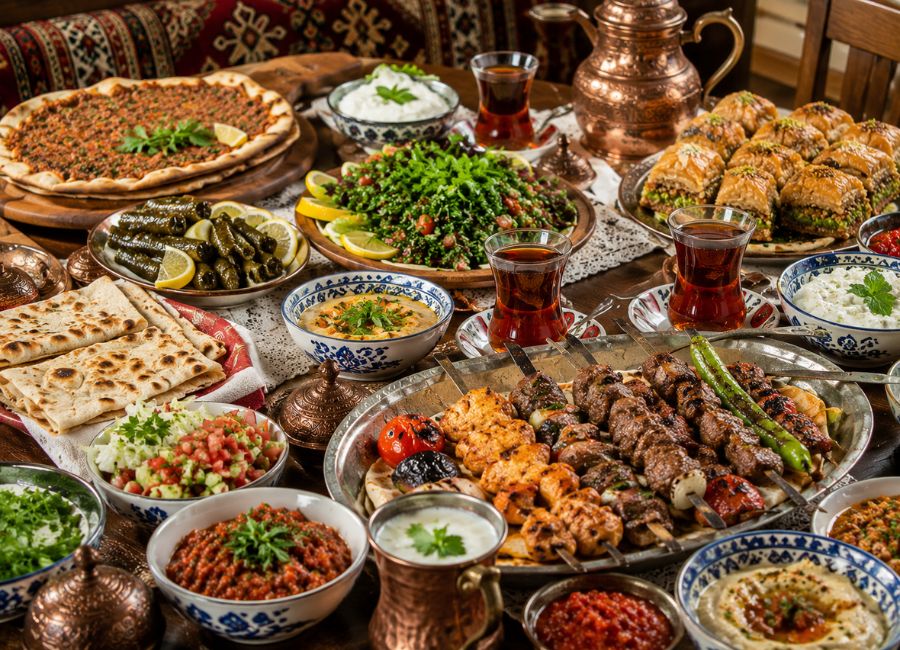
Turkish food culture reflects the country’s rich history and geography. Meals are social events, not just something to eat quickly between tasks.
Dinner often includes several small dishes shared at the table rather than one plate per person. This style encourages conversation and connection, which fits perfectly with the community-focused Turkish Lifestyle.
Popular Dishes in Turkish Food Culture
Some dishes you should try if you want to understand Turkish food culture include:
- Kebabs, in many regional styles
- Mezze, small appetizer plates shared before the main course
- Baklava, a sweet pastry made with layers of dough and nuts
- Lahmacun, a thin flatbread topped with minced meat and spices
- Turkish delight, a soft, sweet treat often flavored with rosewater
Bread is treated with special respect in Turkey. It is considered disrespectful to throw it away, and many households keep stale bread for recipes rather than tossing it out.
Fashion and Modern Turkish Lifestyle
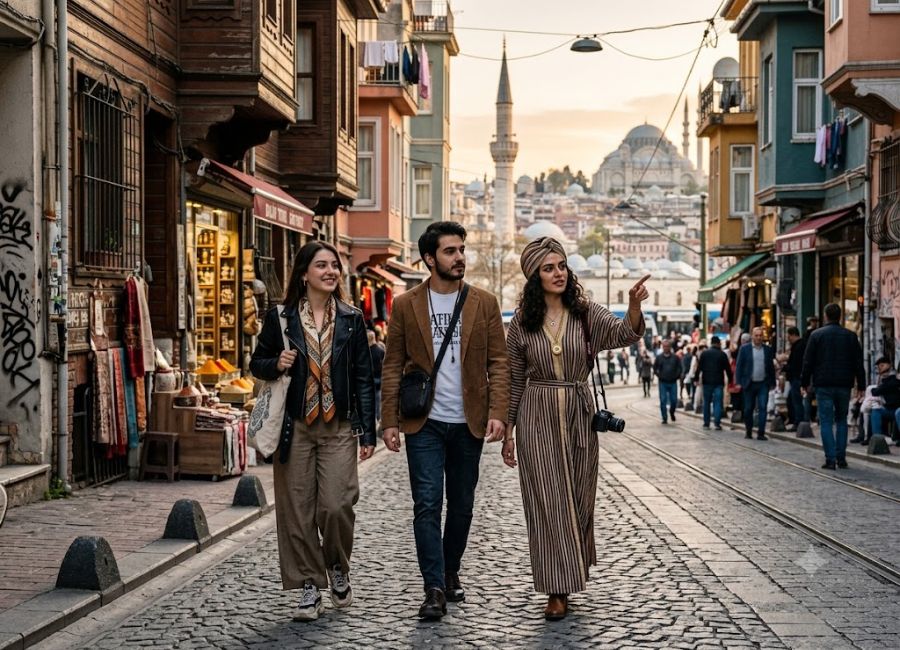
Fashion in Turkey varies a lot depending on the city and community. In Istanbul, you will see the latest global fashion trends, especially among younger people.
In smaller towns and more conservative areas, clothing tends to be simpler and more modest. Some women wear headscarves, while others do not, and both choices are common and accepted.
This mix shows how modern Turkey does not follow one single style. Instead, personal choice and regional custom shape what people wear, which reflects the wider diversity within the Turkish Lifestyle itself.
Religion and Cultural Influence
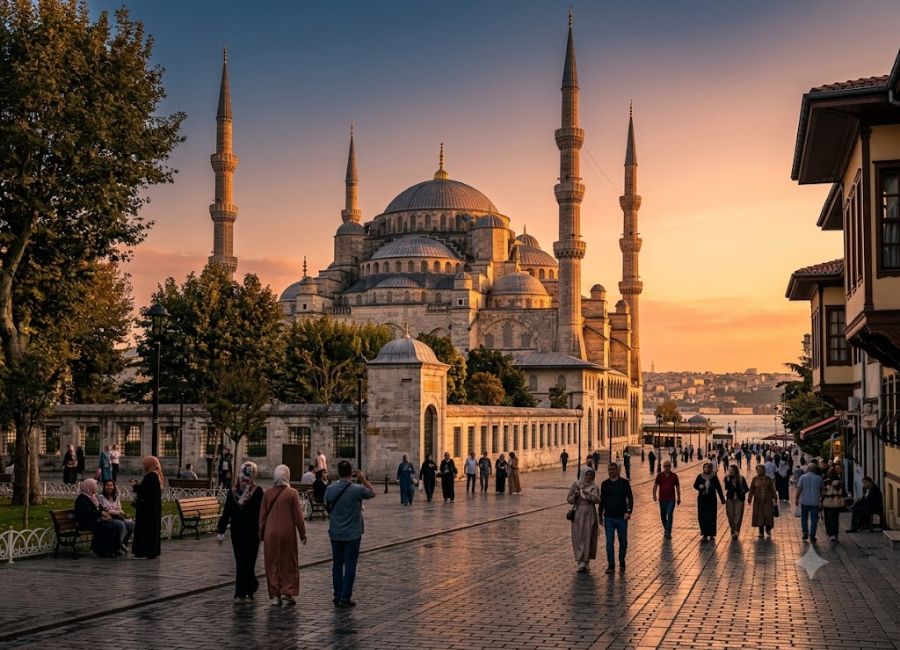
Islam plays a major role in Turkish culture, though Turkey is officially a secular country. This means religion influences daily habits, but it does not control government or law the way it does in some neighboring nations.
You will notice religious influence in small, everyday ways:
- Mosques calling people to prayer five times daily
- Fasting during the holy month of Ramadan
- Special meals and gatherings during religious holidays
- Respect shown toward mosques and religious sites
Not everyone practices religion the same way. Some Turkish citizens are deeply religious, while others are more secular. This range is a normal part of Turkish society and adds to the layered nature of the Turkish Lifestyle.
Work-Life Balance in Turkey
Work culture in Turkey has grown more structured over recent decades, especially in large companies and cities. Standard office hours usually run from around 9 a.m. to 6 p.m., similar to many Western countries.
That said, work-life balance still leans toward valuing personal relationships. Long lunch breaks, after-work tea gatherings, and strong loyalty between coworkers are common.
Smaller businesses and family shops often keep more flexible hours, closing for lunch and reopening later. This flexibility reflects a lifestyle that still prioritizes rest and social time over constant productivity.
Festivals and Celebrations
Celebrations bring Turkish traditions to life in colorful ways. Religious holidays like Eid al-Fitr and Eid al-Adha involve family visits, special meals, and gift-giving to children.
National holidays are also important. Republic Day, celebrated on October 29, honors the founding of modern Turkey, with flags, parades, and public events across the country.
Local festivals add even more variety, from oil wrestling matches in Edirne to tulip festivals in Istanbul each spring. These events give visitors a real taste of Turkish culture beyond the usual tourist spots.
Tea and Coffee Culture
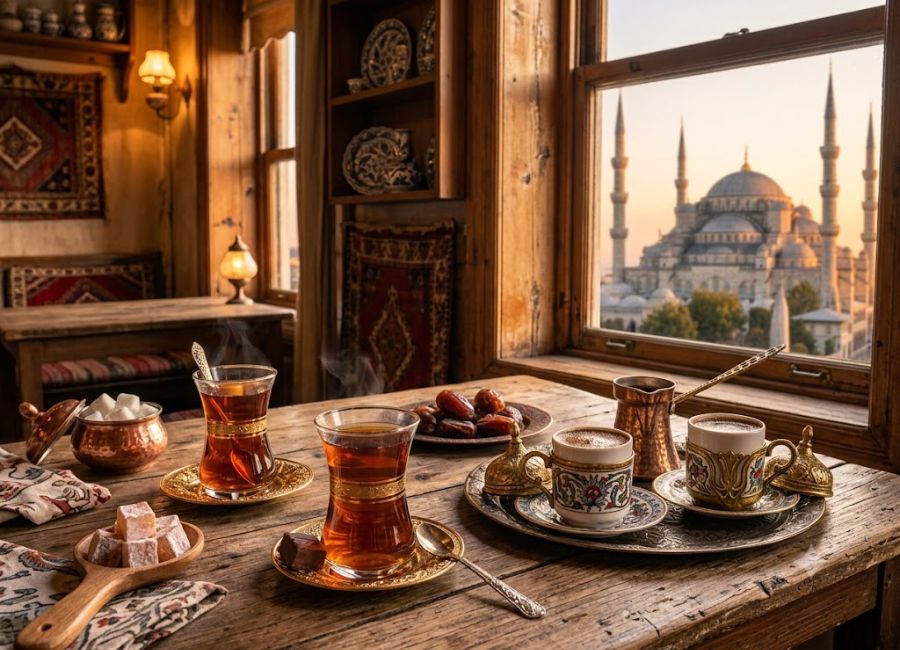
No discussion of the Turkish Lifestyle is complete without mentioning tea and coffee. Turkish tea, served in small tulip-shaped glasses, is offered constantly throughout the day, in homes, shops, and even during business meetings.
Turkish coffee is a bit different. It is thick, strong, and traditionally served with a glass of water and sometimes a small sweet on the side.
Why Tea Matters More Than Coffee in Daily Life
While Turkish coffee is famous worldwide, tea is actually consumed far more often in daily life. It is cheaper, quicker to prepare, and deeply tied to hospitality.
Refusing tea can sometimes seem impolite, so many visitors learn to accept at least one small glass, even if they do not finish it.
Markets and Shopping Habits
Shopping habits in Turkey range from traditional open-air bazaars to modern shopping malls. The Grand Bazaar in Istanbul remains one of the oldest and largest covered markets in the world.
Bargaining is still common in traditional markets, especially for items like carpets, jewelry, and souvenirs. In malls and chain stores, prices are usually fixed, similar to shopping in Western countries.
Local neighborhood markets, called “pazar,” happen on specific days each week and offer fresh produce at lower prices than supermarkets. Many locals still prefer these weekly markets over large grocery chains.
Public Etiquette in Turkish Society
Good manners matter a lot in Turkish society. Simple gestures, like removing your shoes before entering someone’s home, are expected almost everywhere.
Some useful etiquette tips include:
- Greeting people with a handshake or, among close friends, a kiss on both cheeks
- Avoiding pointing your feet at people while sitting
- Dressing modestly when visiting mosques
- Using your right hand for eating and giving items
These small habits reflect deeper respect and care, which are central values in Turkish culture.
City Life vs Village Life

The Turkish Lifestyle looks quite different depending on whether you are in a big city or a small village. Istanbul, with its skyscrapers and busy streets, feels worlds apart from a quiet farming village in central Anatolia.
City residents often have busier schedules, smaller living spaces, and more exposure to international culture. Village life, on the other hand, moves slower, with stronger reliance on farming, closer community ties, and more traditional customs.
Despite these differences, both settings share core Turkish family values and a strong sense of hospitality. The pace changes, but the heart of the culture stays consistent.
Living in Turkey as an Expat
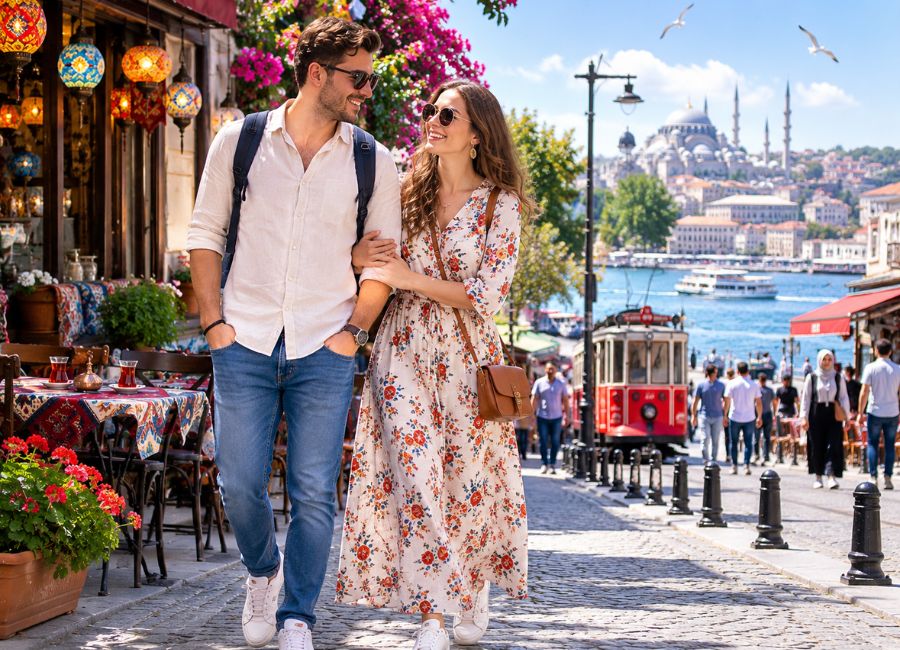
Living in Turkey as an expat has become increasingly popular, especially in cities like Istanbul, Antalya, and Izmir. If Istanbul is your first destination, check our guide on where to stay in Istanbul to find the best neighborhoods and accommodation options. Affordable living costs, a warm climate, and friendly locals attract many foreigners each year.
Adjusting to the Turkish Lifestyle as an expat takes some effort. Learning basic Turkish phrases, understanding local customs, and being patient with bureaucracy will make daily life much smoother.
Many expats find that once they build relationships with neighbors and coworkers, they are welcomed with the same warmth shown to lifelong residents. This sense of belonging is one of the biggest draws of living in Turkey long-term.
Practical Tips for Visitors
If you want your trip to go smoothly, keep these tips in mind:
- Carry small cash for markets, taxis, and tipping
- Learn a few basic Turkish greetings like “Merhaba” (hello) and “Teşekkür ederim” (thank you)
- Dress modestly when visiting religious sites
- Accept offered tea or coffee graciously, even if you only take a sip
- Bargain politely in traditional markets, but not in malls or supermarkets
These small steps show respect for local customs and often lead to warmer interactions with locals.
Common Mistakes to Avoid
Even well-meaning travelers sometimes make mistakes. Avoid these common missteps to enjoy the Turkish Lifestyle more fully:
- Refusing food or tea too firmly, which can seem rude
- Wearing revealing clothing inside mosques
- Assuming all of Turkey is the same, when regions vary widely
- Rushing meals instead of enjoying the social pace
- Ignoring basic Turkish phrases, even simple ones
Small efforts to respect Turkish customs go a long way in creating positive experiences.
Turkish Lifestyle vs Western Lifestyle
Here is a simple comparison to highlight some key differences and similarities between the Turkish Lifestyle and typical Western lifestyles.
| Aspect | Turkish Lifestyle | Western Lifestyle |
| Family structure | Extended families often stay close, involved in daily life | Nuclear families are more common, with more independence |
| Meal culture | Long, shared meals with multiple dishes | Often quicker, individual meals |
| Hospitality | Guests treated with strong generosity and insistence | Polite but often more reserved |
| Work hours | Standard hours with flexible social breaks | Structured hours with less emphasis on tea breaks |
| Religion’s role | Visible in daily rhythms, though secular by law | Varies widely, often more private |
| Shopping | Mix of bazaars and malls, with bargaining common | Mostly fixed-price retail and online shopping |
This table shows that while both lifestyles share modern conveniences, the pace, warmth, and family focus of the Turkish Lifestyle often stand out as key differences.
Pros and Cons of the Turkish Lifestyle
Like any way of life, the Turkish Lifestyle has strengths and challenges.
Pros:
- Strong sense of community and family support
- Generous hospitality that makes visitors feel welcome
- Rich food culture with fresh, flavorful meals
- Affordable cost of living compared to many Western countries
- Beautiful blend of history and modern life
Cons:
- Bureaucracy can be slow and confusing for newcomers
- Traffic and crowding in major cities like Istanbul
- Language barriers for those who do not speak Turkish
- Conservative expectations in some regions may feel restrictive to outsiders
- Economic fluctuations can affect daily costs
Weighing these pros and cons can help visitors and expats set realistic expectations before diving into the Turkish Lifestyle.
Interesting Facts About the Turkish Lifestyle
- Turkey is one of the few countries located on two continents, Europe and Asia
- Turkish coffee brewing was added to UNESCO’s Intangible Cultural Heritage list
- Tea, not coffee, is the most consumed hot drink in Turkey
- Istanbul’s Grand Bazaar has over 4,000 shops under one roof
- Bread is so respected that wasting it is considered a small act of disrespect
These small details reveal just how deep and layered the Turkish Lifestyle really is.
Conclusion
The Turkish Lifestyle is a rich mix of tradition, hospitality, and modern living. From shared breakfasts to bustling bazaars, daily life in Turkey reflects centuries of history alongside a fast-changing present.
Whether you are visiting for a week or considering living in Turkey long-term, understanding the Turkish Lifestyle helps you connect more meaningfully with the people and places you encounter. At its heart, this lifestyle is about warmth, respect, and genuine connection, values that make Turkey such a memorable place to experience.
If you take one thing away from this guide, let it be this: the Turkish Lifestyle rewards those who slow down, accept a cup of tea, and take the time to truly connect with the people around them.
FAQs
1. What defines the Turkish Lifestyle?
The Turkish Lifestyle is defined by strong family values, generous hospitality, rich food culture, and a blend of traditional and modern influences across different regions.
2. Is the Turkish Lifestyle the same in every city?
No, the Turkish Lifestyle varies between cities and villages. Big cities like Istanbul feel modern and fast-paced, while smaller towns keep a slower, more traditional pace.
3. How does Turkish hospitality show up in daily life?
Turkish hospitality appears in small daily gestures, like offering tea to guests, insisting they eat more food, and welcoming strangers with warmth and generosity.
4. Is it hard to adapt to the Turkish Lifestyle as an expat?
It takes some effort, especially with language and bureaucracy, but most expats find that Turkish Lifestyle customs like community support and hospitality make the transition easier over time.
5. What should tourists know about the Turkish Lifestyle before visiting?
Tourists should dress modestly at religious sites, accept offered tea or coffee politely, and remember that the Turkish Lifestyle values patience, respect, and genuine social connection.