

Last updated: October 2026
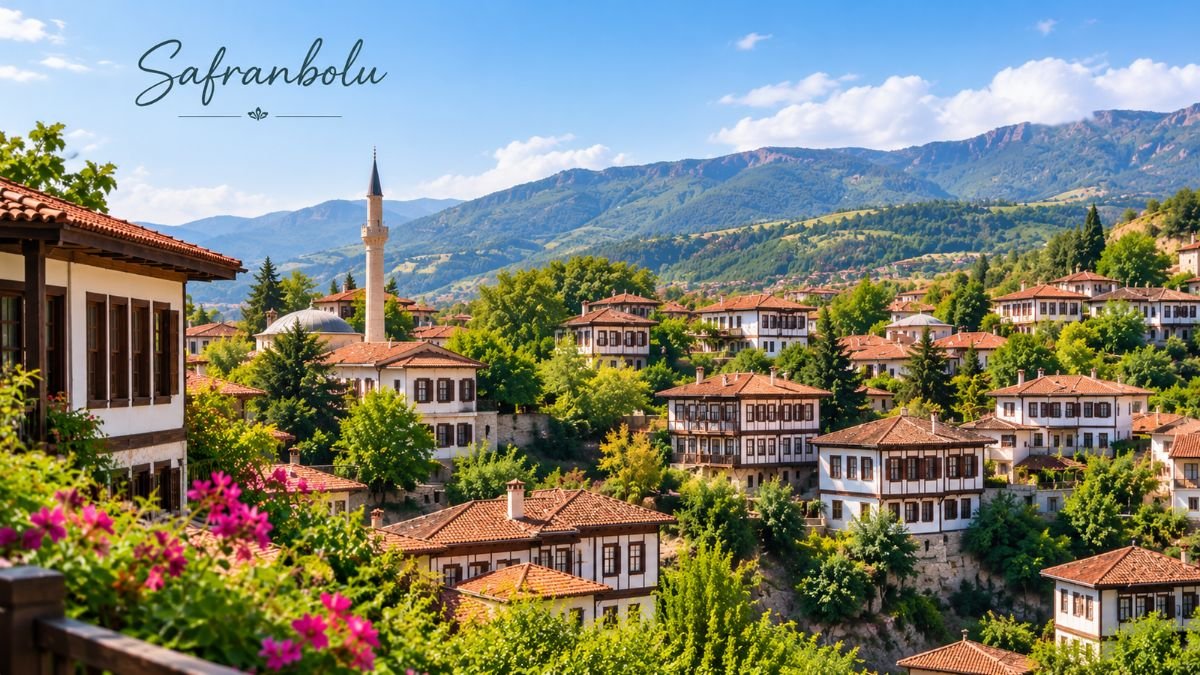
Safranbolu is a small town in northern Turkey with wooden Ottoman houses, cobbled streets and saffron sweets. It is a UNESCO World Heritage Site, and it feels calm after busy Istanbul.
This Safranbolu travel guide covers how to get there, what to see, what to eat, where to stay and what it costs. Each section is short and direct, so you can plan fast.
Safranbolu Travel Guide: Quick Facts
- Where: Karabük Province, Black Sea region, Turkey
- UNESCO listing: 1994
- From Istanbul: about 410 to 430 km, around 6.5 to 7.5 hours by direct bus
- From Ankara: about 220 km, around 2.5 to 3 hours by car
- Best for: Ottoman architecture, slow walks, saffron sweets and canyon views
- Time needed: 1 day covers the old town, 2 days is better
In short: plan one to two days, take a bus from Istanbul or Ankara, stay in an old house in the old town, and try the saffron sweets. The rest of this Safranbolu travel guide explains each step.
How This Guide Was Prepared
I have not visited Safranbolu yet. This Safranbolu travel guide is based on research from UNESCO, Turkey’s tourism ministry, travel guides and traveler reports.
Prices and opening hours change often. Please confirm them locally before you go.
What Is Safranbolu?
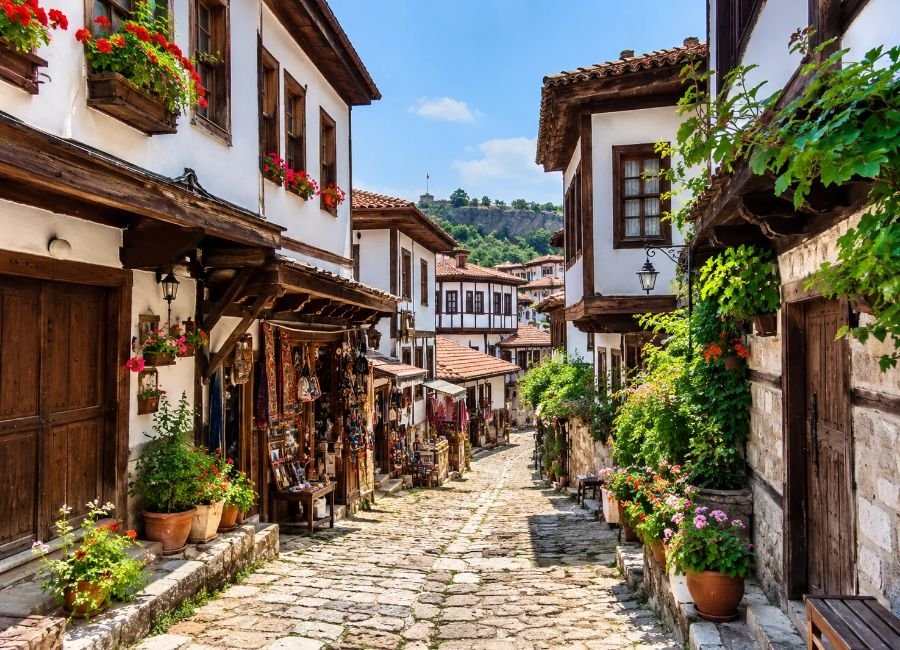
Safranbolu is in Karabük Province, in the Black Sea region of Turkey. It sits about 200 km north of Ankara and about 100 km south of the Black Sea coast. About 53,000 people lived there in 2022.
In 1994, UNESCO added the town to its World Heritage List. The reason is simple: its Ottoman-era houses and streets are very well kept.
Safranbolu is also known as a Cittaslow, or “slow city”. That means it values calm, local food and traditional life.
The name comes from “saffron”. The town was once a trading place and a center for growing this costly spice. Saffron is still grown today in a nearby village called Davutobası.
A Short History
Romans, Byzantines, Seljuks and Ottomans all lived in this area.
The town became rich in the 17th century. It was an important stop on the trade route between Istanbul and Sinop. Wealthy families built big houses from wood and stucco, and many of them still stand.
In the 19th century, about a quarter of the people here were Ottoman Greeks. Many left after World War I.
Is Safranbolu Worth Visiting?
Is Safranbolu worth visiting? In this Safranbolu travel guide’s view, yes, if you like old buildings, quiet streets and small towns. It is less crowded than Istanbul or Cappadocia, and you can see most sights on foot.
It may not suit you if you want beaches, nightlife or big attractions. The town is small, and its charm is in the details.
It also works well as a stop on a longer route. Many travelers add it between Istanbul and Ankara, or pair it with the coast. If you are still planning your wider trip, see our 7-day Turkey itinerary.
How to Get to Safranbolu
From Istanbul
The bus is the easiest option. A direct bus takes about 6.5 to 7.5 hours. Driving takes roughly five to six hours.
A Turkish bus-ticket site listed fares from Istanbul at about 18 to 21 euros. Prices change often, so check the bus company’s website.
From Ankara
The road distance is about 220 km. By car, the drive takes around 2.5 to 3 hours.
Buses often pass through Karabük and take about 3.5 hours in total. A ticket from Ankara was listed at about 6 to 8 euros.
An Important Bus Tip
Some buses stop in Karabük, not in Safranbolu. Before you buy a ticket, ask if the bus goes straight to Safranbolu.
If it ends in Karabük, you can take a minibus (dolmuş) from there.
By Train
The nearest station is in Karabük, about 10 to 15 km from Safranbolu. Buses are usually faster.
By Car
A car gives you the most freedom. You can stop at the aqueduct, the canyon and nearby villages on your own schedule.
Parking in the old town can be tight on weekends, so ask your hotel where to leave the car.
Understand the Town Layout
Safranbolu has three main areas. Knowing them saves time.
- Çarşı (old town): The main tourist area, with the market, old houses, shops and hotels.
- Bağlar: A quieter, greener area. The name means “vineyards”. Local families once spent summers here.
- Kıranköy: An older district with stone houses. A well-known lokum shop is here too.
The old town and the new town center are about 2 km apart. A minibus runs between them regularly.
Many long-distance buses drop you in the new center. You will need the minibus to reach the old town.
Things to Do in Safranbolu
This Safranbolu travel guide lists the main sights from the easiest to the farthest.
1. Walk Through the Safranbolu Old Town
Walking the old town costs nothing, and it is the best thing to do. Look for carved wooden ceilings, tall walls, old doors, craft shops and tea gardens.
The old town has hundreds of registered historic buildings. These include mosques, fountains, Turkish baths, caravanserais, a clock tower and a sundial.
Go slowly. The best moments are often in the side streets.
2. Cinci Han
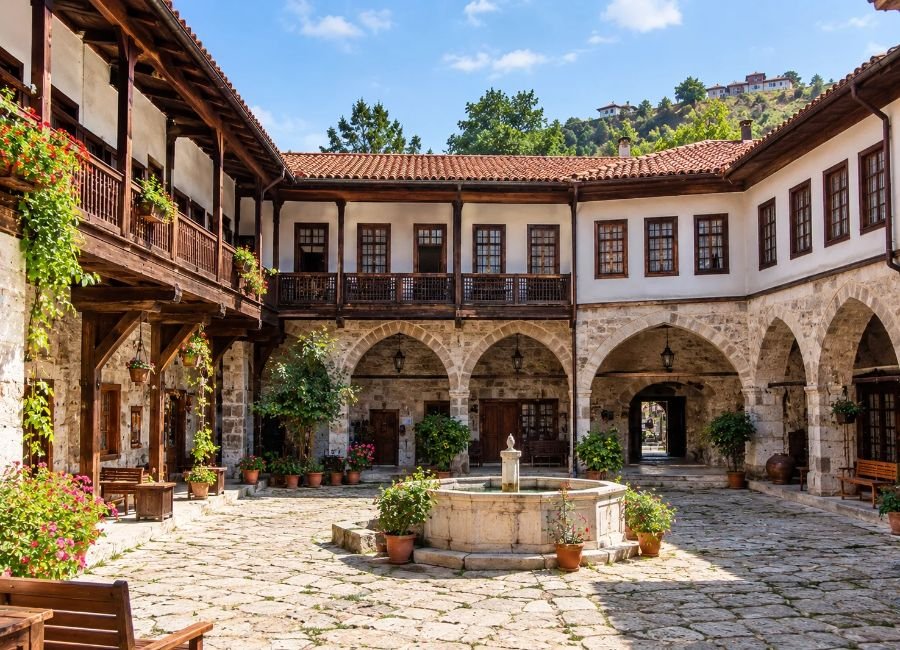
Cinci Han is a large caravanserai from the 17th century. A caravanserai was a roadside inn where traders stayed with their animals and goods.
Today it works as a hotel with a cafe and a gift shop. The courtyard has a decorative pool and arched corridors.
Entry to the courtyard and cafe is reportedly free. The roof gallery has a small fee.
3. Kaymakamlar House Museum
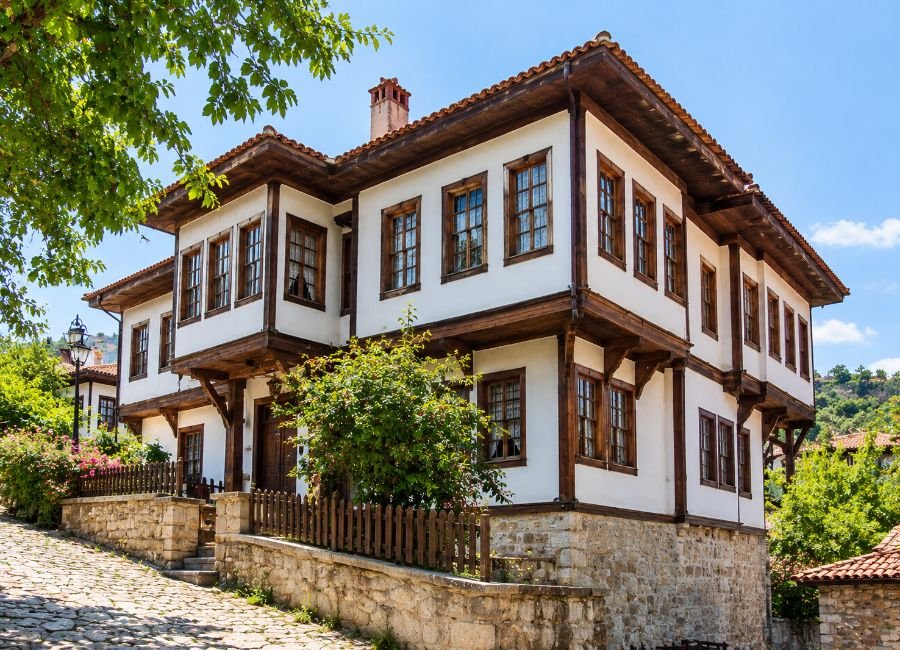
This house shows how an Ottoman family lived in the 18th and 19th centuries. These homes had separate areas for men and women.
Some used rotating wooden cupboards to pass food between rooms. Nobody had to see who was on the other side.
4. Safranbolu City History Museum
The city history museum is in a building that was used as a government house for many years. It also holds the town’s clock tower and an open-air display in its garden.
5. Hıdırlık Hill
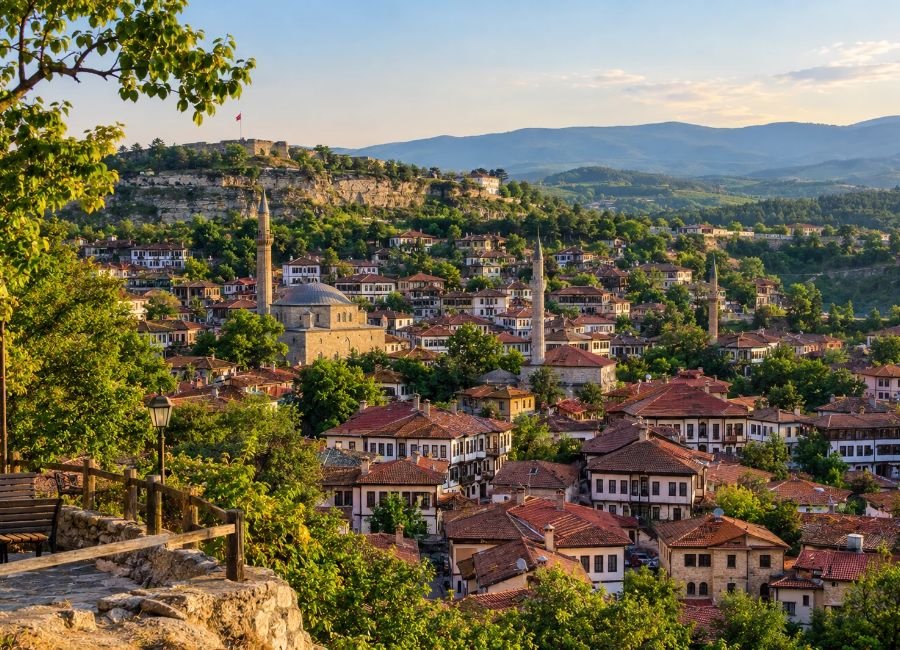
Walk up this hill for a wide view over the red roofs of the old town. A tea garden sits at the top.
Late afternoon is a good time. The light is softer and the air is cooler.
6. Cinci Hamamı
This is a traditional Turkish bath. It was built by Cinci Hoca, the same person behind Cinci Han.
It is a simple way to try a piece of Ottoman daily life.
7. İncekaya Aqueduct and Tokatlı Canyon
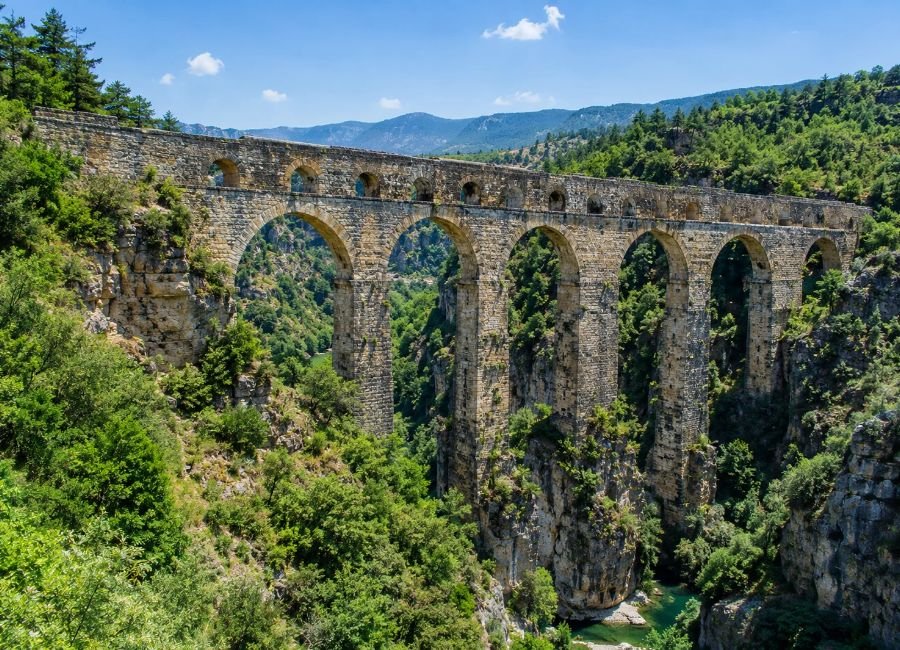
About 7 km north of the town, the İncekaya Aqueduct crosses the Tokatlı Canyon. It is around 116 meters long and has six arches.
It was restored in the 1790s under Grand Vizier İzzet Mehmet Pasha to bring fresh water to the town.
You can walk down into the canyon on a wooden walkway. Local families often picnic here in summer.
There is also a glass terrace about 80 meters above the canyon. You cannot see the aqueduct from the terrace, so plan to visit both.
There is no regular public bus to the aqueduct. Most visitors take a taxi or join a tour.
8. Yörük Village
This small village is about 10 km from Safranbolu. It is known for its old houses and quiet streets.
It is a good place for tea and a gözleme.
9. Bulak Mencilis Cave
This cave system is about 10 km northwest of Safranbolu, in the hills. It is one of the longest caves in Turkey.
A route of about 400 meters is open to visitors. Wear shoes with a good grip, because the path can be wet.
Safranbolu Itinerary: 1 Day and 2 Days
Use this Safranbolu travel guide plan as a base, then adjust it to your own pace.
One Day in Safranbolu
If you only have one day, keep the plan simple.
- Morning: Walk through the old town and have tea at Cinci Han.
- Late morning: Visit the Kaymakamlar House Museum.
- Lunch: Try local dishes in the old town.
- Afternoon: Buy lokum and walk up Hıdırlık Hill.
- Evening: Have coffee in an old-town cafe as the lights come on.
Two Days in Safranbolu
A second day lets you slow down and see the countryside.
- Day 1: Follow the one-day plan above, but add the City History Museum and the Cinci Hamamı.
- Day 2 morning: Visit the İncekaya Aqueduct and Tokatlı Canyon.
- Day 2 afternoon: Have lunch and tea in Yörük Village.
- Optional: Add the Bulak Mencilis Cave if you like caves and have a car or a driver.
What to Eat in Safranbolu
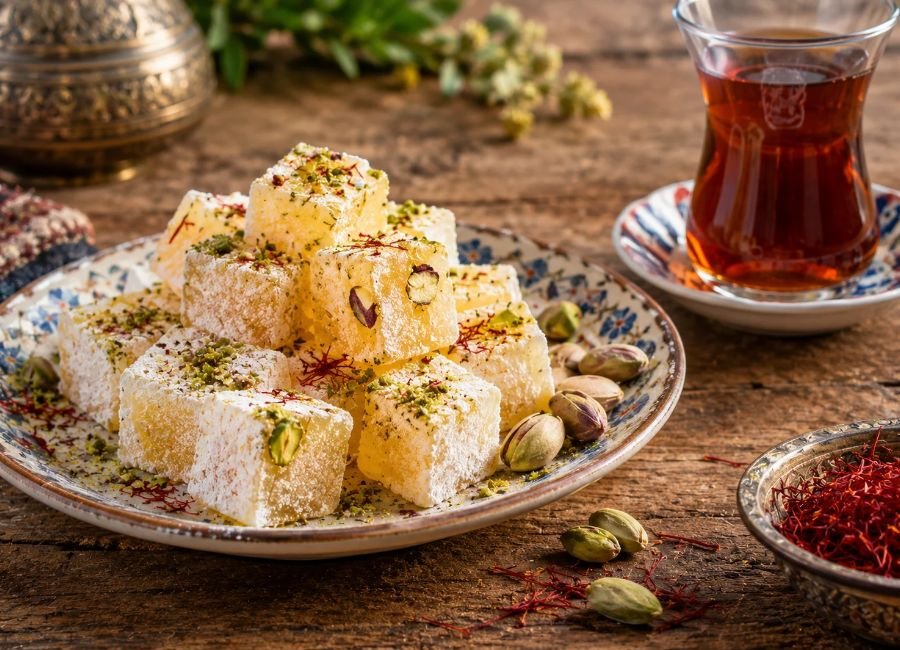
Safranbolu is famous for sweets, and no Safranbolu travel guide is complete without them. Saffron is the star.
- Safranbolu lokum (Turkish delight): Often described as lighter and less sweet than other types. Flavors include saffron, rose, hazelnut and pistachio. Safrantat is a well-known brand that sells saffron lokum.
- Zerde: A cold, yellow rice pudding colored with saffron. It tastes mild and floral.
- Peruhi: A small pasta filled with strained yogurt and mint. It is boiled and served with hot butter.
- Helva: A sweet made from tahini (sesame paste). Each maker does it a little differently.
- Turkish coffee on hot sand: Some cafes in the old town brew coffee this way.
If you enjoy Turkish food, read our guides to famous Turkish dishes,Turkish street food and Turkish tea.
If you want to bring saffron home, buy from a shop you trust. Ask how the saffron is graded and stored.
Where to Stay in Safranbolu
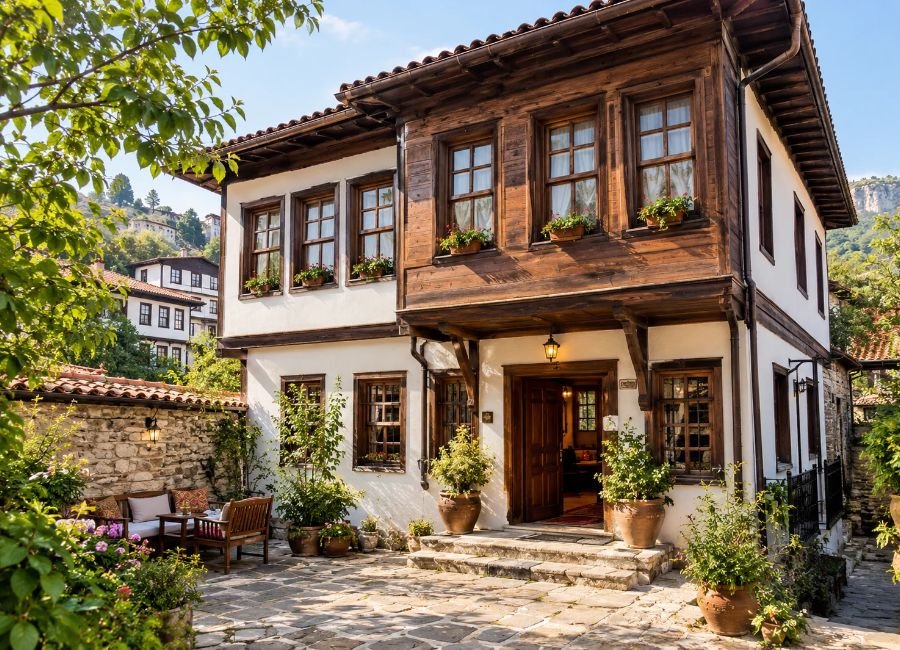
Many visitors stay in an old Ottoman house that has been turned into a small hotel. These rooms often have wooden ceilings and traditional decoration.
- In Çarşı: Best if you want to walk everywhere. Many hotels are close to Cinci Han and the Kaymakamlar Museum.
- In Bağlar: Quieter, but you need a short ride to the old town.
Book early for summer and weekends. The best houses fill up first.
Old houses can have steep stairs and thin walls. Read recent reviews before you book.
Best Time to Visit Safranbolu
For a seasonal Safranbolu travel guide in short: the weather mixes the Black Sea climate with the Central Anatolian climate. Summers are hot, winters are cold, and spring and autumn are mild.
- Spring and autumn: Usually the most comfortable for walking.
- Summer: Warm and busy, especially at weekends. Good for canyon walks.
- Winter: Cold and quiet. A clear winter day can look beautiful.
Weekends are busier than weekdays all year. If you can, visit between Monday and Thursday.
For a wider look at seasons across the country, read our guide to the best time to visit Turkey.
How Much Does a Trip to Safranbolu Cost?
Safranbolu can be affordable. This Safranbolu travel guide uses reported prices, so confirm them on arrival.
Reported entry fees in 2026 (please confirm on arrival):
| Place | Reported price |
| Old town walk | Free |
| Kaymakamlar House Museum | about 120 TRY |
| City History Museum | about 100 TRY |
| Cinci Han roof gallery | about 50 TRY |
| Crystal Terrace | about 90 TRY |
| Hıdırlık Hill | about 30 TRY |
Hotels: Old-house guesthouses vary a lot by season. Some well-rated ones have listed rooms from around $50 per night in the past. Prices go up on weekends and holidays.
Transport: Taxis use meters. Ask the driver for an estimated price before a long trip to the aqueduct, cave or Crystal Terrace.
A Day Trip to Amasra
Amasra is a small Black Sea town about 92 km from Safranbolu by road. By car, it takes around 1 hour 25 minutes.
Some bus trips of about 1.5 hours are listed, and you can also connect through Bartın by minibus. Schedules change, so check before you go.
Amasra has a castle, a harbor and a beach. Some operators also run Safranbolu and Amasra as one day tour. For a two-day route, see the Go Türkiye Safranbolu and Amasra route.
Is Safranbolu Good for Families and Older Travelers?
The old town is built on a slope, and many streets are cobbled. Some are steep. This can be tiring for older travelers and young children, and hard for wheelchair users.
Wear comfortable shoes and rest at tea gardens. Ask your hotel which routes are easiest. Use taxis for farther places like the aqueduct and cave.
If you are planning a trip with children, our Turkey family travel guide has more tips. If you travel alone, see our solo travel guide for Turkey.
Practical Tips for Safranbolu
These are the tips from this Safranbolu travel guide that matter most.
- Wear comfortable shoes. The streets are cobbled and uneven.
- Carry some cash. Small shops and cafes may not take cards.
- Dress modestly when you enter mosques, and take your shoes off at the door.
- Go early on weekends for quieter streets.
- Check hours. Museums and shops can change their opening days.
- Know it can be busy. Some travelers say the old town feels commercial in places. Visiting Bağlar or Yörük Village can feel calmer.
For general safety advice for visitors, read our guide on whether Turkey is safe for tourists.
Common Mistakes to Avoid
A good Safranbolu travel guide should also warn you about the usual mistakes.
- Not checking the bus stop. Some buses end in Karabük, not in Safranbolu.
- Rushing the countryside. The aqueduct and canyon deserve at least half a day.
- Visiting only on a busy weekend. Streets and hotels fill up, and prices rise.
- Buying saffron from the first shop. Compare two or three shops first.
- Wearing smooth shoes. Old cobblestones get slippery when wet.
Conclusion
Safranbolu is small, but it gives you a lot. You get beautiful Ottoman houses, quiet streets, saffron sweets and nature just outside town.
One day is enough for the old town. Two days let you add the aqueduct, the canyon and a slow lunch in Yörük Village.
Use this Safranbolu travel guide as a starting point, and check prices and hours before you go. If you want to see Turkey beyond Istanbul, this is a good place to start.
FAQs
Why is Safranbolu famous?
Safranbolu is famous for its well-kept Ottoman houses, which earned it UNESCO World Heritage status in 1994. It is also known for its saffron-flavored sweets, especially lokum and zerde.
How do I get from Istanbul to Safranbolu?
The easiest way is a direct bus. It takes about 6.5 to 7.5 hours. Driving takes around five to six hours. Ask the bus company whether the bus goes to Safranbolu or ends in Karabük.
How many days do you need in Safranbolu?
One day covers the old town. Two days let you add the İncekaya Aqueduct, Tokatlı Canyon and Yörük Village without rushing.
What is the best time to visit Safranbolu?
Spring and autumn are usually the most comfortable for walking. Summer is warm and busy. Winter is cold and quiet.
Is Safranbolu expensive?
It is usually budget-friendly. Walking the old town is free, and museum fees are small. Hotels in old houses cost more on weekends and in summer.